

- Folkhögskola translate to Swedish Folk High School, a form of adult education (not a high school)
- Open mainly to adults 18+; flexible, supportive, community‑based learning
- Offers General Courses (Allmän kurs) and Special Courses (Särskild kurs)
- General Courses can give university eligibility (behörighet)
- No grades; instead, students receive a qualitative assessment (omdöme)
- Often includes boarding options (internat)
- Run by civil society organisations, not municipalities
- Free of charge; students can apply for CSN financial aid
- Ideal for adults who want a fresh start, career change, or alternative learning environment
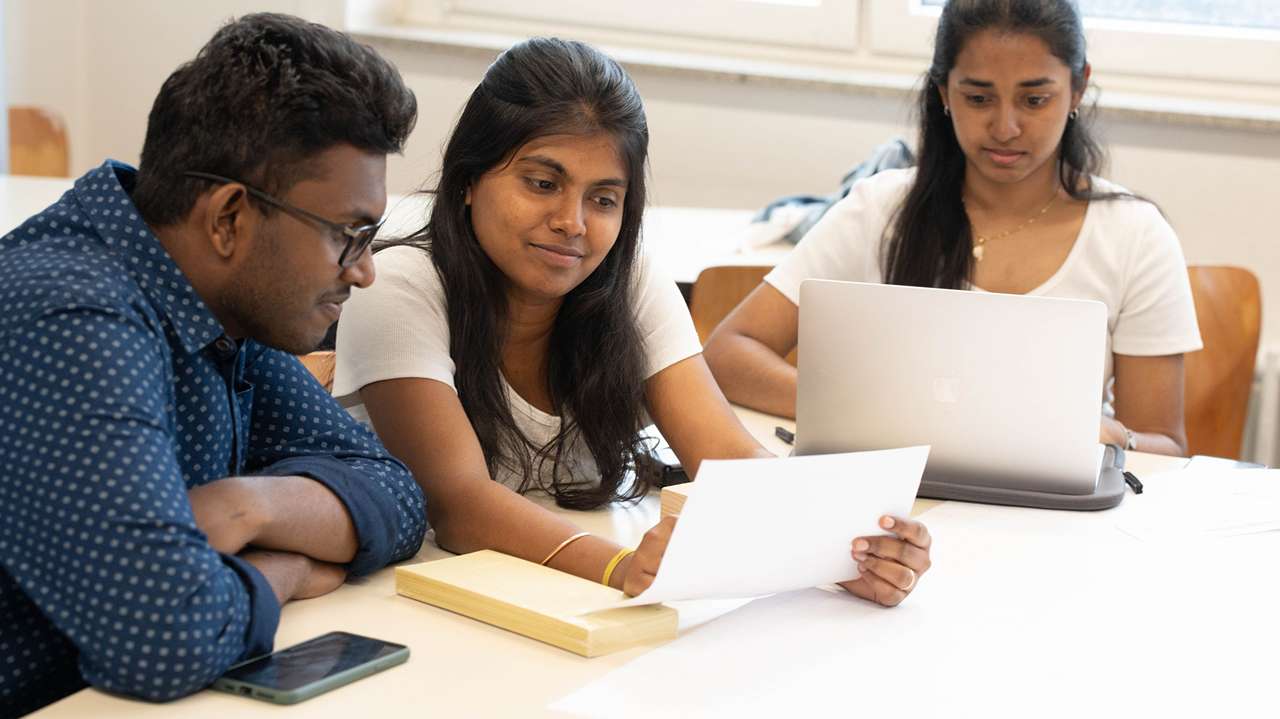
Folkhögskolor are a cornerstone of folkbildning — popular education aimed at strengthening democracy, participation, and lifelong learning. They offer an alternative to traditional schooling, focusing on personal development, community, and accessible education for adults.
Unlike formal education systems, folkhögskolor emphasise dialogue, creativity, and holistic learning rather than grades and exams.
Folkhögskolor occupy a distinctive place in Sweden’s educational landscape. They are not part of the formal school system, yet they are publicly funded and widely recognised as an essential pathway for adult learning, personal development, and democratic participation.
Rooted in the tradition of folkbildning ("popular education"), they aim to make learning accessible, meaningful, and socially grounded. Their purpose extends beyond academic achievement; they are designed to support individuals in shaping their own learning journeys, strengthening their confidence, and participating more fully in society.
A folkhögskola typically welcomes adults from the age of 18, though some schools may accept younger students under specific circumstances. The student body is diverse: people who did not complete gymnasiet, adults seeking a new direction in life, newcomers to Sweden wanting to build language and social skills, individuals with learning differences who thrive in smaller groups, and those pursuing creative or vocational interests.
This diversity contributes to the strong sense of community that characterises most folkhögskolor.
The schools offer 2 main types of courses. General Courses (Allmän kurs) provide an alternative route to completing the equivalent of upper‑secondary education. Instead of traditional grades, students receive a qualitative assessment known as an omdöme, which reflects their participation, progress, and readiness for further studies. When completed, these courses can grant general eligibility for university, making folkhögskola one of the most flexible and supportive pathways into higher education for adults.
Special Courses (Särskild kurs) focus on specific subjects such as art, music, crafts, journalism, social work, outdoor leadership, or sustainability. These programmes are shaped by the school’s profile and the expertise of its teachers. They do not provide formal grades or eligibility, but they offer valuable skills, practical experience, and, in creative fields, portfolio development. Many students choose these courses to explore a passion, prepare for further studies, or transition into a new career.
The learning environment is intentionally different from traditional schooling. Classes are small, teaching is dialogue‑based, and the atmosphere is informal and collaborative.
Many folkhögskolor offer boarding school options ("internat"), which create a strong sense of community and allow students to immerse themselves fully in the experience. The emphasis is on personal growth, social engagement, and learning through participation rather than exams.
Tuition is free, as folkhögskolor are publicly funded. Students may need to pay for materials, meals, and accommodation if they live on campus. Most long courses are eligible for CSN financial aid, making them accessible to a wide range of learners.
Because each school is run by a civil society organisation such as a foundation, union, religious group, or cultural association they have considerable freedom to design their own programmes and pedagogical approaches. This independence is part of what makes folkhögskolor so varied and vibrant.
In essence, folkhögskola offers adults a chance to restart, redirect, or deepen their education in an environment that values the whole person. It is a place where learning is not only about qualifications but also about community, identity, and participation.
☐ Ages: typically 18+
☐ Tuition: free (materials/food/accommodation may cost)
☐ Financial aid: CSN available for most long courses
☐ 2 course types: Allmän kurs & Särskild kurs
☐ Allmän kurs can give university eligibility
☐ No grades — uses qualitative omdöme
☐ Boarding options (internat) available at many schools
☐ Run by civil society organisations, not municipalities
☐ Focus on personal development, democracy, and community
☐ Suitable for adults restarting or redirecting their education
- Folkhögskola is recognised by the state but operates outside the formal school system
- The omdöme is crucial for university applications and replaces traditional grades
- Each school sets its own admission criteria and course structure
- Many schools offer Swedish language support for newcomers
- Some schools specialise in accessibility and neurodiversity‑friendly learning
- Popular courses, especially creative ones, often fill up early
- Compare several schools, each has a unique profile and teaching style
- If you need university eligibility, choose Allmän kurs and confirm the exact requirements
- Ask the school how they evaluate omdöme, it varies slightly between institutions
- If you prefer a calm, supportive environment, look for schools with small groups or special support programmes
- For creative fields, check whether the school offers portfolio development
- Apply early, popular courses fill up quickly
- If you are unsure which course suits you, many schools offer study guidance before applying
↗︎ Official Folk High School information
↗︎ Find courses and schools
↗︎ Sveriges Folkhögskolor (Association of Swedish Folk High Schools)
↗︎ Information about grants and loans available for long courses at folk high schools
↗︎ Information for international students about studying and living in Sweden
↗︎ Swedish Migration Agency
↗︎ Information and research on Sweden’s folkbildning tradition and adult education system
↗︎ CSN - loan and grants for studies
is folkhögskola the same as komvux?
No. Komvux is formal adult education with grades (A–F). Folkhögskola is non‑formal and uses qualitative assessments.
can I get into university through folkhögskola?
Yes. Completing Allmän kurs can give general university eligibility.
do I need to be a swedish citizen?
No. EU/EEA and non‑EU citizens can apply, but CSN rules differ.
is it free?
Tuition is free. You pay for materials, meals, and accommodation if applicable.
do folkhögskolor offer distance learning?
Some do, but many emphasise in‑person community learning.
can I study swedish at folkhögskola?
Yes. Many offer Swedish courses for immigrants, often combined with social integration.
are there exams?
Rarely. Assessment is based on participation, projects, and progress.
what is “omdöme”?
A qualitative assessment describing your performance, used for university applications.