

Sweden’s education system is publicly funded, free at the point of use, and built around equality, independence, and critical thinking. It follows a clear structure from preschool to higher and adult education, with a strong emphasis on lifelong learning and inclusive access for all.
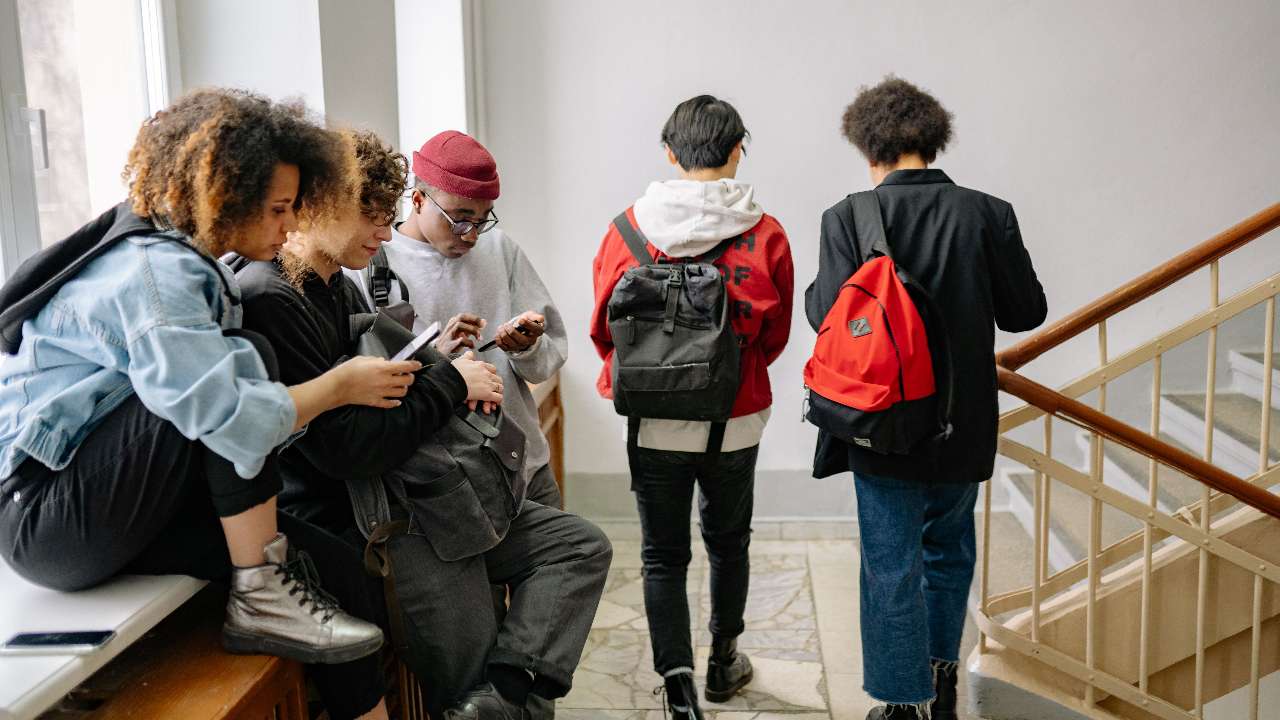
It's generally recognised that Sweden has a high-quality education system that prioritises equal opportunity, student well-being, and independent thinking.
Rather than focusing heavily on standardised instruction, Swedish education encourages creativity, collaboration, and personal development. The system is regulated nationally to ensure consistency, while still allowing schools flexibility in how they teach.
A defining feature of the system is its strong public foundation: most education is state-funded, nationally regulated, and designed to ensure equal access across the country. This creates relatively small differences between schools compared to many other countries.
strong public investment
Sweden invests heavily in education and spends more per student than the OECD average across compulsory, secondary, and tertiary levels.
equality and inclusion
The system is designed to ensure all students have equal access to education regardless of background. Schools focus on fairness, participation, and support for individual learning needs.
national standards and governance
Education is regulated through national legislation (such as the Education Act) and national curricula, ensuring consistent quality across the country.
focus on independent learning
Teaching prioritises critical thinking, problem-solving, collaboration, and creativity rather than rote memorisation.
preschool (förskola)
- Ages: 1–5
- Focus: play-based learning, social development, and early childhood growth
preschool class (förskoleklass)
- Age: 6
- Transition year between preschool and compulsory schooling
compulsory school (grundskola)
- Ages: 6–16
- Duration: 9 years (mandatory)
stages
- Years 1–3: early/primary stage
- Years 4–6: middle stage
- Years 7–9: upper stage
upper secondary school (gymnasieskola)
- Ages: 16–19
- Not compulsory, but most students attend
main pathways
- Academic programmes (university preparation)
- Vocational programmes (career preparation)
higher education
- Universities
- University colleges
- Higher vocational education (yrkeshögskola)
adult & lifelong learning
- Municipal adult education (komvux)
- Folk high schools (folkhögskola)
- Higher vocational education (yrkeshögskola)
Sweden differs from countries like the UK (for example) in how it handles private education:
- Most schools are publicly funded, even if privately operated
- So-called “independent schools” (friskolor) are common, but they are still funded by the state through a voucher system
- They must follow the national curriculum and are largely free to attend
in practice:
- the vast majority of students attend state-funded schools (municipal or independent)
- all schools must meet national standards
- school choice exists, but outcomes are more uniform than in highly privatised system
There is no strong “elite private school system” in the traditional sense. The difference between schools is generally smaller than in many other countries.
- Education is largely free of charge
- Students often receive free school meals and learning materials
- Schools encourage independence and student participation
- Education is designed to support democratic values and active citizenship
- Strong emphasis on preparing students for modern workplaces and lifelong learning
- Education is publicly funded through taxes
- Compulsory schooling lasts 9 years (ages 6–16)
- Most students continue to upper secondary school voluntarily
- Strong national curriculum ensures consistency across schools
- Differences between schools are relatively small compared to many countries
- Lifelong learning is a core national principle
is education free in sweden?
Public schooling is free, including compulsory and upper secondary education. meals and materials are often provided.
are there private schools in sweden?
Yes, but they are usually “independent schools” (friskolor) that are still state-funded and regulated. they are not elite fee-paying institutions in the same way as in some countries.
is school compulsory for all children?
Schooling is compulsory from ages 6–16.
do most students go to university?
Many do, but not all. Vocational pathways are also common after upper secondary school.
how different are schools from each other?
Less different than in many countries. Because funding and curricula are nationally regulated, overall quality is relatively even.
what is unique about swedish education?
Its strong focus on equality, student independence, creativity, and democratic values, combined with a highly standardised national system.