

Investing in Sweden generally means the state takes about 30% of your profits from stocks, funds, and crypto. People who use Swedish brokers like Avanza or Nordnet enjoy the convenience of having most financial activity automatically reported to Skatteverket (the Swedish Tax Agency).
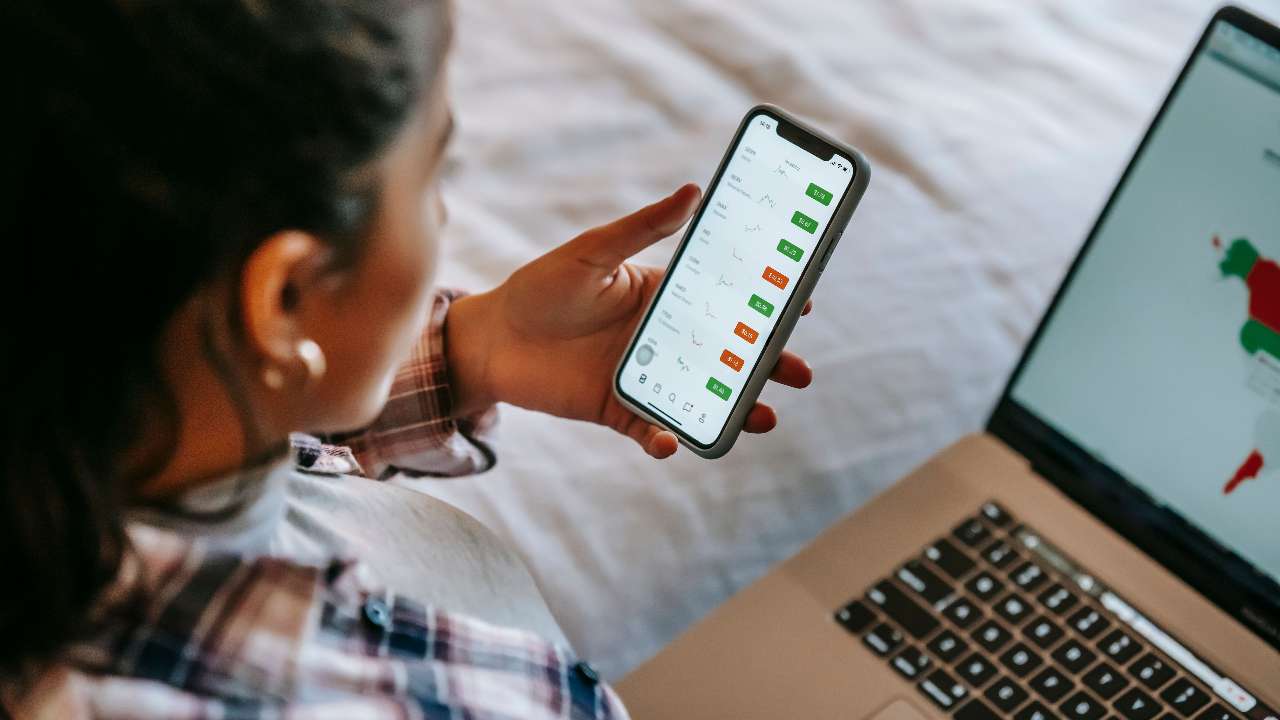
Whether you’re buying stocks, holding funds, or managing crypto, the Swedish tax system keeps track — and you’re expected to report investment activity correctly.
Once you understand the basics, it’s logical, and in some cases, automated.
You’ll usually need to report:
- profits from selling stocks or funds
- dividends
- crypto gains (including trades between coins)
If you made money — it’s probably taxable
If you lost money — report it anyway (it can reduce your tax)
how much tax you pay
For most investments:
- 30% tax on profits (capital gains)
Simple example:
- You buy shares for SEK 10,000
- Sell for SEK 15,000
profit = SEK 5,000
tax = SEK 1,500
If you use apps like Avanza or Nordnet:
- your transactions are reported automatically
- your tax return is usually pre-filled
- you mostly just need to check and confirm
This is by far the simplest setup.
Using global brokers or apps (e.g. Interactive Brokers, eToro, crypto exchanges)?
You usually need to track and verify everything yourself.
Some platforms may send data to Skatteverket, and parts of your tax return may appear pre-filled — but this is not a guarantee of completeness.
cost basis (omkostnadsbelopp)
Even if trades are pre-filled, you must check the acquisition cost (Omkostnadsbelopp).
If it is missing, incorrect, or set to zero, Skatteverket may assume that your profit = the full sales price. This is bad.
It means you could be taxed as if your cost was SEK 0 — which can result in significantly higher tax than expected.
Always verify or manually update this figure.
Crypto is treated like any other asset in Sweden — but the calculation rules are stricter.
You may owe tax when you:
- sell crypto for SEK or other currency
- trade one crypto for another
- use crypto to pay for goods or services
key rule: genomsnittsmetoden (average cost method)
Crypto gains must generally be calculated using genomsnittsmetoden, meaning:
- you calculate an average purchase price for each type of crypto
- every sale or trade is based on that average cost
This applies even to crypto-to-crypto swaps.
If you estimate instead of calculating properly, your declaration may be incorrect.
Many Swedish investors use an ISK (Investeringssparkonto), which changes the entire tax model.
Instead of paying 30% on each profit:
- you pay a small annual tax based on a standardized income calculation (schablonintäkt)
- this is applied to the value of your account, not your gains
2026 update: tax-free allowance
From 1 January 2026, the tax-free allowance for ISK savings increased to SEK 300,000 per person.
- The first SEK 300,000 of your combined ISK and certain other eligible savings (such as certain capital insurance/PEPP savings) is covered by the tax-free basic allowance
- Tax applies to the amount above the allowance
- The allowance is per person, not per ISK account
The ISK tax applies regardless of whether your investments went up or down.
That means:
- it behaves more like a low flat fee on capital
- not a tax on realised profit
For most investors, ISK is still the most efficient option — especially with the tax-free allowance.
This article is for general informational purposes only and does not constitute financial, tax, or legal advice. Tax rules and reporting requirements may change, and individual circumstances vary. You are responsible for ensuring your tax declarations are complete and correct. For advice specific to your situation, consult a qualified tax or financial professional.
- Use Swedish platforms / ISK if you want simplicity
- Keep records if using international apps
- Report everything — even if unsure
- Double-check your pre-filled tax return
↗︎ Skatteverket (the Swedish Tax Agency)
↗︎ ISK - the Swedish investment savings account (PDF)
↗︎ Avanza Bank: Popular ISK service provider, easy to use, and great mobile app
↗︎ Nordnet Bank: Another popular ISK service provider
↗︎ Lysa: Fully automated robo-advisor (for passive investing)
do I pay tax if I don’t sell?
No — tax usually applies when you sell or trade.
what if I sell share but don’t withdraw money from my account, am I taxed?
In short, yes. In Sweden, tax is triggered when you sell or trade, not when you withdraw.
are losses useful?
Yes — they can reduce your total tax.
is an i.s.k. always better?
Often, but depends on your situation and market conditions.