

Sorting out your dietary requirements in Sweden isn’t really a problem for newcomers — but it can feel expensive.
Most people cook at home, shop at supermarkets, and use digital payments for everything. Cash is rare. Prices are clearly displayed, and budgeting becomes part of everyday life pretty quickly.
Whether you’re an EU citizen, non-EU worker, student, or asylum seeker, your access to food is the same in practice — but your budget, income stability, and access to discounts or support may differ.
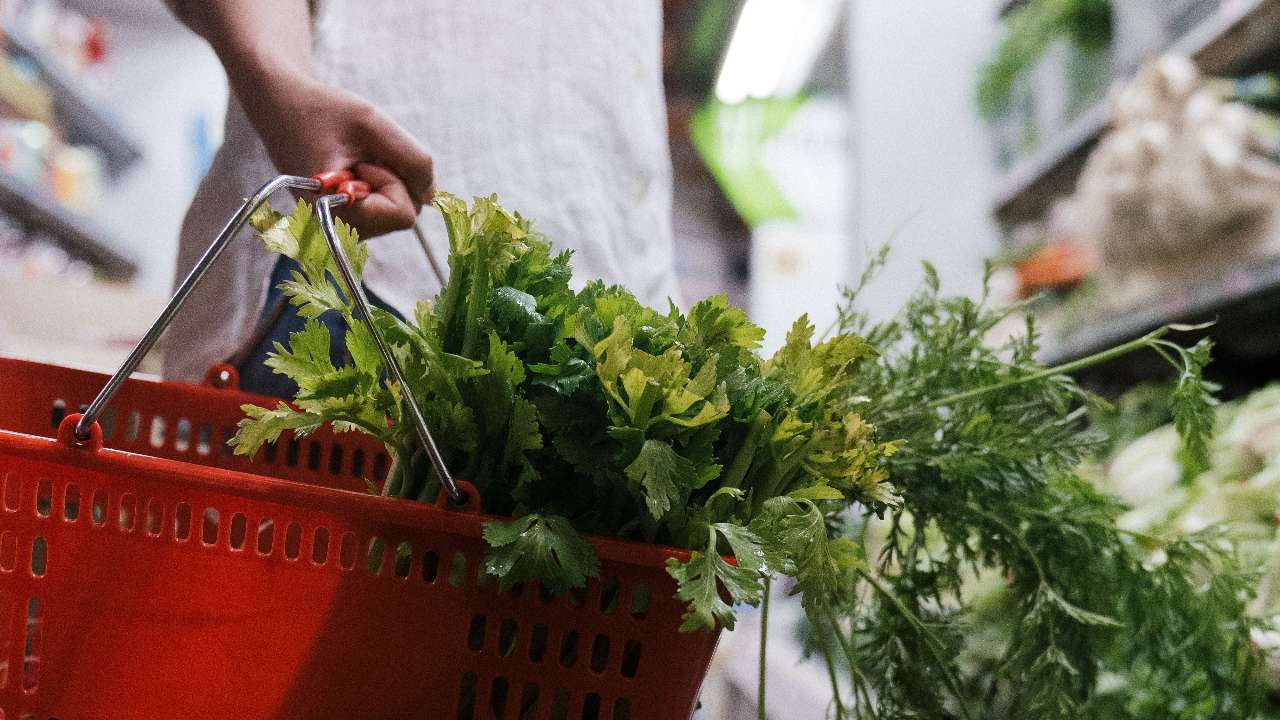
Food here is relatively expensive compared to many countries. Groceries are your main cost driver, eating out adds up quickly, and prices can fluctuate due to global factors like energy costs and supply chains (including indirect effects from geopolitical events such as conflicts impacting fuel and fertiliser markets).
This article looks at the diverse range of options available in the 3 largest cities.
In Sweden’s larger cities, a big part of managing food costs comes down to where and how you shop, not just what you buy. In places like Stockholm, Gothenburg, and Malmö, shoppers tend to rely on a mix of discount supermarkets, bulk buying, and targeted use of local markets to keep spending under control.
discount supermarkets, bulk shopping & loyalty apps
Discount supermarkets and warehouse-style stores are a good bet to save money on food in Sweden. Chains like Lidl, Willys, and ICA Maxi offer lower prices on everyday items, with ICA Maxi acting as a large-format store where bulk and family-size purchases are common. Similar options exist across Gothenburg and Malmö, and many shoppers rely on these for weekly essentials.
To save even more, combine this with loyalty programs and app-based discounts. Major chains like ICA, Coop, and Willys offer free digital memberships with personalised offers, points, and member-only pricing. Over time, these small discounts add up — especially if you shop consistently at the same store.
For bigger bulk shopping trips, many residents also use stores like City Gross and Costco, which can be great for stocking up on pantry staples and household goods. Together, these habits help offset Sweden’s higher food prices and keep everyday grocery costs manageable.
weekly markets
Weekly markets and international grocery stores are a hidden superpower for eating well in Sweden without overspending.
In Stockholm, step into Östermalms Saluhall for a true Swedish food experience. It’s not the cheapest place to shop, but it’s amazing for discovering local ingredients, getting inspired, and learning what people in Sweden actually eat.
For everyday budget shopping, the real magic often happens in smaller neighbourhood markets and international grocery stores — this is where many locals save money every week.
In Malmö, Malmö Saluhall showcases the city’s global food culture with vendors from all over the world. It’s a great place to explore flavours and discover new ingredients.
In Gothenburg, don’t miss Feskekörka, the city’s iconic fish market hall, famous for fresh seafood and speciality foods.
Across all three cities, ethnic grocery stores are gold for saving money. You can often find:
- huge bags of rice and grains for much less
- spices at a fraction of supermarket prices
- fresh herbs and vegetables for everyday cooking
- affordable beans and lentils for easy meals
Once you discover these shops, your weekly grocery routine becomes cheaper, tastier, and much more exciting.
Checkout these popular international grocery stores if you’re nearby:
stockholm
- Matvärlden Veddesta
Huge and famous among internationals. Known for cheap bulk food, spices, halal meat, and fresh produce - Kistagrossen
One of the most well-known budget international supermarkets in Stockholm. Great prices on vegetables, rice, beans and Middle Eastern foods
gothenburg
- Orienthuset in the Gamlestaden neigbourhood (north-east Gothenburg)
For spices, grains, halal meat and international products - Orient King in Västra Frölunda (south-west Gothenburg)
Large and affordable store loved by locals for bulk ingredients and fresh produce - Temple in Majorna (central Gothenburg)
Middle Eastern foods, and very well priced fresh fruit and vegetables: Up to 75% cheaper than supermarkets on bulk buys
malmö
- Asian Trading, near Möllevångenstorget
A Malmö favourite for Asian ingredients and sauces - Kina Center Livs, in Möllevången
Well-known for noodles, rice, spices and frozen Asian foods - Pak Asian Foods in the Persborg / Rosengård area
Great budget shop for bulk rice, lentils, and spices
Both great for further support cost-saving. Major chains like ICA, Coop, and Willys offer digital memberships where users access personalised offers, points, and member-only pricing. Over time, these incremental discounts can make a noticeable difference, especially for regular shoppers who consistently use the same store or chain.
Together, these habits and store choices help offset higher baseline food prices, allowing residents to adapt and keep everyday expenses more manageable.
Eating out is where the cost difference becomes more noticeable. A simple lunch in a café can cost significantly more than cooking at home.
That said, larger metro areas like Stockholm, Gothenburg, and Malmö offer a wide range of international cuisine that reflects their increasingly diverse, international populations. While dining out is often treated as an occasional expense rather than a daily habit, the quality and variety can be a major drawcard. It’s common to find authentic options spanning Middle Eastern, East Asian, South Asian, African, and Latin American cuisines alongside traditional Nordic food.
This diversity means that while restaurant meals are typically priced higher than home cooking, they also offer access to high-quality, globally influenced food that might be harder to find in smaller markets. So eating out becomes less about convenience and more about experience — something reserved for social occasions, weekends, or trying new cuisines — rather than a routine part of the weekly budget.
The eating out landscape looks something like this:
local swedish cuisine
- Traditional restaurants, seasonal menus, and higher-end dining. Dishes rooted in Nordic ingredients and traditions remain an important part of the food culture.
international cuisine is very popular
- Because of immigration, urban diversity, and demand, cities have a high concentration of restaurants serving Middle Eastern, Asian, Mediterranean, and other global cuisines.
everyday eating out (especially lunch)
- Often a mix of both, but international options are frequently chosen for their variety, perceived value, and accessibility.
- Groceries are the primary food expense for most residents
- Eating out is significantly more expensive than cooking at home
- Cash is rarely used — digital payments dominate
- Prices are stable but influenced by global supply chains
- No major differences in food access based on legal status (EU, non-EU, asylum), but income level affects affordability
- Discount stores and weekly deals are widely used to manage costs
- Compare price per kilo/litre rather than package price
- Shop at discount supermarkets for basics
- Plan meals in advance to reduce waste
- Look for weekly promotions (“erbjudanden”)
- Cook in batches to save time and money
- Use lunch boxes (“matlåda”) to reduce daily costs
- Track spending early — food budgets are where most internationals adjust first
- use the hand-held scanner in supermarkets to avoid long checkout queues
↗︎ Consumer rights - Sweden
↗︎ ICA supermarket (a behemoth)
↗︎ Coop supermarket (another behemoth)
↗︎ Willys supermarket (national chain)
↗︎ Student discounts on food (Mecenat / Studentkortet)
⬢ 7‑day nutrition meal plan for new arrivals
⬢ Visit our “getting started” section to help you get started
are groceries expensive in sweden?
They can be, especially compared to some countries. Learning which supermarkets are cheaper makes a big difference.
can I find international ingredients?
Yes. Major cities have excellent international supermarkets and immigrant-run grocery stores.
is swedish food very bland?
It’s usually simple rather than heavily spiced. Swedish food focuses more on comfort, balance, and seasonal ingredients.
do swedes eat out often?
Not as much as in some countries. Many people cook at home regularly, especially during the work week.
is it easy to be vegetarian or vegan?
Very. Sweden is one of the more vegetarian- and vegan-friendly countries in Europe.