

- Sweden’s public transport is reliable, accessible and app-based
- Monthly passes usually save the most money
- Public transport works well alongside walking and biking
- Most cities are designed so you can live comfortably without a car
- Buses, trains and stations are generally stroller- and wheelchair-friendly
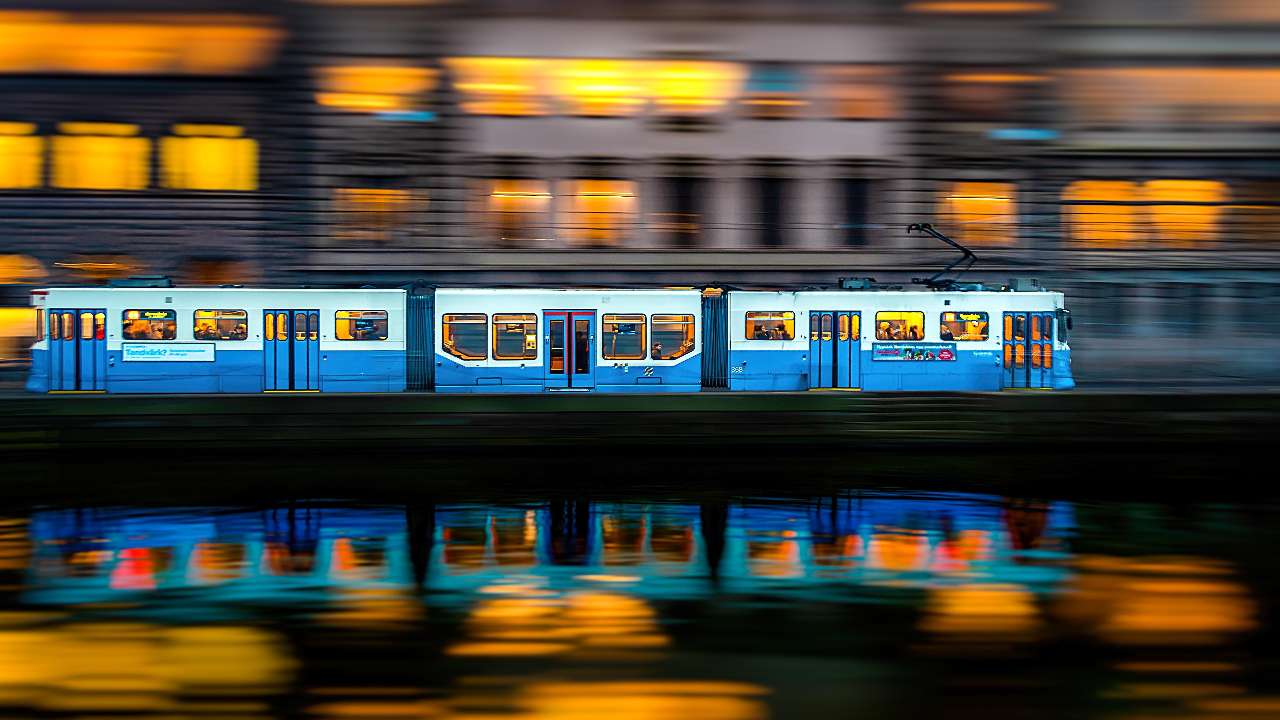
Just arrived and wondering how to get around? Public transport is your key: It is designed so you can live comfortably without a car from day 1 regardless of the personal circumstances — students, families, older adults, disabled travellers — you name it.
It's all based on accessibility and convenience. Low-floor buses, elevators, stroller spaces, audio announcements, digital tickets and integrated travel apps.
Hop on!
Almost all tickets live in your phone, making travel easier whether you are commuting, travelling with children, carrying luggage or using mobility aids.
1
download your app
SL — stockholm
Metro, buses, trams, commuter trains and some ferries in Stockholm.
västtrafik — gothenburg
Trams, buses, trains and archipelago ferries in Gothenburg and along the west coast.
skånetrafiken — malmö
Buses and regional trains in the Malmö/Lund region.
SJ — regional
Long-distance trains between cities.
2
understand how the apps work
- Tickets are usually time-based (around 75–90 minutes)
- Unlimited transfers are included during the valid period
- Monthly passes provide the biggest savings for regular travel
- Contactless bank cards may work but are often more expensive
- Ticket inspections are common and fines are expensive
Public transport in Sweden is designed to work for everyday life. Most buses and trams have low floors for easier boarding, dedicated spaces for wheelchairs and strollers, and priority seating for people who need it.
For many people — especially those living centrally, studying, raising children or avoiding the cost of car ownership — public transport is often easier than driving.
3
learn how to save money
buy passes early
- Monthly passes instead of single tickets can often save 40–60%
- Student and youth discounts can reduce costs significantly
- Travelling outside peak hours can make journeys quieter and more comfortable
- Some regions offer discounted family or group tickets during weekends and holidays
airport travel tip
- Cheaper airport routes usually combine commuter trains and buses
- Airport express trains are fast but expensive
- Travelling together can reduce train costs
Sweden’s transport systems are designed around regular use, so the more consistently you use public transport, the more affordable it becomes.
4
combine transport options
bike + public transport
- Cycling alongside buses and trains is extremely common in Sweden
walk + bus/tram
- Cities are compact, walkable and designed for mixed transport
commuter trains for longer distances
- Commuter trains are often faster and cheaper than driving between suburbs and city centres
car sharing instead of owning a car
- Many people use car-sharing services for occasional trips instead of paying for full-time car ownership
ferries are part of public transport
- One surprise for many newcomers is that ferries are often included in regular public transport tickets
- In Gothenburg, Västtrafik ferries connect the city to the Gothenburg Archipelago, meaning island trips can cost the same as a tram ride
- Always buy tickets before boarding trains or trams (you will face a hefty fine if caught without a ticket)
- Almost all tickets live in your phone
- Ferries are often included in regular public transport tickets
↗︎ SL — Stockholm region
↗︎ Västtrafik — Gothenburg region
↗︎ Skånetrafiken — Malmö region
↗︎ SJ — inter regional
↗︎ Student travel discounts (Mecenat / Studentkortet)
- Commuting daily with single tickets in Stockholm can exceed SEK 1,500–2,000/month, while a monthly pass is around SEK 970
- Travelling from airports using express trains can cost SEK 300+, while commuter train + bus routes can cost under SEK 200
- Combining walking or biking with public transport can reduce the need for extra zone tickets
- Car ownership in Sweden often costs SEK 4,000–7,000/month once fuel, parking, insurance and maintenance are included
For many newcomers, public transport quickly becomes one of the easiest and most affordable parts of daily life in Sweden.
- Living near public transport is a major factor in choosing housing
- Public transport runs reliably year-round, even in winter (with the odd exception of when a big snow storm blows through)
- Car ownership is optional for most city residents
- Tickets are almost always digital and app-based
- Live near a tram or train line to reduce monthly transport costs long-term
- Ask employers about commuter benefits (many subsidise travel)
- Buy monthly passes early each month to avoid buying expensive single tickets
- Use bikes when you can because cycle infrastructure in Sweden is very good, plus it’s good for your health
- Plan regional trips in advance as train prices rise closer to departure
↗︎ SL — Stockholm SL
↗︎ Västtrafik — Gothenburg
↗︎ Skånetrafiken — Malmö
↗︎ SJ — regional SJ
↗︎ Student discounts (Mecenat / Studentkortet)
do I need a car in sweden?
No. in most cities, public transport + biking + walking is enough.
is public transport expensive?
Single tickets can feel pricey, but monthly passes are good value.
are tickets digital?
Yes. most people buy and store tickets in apps.
can I use the same ticket for ferries?
In some regions (like Gothenburg), yes.
do controllers check for tickets?
Yes, frequently enough, and often enough they are plain clothed. Always ensure you have a ticket because the fines are high.