

- Winter tyres required 1 Dec – 31 Mar in winter conditions
- Serious traffic offences can become criminal matters
- Driving legally protects your safety, finances and immigration status
foreign driver's licences
- Non-EU/EEA: valid 1 year after registering as a resident
- EU/EEA: valid long-term
- UK: valid long-term, but must exchange to supervise learners
- Japan & Switzerland: licence exchange possible
If you plan to drive here, understanding the rules is essential. Many newcomers unintentionally break traffic laws simply because Swedish rules differ from their home countries. Mistakes can lead to fines, driver's licence suspension, insurance problems and — in serious cases — immigration consequences.
This article navigates the essential information.
Most internationals can legally drive in Sweden for a limited time of 1 year before needing a Swedish licence.
the 1-year countdown confusion
The 1-year period begins when you register as a resident (folkbokföring) — not when you first enter Sweden.
This is a very common misunderstanding.
This is one of the most important rules for newcomers.
winter tyre law
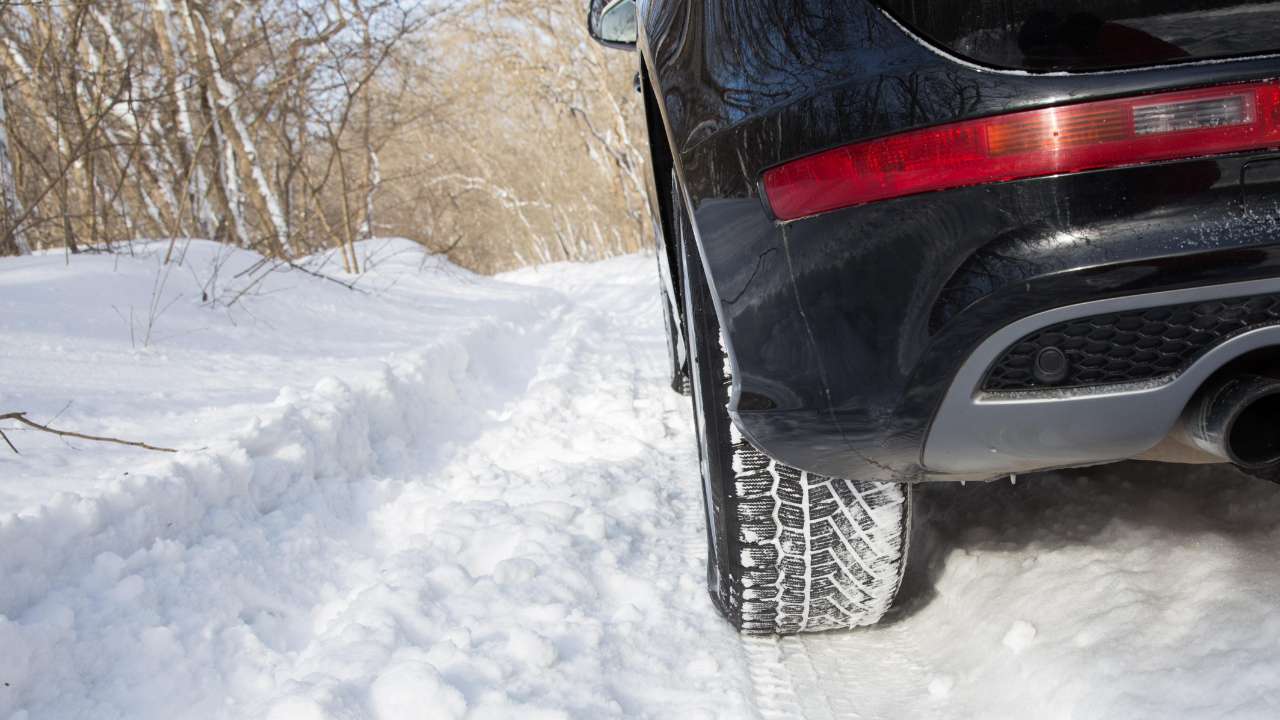
Winter tyres are required 1 December – 31 March whenever winter road conditions exist.
This applies to:
- Swedish vehicles
- rental cars
- foreign-registered vehicles
Winter conditions include snow, ice, slush or frost.
tyre types
- Studded tyres allowed: 1 October – 15 April (outside these dates if winter road conditions exist such as snow, ice, slush, frost)
- Non-studded winter tyres allowed all winter
Driving without winter tyres in winter conditions can lead to:
- fines
- insurance problems after accidents
Always confirm rental cars have winter tyres.
winter driving safety tips
If you’re new to snow driving:
- increase following distance
- brake gently
- avoid sudden steering
- use engine braking on icy roads
- carry an emergency kit (blanket, shovel, reflectors)
headlights are mandatory
Headlights must be on at all times, day and night, all year.
right-hand rule
If there are no signs or signals, vehicles coming from the right have priority.
This surprises many drivers from large cities.
seatbelts
Seatbelts are mandatory for all passengers, including the back seat.
child car seats
Required for children up to 135 cm in height.
speed cameras
Speed cameras are widespread and strictly enforced.
These are the main offenders:
speeding
- fines increase depending on speed and zone
- serious speeding can lead to licence suspension
drink driving
Sweden has very strict limits: 0.2% bac
Penalties may include:
- heavy fines
- licence loss
- prison in serious cases
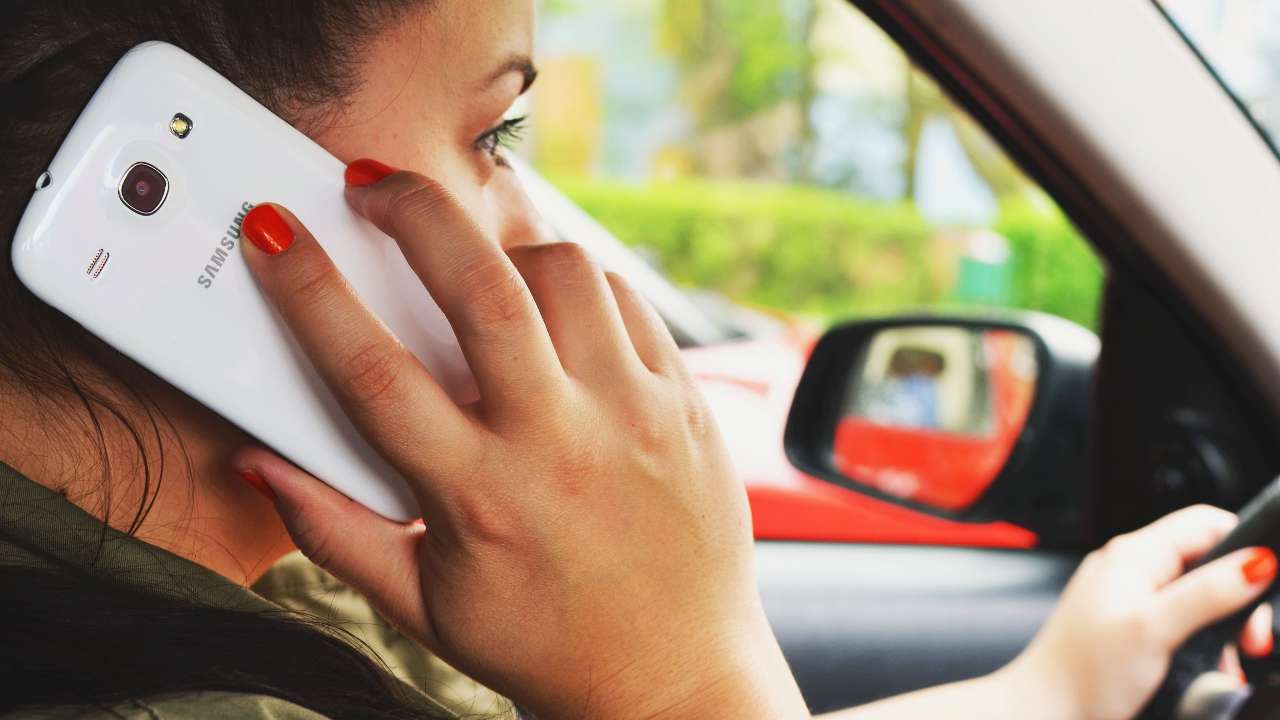
using a phone while driving
Illegal unless using hands-free equipment.
driving without a valid licence
Criminal offence that can affect:
- insurance validity
- residence permits and citizenship applications
insurance and vehicle rules
- All vehicles must be insured
- Driving an uninsured vehicle can result in daily penalty fees and vehicle impoundment
Your driving licence can be suspended or restricted if you break traffic laws or drive unsafely. This is handled by Transportstyrelsen (the Transport Agency) and the Police, and it can range from temporary suspension to long-term bans.
when it can happen
Your licence may be affected for things like:
- repeated speeding
- dangerous or reckless driving
- drink or drug driving
- serious traffic accidents
- driving without a valid licence
Suspensions can last from 1 month to several years, depending on the severity of the offence.
real-world examples
1
parking plus enforcement escalation
A resident under temporary protection parks near a fire hydrant and receives an SEK 800 fine. Ignoring the fine leads to enforcement action and can create problems with future administrative processes, including permit-related checks.
2
uninsured driving (e.u. visitor)
An EU visitor drives a car without valid insurance. Police stop the vehicle, it is impounded, and fines are issued. Traffic insurance is mandatory even for short-term use.
3
expired licence situation (new resident)
A new resident continues driving on a non-EU licence beyond the allowed period. After a routine stop for speeding, the situation escalates to:
- driving without a valid licence (criminal offence)
- possible licence suspension
- insurance invalidation and financial liability
If you are involved in an accident:
- stop immediately
- call 112 if anyone is injured
- exchange details with other drivers
- contact your insurance company
Leaving the scene of an accident is a criminal offence.
Traffic fines are often issued on the spot. Unpaid fines can escalate to:
- debt collection
- enforcement action
- immigration consequences in serious cases
If you face serious charges, options include:
- private traffic lawyer
- public legal aid (depending on income)
- free legal advice sessions via advokatjouren
Interpreters are available during police interactions.
- Traffic offences can impact residence permits or citizenship applications
- Always carry id, driver's licence and insurance documents
- Obey speed limits and parking rules
- Never drive under the influence of alcohol or drugs
- Pay fines promptly
- Update your licence status after becoming a resident
- Insurance may be invalid if your licence isn’t recognised
This guide is for general information only and does not constitute legal advice. Traffic laws, penalties, and licence rules may change or vary depending on your circumstances. Always refer to the relevant Swedish authorities for official guidance.
- Reading up on the local traffic laws at transportstyrelsen.se before you drive, is well worth it
↗︎ The Swedish Transport Agency (Transportstyrelsen) – traffic laws and licenses
↗︎ Swedish Police – traffic offences and guidance
↗︎ Free legal advice sessions (advokatjouren)
↗︎ Seek public legal aid (rättshjälp)
↗︎ Find a private traffic lawyer
can I drive with my foreign driving licence?
Maybe. It depends on which country issued your licence. Some are valid in Sweden, while others must eventually be exchanged or replaced.
do I need to exchange my foreign driving licence?
Possibly. If you're staying in Sweden long term, you may need to exchange your licence or take a Swedish driving test.
what are the speed limits?
Speed limits vary by road, but they're strictly enforced. Common limits are 30 km/h, 50 km/h, 70–90 km/h, and 100–120 km/h.
what are sweden's drink-driving laws?
Sweden has very strict drink-driving laws. Even one drink could put you over the legal limit, so it's safest not to drink before driving.
when do I need winter tyres?
Winter tyres are required during the winter season when road conditions demand them. They're essential for driving safely on snow and ice.
who has the right of way?
Sweden has a few rules that may be new to you, including giving way to pedestrians and the "right-hand rule" at some intersections.
how does parking work?
Always check the parking signs. Many areas require payment through an app, and breaking the rules can lead to a parking ticket.
what happens if I get a traffic fine?
Pay it as soon as possible. Ignoring fines can lead to extra costs, and serious offences may affect your driving licence.
are swedish traffic rules very different?
Most are straightforward, but some may surprise you — like always using headlights, strict mobile phone rules, and Sweden's strong focus on road safety. Reading up on the local traffic laws at transportstyrelsen.se before you drive, is well worth it.