

Crime in Sweden affects everyone, regardless of nationality. the Swedish government investigates offences, imposes penalties, and increasingly ties criminal activity to residence rights.
- Minor crimes: fines or probation
- Serious crimes: imprisonment, community service
- Conviction may affect residence status for EU/EEA, non-EU/EEA, Asylum, and Temporary Protection (TPD) holders
- Victims can report crimes and seek protection
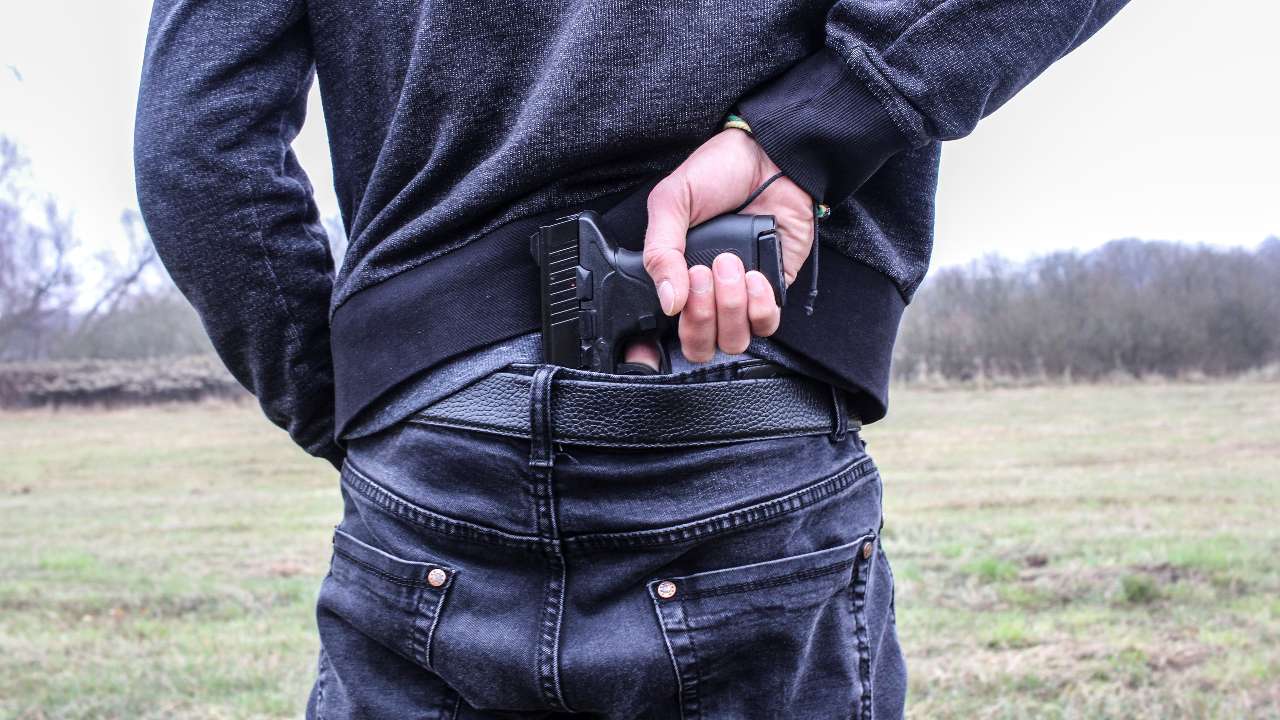
Sweden is generally safe, but crime trends and legal consequences are evolving. understanding your rights and responsibilities protects you and your family. recent years have seen tighter laws linking criminal convictions to migration status, even for relatively minor offences.
Read the following article carefully.
Crime in Sweden covers a broad spectrum:
- Theft and vandalism – shoplifting, bicycle theft, graffiti
- Assault or threats – physical attacks, verbal threats
- Fraud and online crimes – credit card fraud, identity theft, scams
- Traffic-related crimes – speeding, drunk driving, unlicensed driving
- Drug offences – possession, trafficking
According to Brå (Swedish National Council for Crime Prevention):
- c. 1.5 million crimes are reported annually
- Thefts make up 20–25% of all reported crimes
- Violent crime, while lower than many European countries, has seen gang-related spikes
- Cybercrime is the fastest-growing category
number of reported and processed offences:
- c. 1,489,000 reported offences
- c. 1,515,000 processed offences
persons suspected of offences:
- c. 210,000 suspects (up 8% vs 2023)
- 76% men, 24% women
- 41% under age 30; 17% are 15–20 years old
most common crime categories among suspects:
- Crimes against persons (violent/assault): c. 33%
- Drug offences: c. 29%
- Traffic crimes: c. 16%
- Theft: c. 13%
- Fraud: c. 9%
- Criminal damage: c. 4%
long-term homicide trend:
- 2025: 84 homicide cases, lowest since 2012
- Shootings have more than halved since 2022
crime per capita and survey context:
- Homicide: c. 1.3 per 100,000
- Assault: c. 104 per 100,000
- Robbery: c. 13 per 100,000
- Burglary: c. 320 per 100,000
- Vehicle theft: c. 650 per 100,000
- Personal theft: c. 1,100 per 100,000
stockholm
- Reported crimes: c. 360,000 per year
- Theft: c. 90,000
- Assault: c. 18,000
- Gang-related shootings: 12–15 annually
gothenburg
- Reported crimes: c. 240,000
- Theft: c. 60,000
- Assault: c. 15,000
- Gang-related shootings: 10–12 annually
malmö
- Reported crimes: c. 200,000
- Theft: c. 50,000
- Assault: c. 13,000
- Gang-related shootings: 8–10 annually
Regional crime generally mirrors national trends: theft and assault dominate, while gang-related crime is localised in certain neighbourhoods.
If you experience or witness a crime:
- call 112 for emergencies (life-threatening)
- call 114 14 for non-emergencies
- you have the right to an interpreter
- police may take statements, collect evidence, and decide on charges
Victims can request protection and compensation from the state.
Consequences depend on the crime:
- Minor offences = fines, probation, community service
- Serious offences = imprisonment (from months to decades)
- Convictions may affect your residence permit
Sweden links criminal activity to residence rights for non-citizens.
impact of different crime types on residence permits
theft (minor/repeated)
- EU/EEA citizens: warning or probation = usually no permit impact
- Non-EU/EEA: repeated petty theft = risk of permit revocation
- Asylum / TPD: repeated theft = permit denial or refusal to renew
assault / violent crime
- EU/EEA citizens: possible expulsion for serious cases
- Non-EU/EEA: high risk of deportation
- Asylum / TPD: application rejection, revocation, or deportation
drug offences
- EU/EEA: warnings or fines for possession, expulsion for trafficking
- Non-EU/EEA: risk of deportation or permit revocation
- Asylum / TPD: minor possession may affect credibility, trafficking = deportation
fraud / online crime
- EU/EEA: fines, possible criminal record
- Non-EU/EEA: permit revocation likely for serious fraud
- Asylum/TPD: serious fraud = high risk of denial or deportation
traffic violations (serious, repeated)
- EU/EEA: fines or temporary license suspension
- Non-EU/EEA: multiple serious traffic violations = permit scrutiny
- Asylum/TPD: may affect renewal if persistent
- Sweden has lowered tolerance for even petty crime for non-citizens
- Repeated minor offences can jeopardise a right to stay
- Rehabilitation participation can mitigate some negative effects
For asylum seekers and TPD holders, Sweden offers rehabilitation programs, including:
- drug and alcohol treatment
- social integration programs
- restorative justice options for minors
Participation may positively influence permit decisions, showing commitment to lawful living.
- Legal representation: You can request a lawyer at any stage
- Interpreter services: Free in criminal proceedings
- Right to appeal: All decisions can be challenged in court
- Always carry ID
- Save emergency numbers: 112 (life-threatening), 114 14 (non-emergencies)
- Keep records of police reports
- Stay informed about residence permit conditions
Crime, safety, and social data are compiled from publicly available sources and third-party research. Such information may be incomplete, subject to reporting differences, or updated after publication. Individual experiences may vary and statistics should be interpreted within their broader social and regional context.
is sweden safe?
Yes. Sweden is generally considered a safe country, and most people go about their daily lives without experiencing serious crime.
what types of crime are most common?
The most common crimes affecting residents are theft, bicycle theft, pickpocketing, vehicle break-ins, online scams, and fraud.
should i be worried about gang violence?
Most gang-related incidents are targeted and occur between criminal groups. While they receive significant media attention, the vast majority of residents and internationals are never directly affected.
what number do i call in an emergency?
Call 112 if there is an immediate danger to life, health, property, or the environment.
how do i report a non-emergency crime?
Call the police on 114 14, visit a police station, or report certain crimes online through the police website.
are scams common?
Scams are increasingly common, particularly through text messages, phone calls, email, and fake websites. Never share BankID codes, passwords, or banking details with anyone who contacts you unexpectedly.
what should i do if i lose my passport or residence permit card?
Report the loss to the police and contact your embassy or the Swedish Migration Agency (Migrationsverket) if replacement documents are needed.
can i get help in english?
Yes. Police officers and emergency operators can usually assist in English, and interpreter services may be available when needed.
are there any areas i should avoid?
Most areas in Sweden are safe to visit. As in any country, it's sensible to stay aware of your surroundings, especially late at night, and follow any advice from local authorities.