

- Giving birth triggers legal steps around registration, parental rights, custody and benefits
- Children living in Sweden have strong rights regardless of parents’ nationality
- Children do not automatically get Swedish citizenship unless one parent is Swedish
- Planned 2026 rule changes may affect residency and citizenship timelines for families, not children’s day-to-day rights
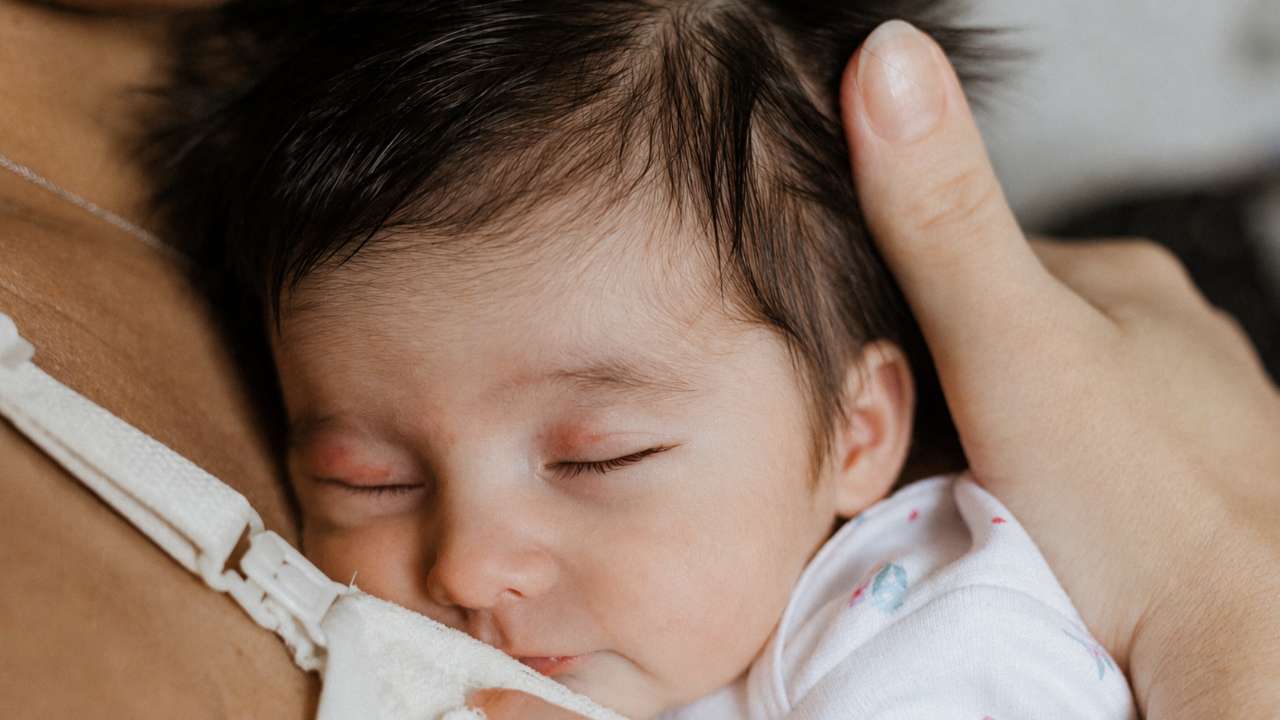
Having a child in Sweden comes with extensive legal protections and social support — but the system assumes paperwork happens early and correctly. For internationals, understanding how birth registration, custody, and parental rights work is essential to avoid future complications with residency, healthcare, travel, and benefits.
Having a baby in Sweden is generally very organised, which also means there is paperwork involved almost immediately after birth — welcome to Scandinavia.
A child born in Sweden must be registered shortly after birth, whether the parents are Swedish citizens, international workers, students or newly arrived families.
The process usually includes:
- birth notification from the hospital or midwife
- registration with Skatteverket
- naming the child within three months
- registering custody arrangements, particularly important for unmarried parents
In most cases, healthcare providers automatically notify Skatteverket after the child is born, meaning parents do not need to run directly from the delivery room to a government office.
Parents must still:
- confirm the child’s name within three months
- register paternity if the parents are not married
- register custody agreements if required
If the child may qualify for another nationality, parents may also need to report the birth to their embassy or consulate — because one bureaucracy is apparently never enough.
Once registered, the child usually receives:
- a personal identity number (personnummer)
- access to healthcare and education
- eligibility for family-related services and benefits
If the child was born outside Sweden, parents must separately apply to register the child in Sweden.
This is the part many international families discover only after several tabs, PDFs and mildly stressful phone calls.
In Sweden, rights connected to childbirth, residency and parental support can vary significantly depending on immigration status.
The rules are often different for:
- EU/EEA citizens
- non-EU work permit holders
- international students
- asylum seekers
- people under the Temporary Protection Directive (TPD)
- permanent residents
- British citizens covered by post-Brexit residence arrangements
Let's take a deeper dive.
e.u./e.e.a. citizens
EU and EEA citizens who legally live and work in Sweden generally have the simplest process.
In many cases, the child automatically receives residence rights connected to the parent’s EU status, meaning a separate residence permit application may not be necessary.
non-e.u. work permit holders
Children born to non-EU work permit holders do not automatically receive Swedish residency or citizenship.
Parents usually need to apply for a residence permit for the child through Migrationsverket after birth, often after first obtaining a passport for the newborn — a process that can involve coordinating multiple authorities before the baby has even learned to hold its own head up.
international students
International students can access maternity healthcare in Sweden, but parental benefit levels may depend heavily on work history and insurance status.
Children born to non-EU student permit holders usually also require a residence permit application.
asylum seekers and t.p.d. holders
Asylum seekers and people living in Sweden under the EU Temporary Protection Directive — including many Ukrainians — normally need to apply separately for residency or protection status for their child after birth.
permanent residents
Permanent residents generally have access to the same healthcare and parental leave systems as Swedish citizens, although citizenship rules for children remain separate.
Custody determines who can make legal decisions for the child, including healthcare, schooling, travel and passport applications.
If the parents are married:
- both parents automatically receive joint custody
If the parents are unmarried:
- the mother automatically receives sole custody at birth
- the second parent must confirm parenthood and sign a joint custody agreement through the municipality’s family law office (familjerätten)
This becomes especially important for international families because custody arrangements can affect:
- international travel with the child
- passport applications
- residence permit applications
- school and healthcare decisions
In other words, this is not the form you want to “sort out later”.
Sweden offers extensive parental support through Försäkringskassan, which is both generous and capable of producing forms with impressive emotional range.
Parents may qualify for:
- 480 days of parental leave per child
- monthly child allowance (barnbidrag)
- temporary parental leave when caring for a sick child (VAB)
Eligibility depends heavily on residence status, employment and social insurance registration.
for e.u./e.e.a. citizens
Eligibility is usually linked to employment and registration in Sweden.
for work permit holders
Parents who work and pay into the Swedish social insurance system can often access income-based parental benefits.
for students
Students may qualify for parental leave payments, but many receive the minimum level if they do not yet have sufficient Swedish income history (SGI).
for asylum seekers and some t.p.d. holders
Access to benefits may be more limited depending on registration and protection status.
All children living in Sweden generally have the right to:
- free schooling
- subsidised healthcare
- free or heavily subsidised dental care in most regions
These protections usually apply regardless of nationality and, in many situations, regardless of the parents’ immigration status.
Swedish law places strong emphasis on the best interests of the child — a phrase you will hear often enough to suspect it may also be printed on official office coffee mugs.
This is one of the most important things for international families to understand.
Being born in Sweden does not, by itself, make a child a Swedish citizen. A child automatically becomes Swedish at birth if at least one parent is a Swedish citizen.
For other families, the child's residence or right of residence depends on the parents' citizenship and immigration status:
- Child is an EU/EEA citizen + 1 parent is an EU/EEA citizen with right of residence: the child automatically has right of residence
- Child is a non-EU/EEA citizen + parents are non-EU/EEA citizens: the child normally needs a residence permit
- Child is a non-EU/EEA citizen + 1 parent is an EU/EEA citizen with right of residence: the child generally needs a residence card
important: If 1 parent is an EU/EEA citizen, the child will most often adopt EU/EEA citizenship, if that country's nationality rules allow it. If that country's nationality rules do not allow it, then the child will adopt non-EU/EEA status (# 3 above).
2026 citizenship changes
Sweden's new citizenship rules took effect on 6 June 2026. For adults, the general residence requirement increased from five to eight years, and new requirements around self-support, Swedish language, Swedish society and good conduct are being introduced.
children have separate rules
Under the current rules, children can generally apply after 3 years of residence if under 15, or 5 years if aged 15 or over, provided the other requirements are met. From 6 June 2026, children must also make their own citizenship application, submitted by a parent or legal guardian.
real-world example
A family living in Sweden on work permits may have a child born in Sweden who has the right to healthcare, childcare and education. However, being born in Sweden does not automatically make the child Swedish unless at least 1 parent is Swedish.
If the child later applies for Swedish citizenship, different rules apply to children than to adults. The general residence requirement is 3 years for children under 15 and 5 years for children aged 15 or over. Children do not need to meet the new self-support requirement.
So yes, your baby might leave the hospital wrapped in a tiny Swedish blanket — but legally speaking, Sweden still wants to see the paperwork.
- Sweden treats married and unmarried parents equally socially, but paperwork differs legally
- Naming deadline: 3 months after birth
- Custody registration is essential for unmarried couples
- Always check embassy requirements for dual registration of birth
- Sweden follows parent-based citizenship: your child usually inherits your nationality
This article is for general informational purposes only and does not constitute legal or financial advice.
↗︎ Migrationsverket – having a baby while living in Sweden
↗︎ Migrationsverket – having a baby while on a work permit
↗︎ Försäkringskassan – parental benefits
↗︎ 1177 Healthcare Guide maternity care, choosing a midwife clinic (barnmorskemottagning), etc
↗︎ Skatteverket – registering a child born in Sweden
↗︎ Nordic Cooperation – parental benefit in Sweden
↗︎ Your Europe – family benefits and parental rights
do I need to register my child if the hospital already reported the birth?
Yes. You must submit the child’s name and complete any custody/paternity paperwork.
does my child automatically get swedish citizenship?
It depends. Sweden follows parent-based citizenship. If at least one parent is a Swedish citizen, the child will usually become a Swedish citizen automatically at birth. If neither parent is Swedish, your child does not automatically receive Swedish citizenship simply because they were born in Sweden.
we’re not married — do we both get custody?
Not automatically. You must sign a joint custody agreement through the municipality.
can we travel abroad with our baby right away?
Only after the child has:
- a registered name
- a passport
- correct custody documentation (very important)
do both parents get parental leave?
Yes. Parental leave is shared between parents and can be split flexibly.
is financial support automatic?
Child allowance is usually automatic once the child is registered as a resident.