

A first-hand commercial lease (lokalhyra) is the most stable way to rent business premises in Sweden. You sign directly with the property owner or real estate company, and contracts are usually long-term with strong legal protections for both parties.
Unlike residential housing, there is no national queue system. Instead, availability depends on location, commercial landlords, and market demand. In major cities, competition for good locations can still be high.
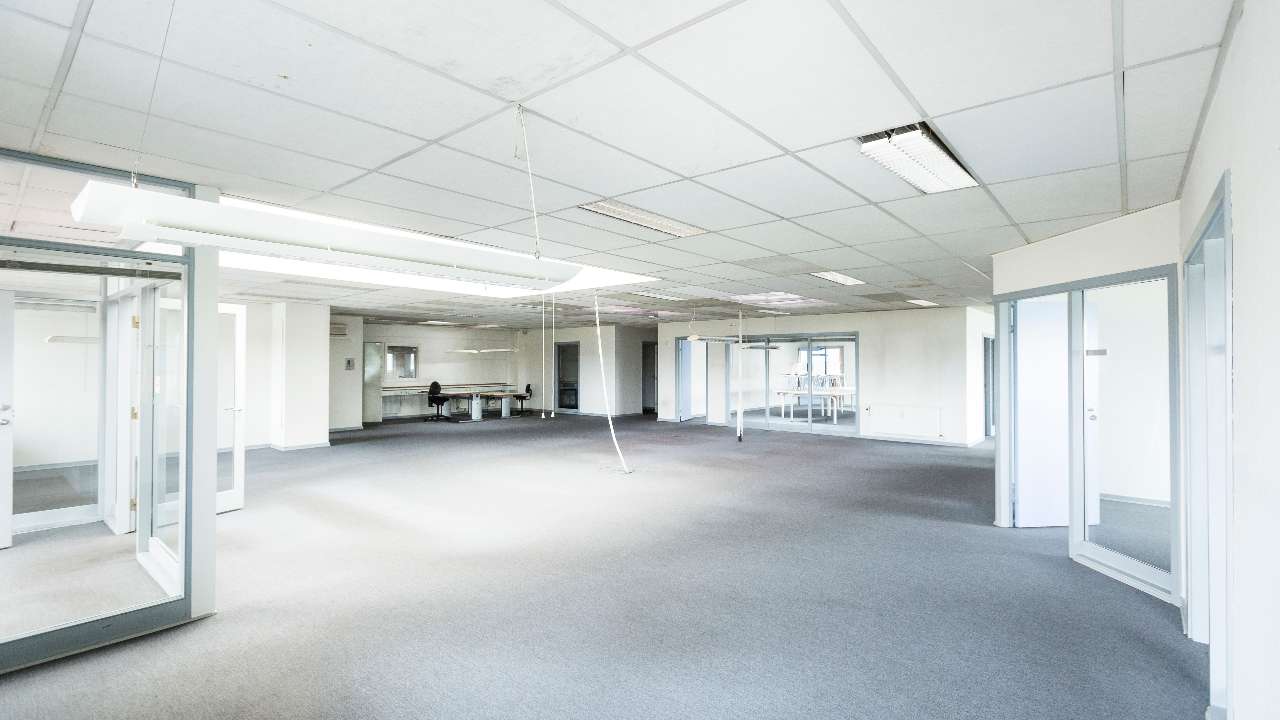
If you’re starting or relocating a business here, one of the first realities you’ll run into is this: commercial space works very differently from housing.
There is no housing queue, no centralised system, and no automatic allocation. Instead, you enter a more traditional rental market where location, business type, and financial stability matter a lot.
A first-hand commercial lease means you rent directly from a property owner or real estate company, usually under a long-term contract designed to support stable business operations.
Let’s break it down.
A first-hand commercial lease means:
- you sign directly with the property owner or real estate company
- the premises are legally classified as “lokal” (commercial premises)
- the lease is governed by Swedish tenancy law (hyreslagen)
- contracts are often long-term (commonly 3–5 years or more)
- rent is negotiated rather than centrally regulated
This system is designed to give businesses stability, while also protecting landlords’ investment in commercial spaces.
Unlike residential renting, there is more flexibility in pricing and contract structure.
There is no queue system for commercial property in Sweden. Instead, businesses typically find premises through:
- commercial real estate platforms
- property companies listing available “lokaler”
- brokers / agents
- direct contact with landlords
- walking the area and spotting “To Let” signs
note: in Swedish commercial property context, “To Let” is usually translated as “Uthyres” (most common) or “Ledig lokal” (literally "available premises")
These companies own large parts of Sweden’s commercial stock, especially in major cities.
major listing platforms
- Lokalguiden
- Objektvision
- Fastighetsvärlden Lokaler
major property owners / landlords
- Castellum
- Vasakronan
- Fabege
- Wallenstam
- Balder
These companies own large parts of Sweden’s commercial stock, especially in major cities.
stockholm, gothenburg and malmö
- High demand for central locations
- Strong competition for retail and office space
- Higher rents, especially in city centres
medium cities
- More availability
- Lower rents
- Easier negotiation with landlords
smaller towns
- Often very flexible landlords
- Lower prices
- But fewer high-traffic locations
In practice, securing commercial space depends heavily on:
- business plan and financial stability
- registered company (AB or equivalent)
- ability to show income or funding
- type of business (some uses are more restricted)
Landlords often want reassurance that:
- rent will be paid consistently
- the business is stable or backed by capital
- the use of the premises fits zoning rules
For new businesses without Swedish trading history, it can sometimes be harder to secure prime locations immediately.
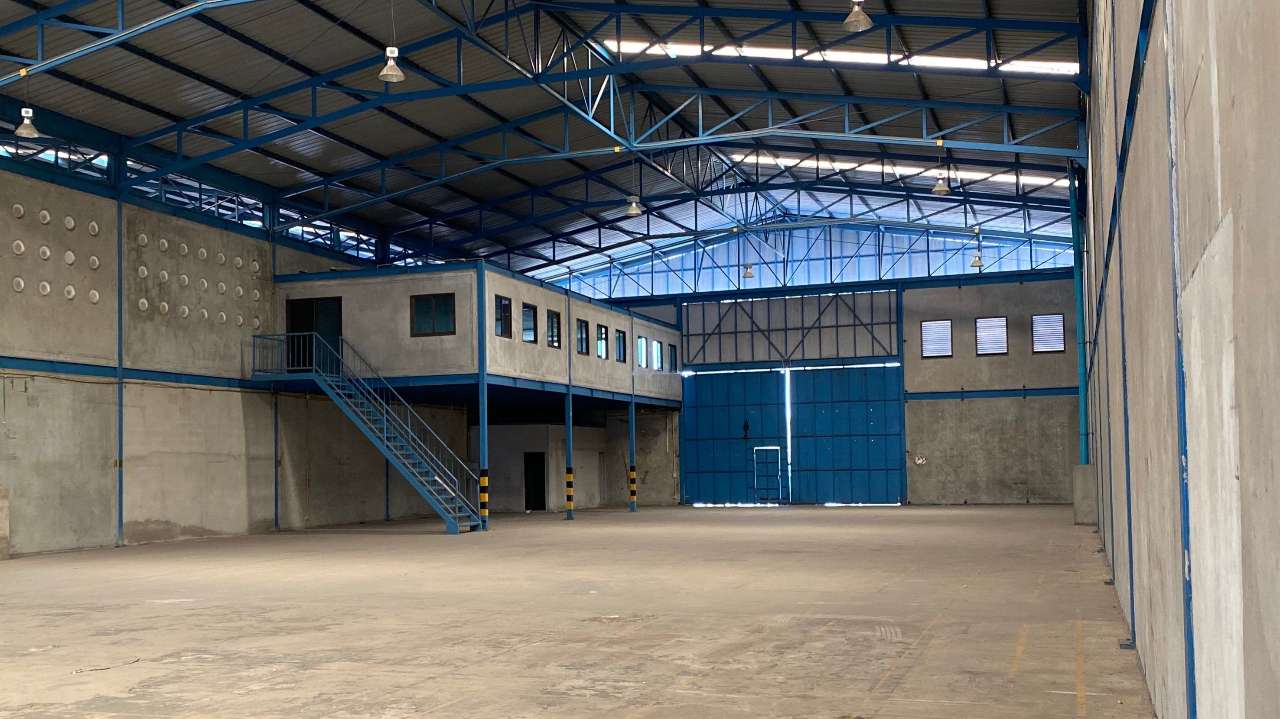
Commercial rent varies widely depending on:
- city
- location (street level vs office park)
- condition of the premises
- lease length
Typical structure:
- Rent is usually quoted per square metre per year
- Additional costs often include heating, maintenance, and property tax (“driftkostnader”)
- VAT (moms) is usually added if the landlord is VAT-registered
Most commercial leases in Sweden include:
- fixed-term contracts (often 3, 5 or 10 years)
- rent adjustments tied to inflation or index (CPI)
- responsibilities split between tenant and landlord
- clearer rules around renovations and fit-outs
Tenants are often expected to adapt the space for their business needs.
Commercial leases in Sweden are protected, but less rigid than residential rentals.
rent is negotiated
There is no national rent control for commercial premises. Pricing is market-based.
long-term security exists
If a tenant stays long enough, they may gain indirect protection or compensation rights if a lease is terminated without proper cause.
use of premises is regulated
You cannot automatically change how a space is used (e.g. shop → restaurant) without approval.
subletting requires permission
Subletting or transferring a lease usually requires landlord approval.
termination rules
Notice periods and exit clauses are clearly defined in the contract, often longer than residential leases.
Even experienced business owners can get caught out when renting commercial space in Sweden. The system is straightforward, but it has its own rules and expectations that aren’t always obvious at first.
1
assuming it works like residential renting
Commercial leases are often confused with housing rentals. In reality, there is no queue system, no rent control, and far more negotiation involved. Many internationals underestimate how much is decided case-by-case with landlords.
2
not preparing financial documentation early
Landlords usually want to see proof that the business can support the rent. This can include:
- company registration (or planned structure)
- financial statements or forecasts
- funding or investor backing
- personal guarantees in early-stage businesses
Arriving without this ready can slow down or block applications.
3
choosing location based only on rent
Cheaper rent often means lower foot traffic or weaker business visibility. In Sweden, location can matter more than price savings, especially in retail and service-based businesses.
4
underestimating fit-out and renovation costs
Many commercial spaces are rented in a basic or “empty shell” condition. Tenants are often responsible for:
- interior build-out
- lighting and fixtures
- kitchen or plumbing installation (if relevant)
- restoration requirements when moving out
These costs can significantly exceed the first year’s rent.
5
not understanding lease length and commitment
Commercial leases are usually long-term (often 3–5+ years). Exiting early can be difficult or expensive, so flexibility is limited compared to residential rentals.
6
assuming all spaces can be used for any business type
A space approved for retail may not automatically be allowed for:
- restaurant use
- salon or clinic
- industrial activity
Always confirm permitted use (verksamhetsbeskrivning) before signing.
7
overlooking v.a.t. and additional costs
Rent is often quoted excluding VAT (moms), and additional costs like heating, maintenance, and property tax may be added separately. The advertised rent is rarely the full monthly cost.
8
not using brokers or local networks
Many of the best commercial spaces are not widely advertised. Relying only on public listings can mean missing better opportunities available through brokers or direct landlord contacts.
renting commercial property
☐ Define your business needs (location, size, type of space)
☐ Search listings on platforms like Lokalguiden and Objektvision
☐ Contact landlords or brokers directly
☐ Prepare financial documentation (company accounts, funding, business plan)
☐ Negotiate lease terms and conditions
☐ Sign the lease and plan fit-out/renovation
- There is no national queue system for commercial property in Sweden
- Prime locations in big cities can still be highly competitive
- Landlords prioritise financial stability and long-term viability
- Most leases are long-term and structured for business continuity
- Be very clear about your business model before applying
- Prepare financial documents early (landlords will ask)
- Consider starting in secondary locations before moving to prime streets
- Use multiple platforms and contact landlords directly
- Factor in renovation costs — many spaces are rented “empty shell”
↗︎ Learn more about local commercial leasing law
major listing platforms
↗︎ Lokalguiden
↗︎ Objektvision
↗︎ Fastighetsvärlden Lokaler
major property owners / landlords
↗︎ Castellum
↗︎ Vasakronan
↗︎ Fabege – Stockholm
↗︎ Wallenstam – Göteborg, Stockholm & Uppsala
↗︎ Balder
can foreigners rent commercial property in sweden?
Yes. There are no nationality restrictions, but financial and business requirements still apply.
do I need a swedish company?
In most cases, yes. Landlords usually prefer a registered Swedish entity (AB or branch).
are commercial rents fixed like housing?
No. They are market-based and negotiated.
can I rent without a swedish business history?
Sometimes, but you’ll likely need stronger financial guarantees.