

Swedish nutrition is a mix of hearty Nordic staples and fresh seasonal produce, with everyday rhythms shaped by fika culture and efficient grocery shopping.
Newcomers often get tripped up by unfamiliar ingredients, grocery prices, and local mealtime norms, but with a few simple habits and staples (plus a 7-day meal plan below), eating well in Sweden is easy, and reasonably affordable.
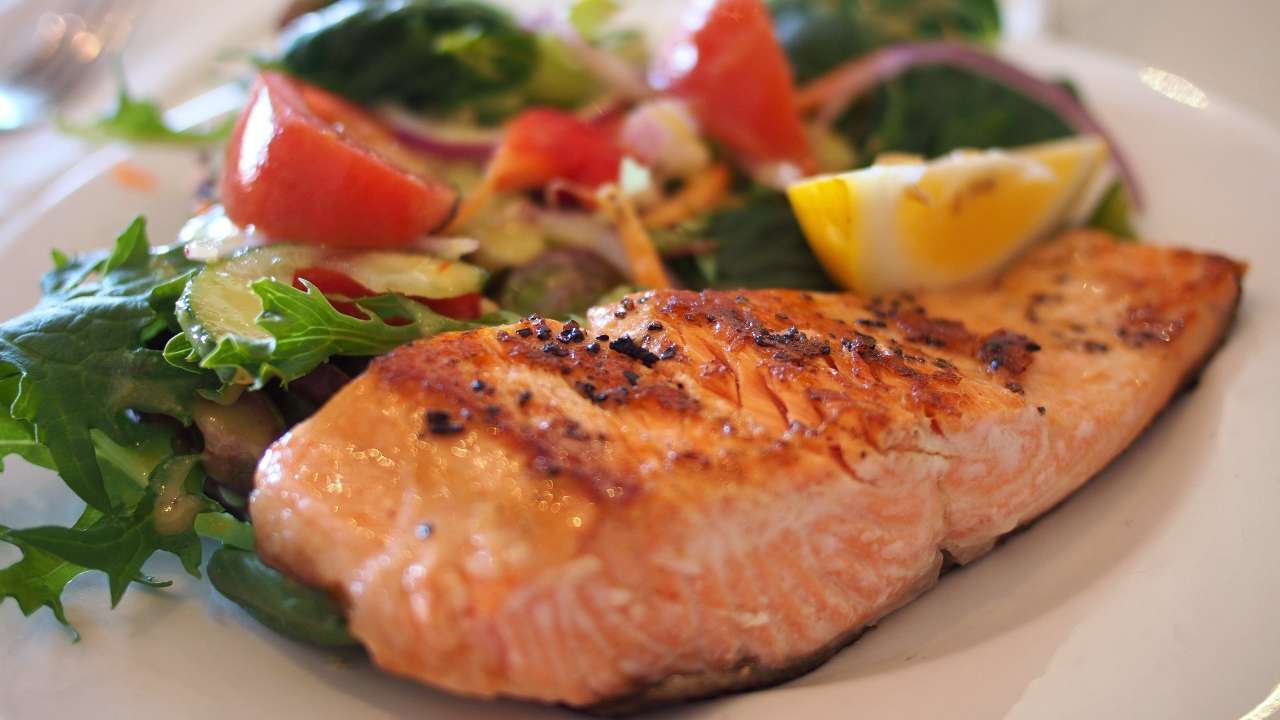
Getting your diet right in Sweden as a cultural quest. Maybe you expected potatoes and meatballs — you’ll get plenty of both — but you’ll also discover fermented milk (filmjölk), and crisp rye bread (knäckebröd) that doesn’t go stale in a week.
There are plenty of other food surprises too — like the bland store tomatoes that leave you longing for sun‑sweet summer fruit.
Sweden’s long winters and short days also mean that common nutrient gaps (like vitamin D) and seasonal eating patterns shape how people eat — and how newcomers should too.
If you want to stay healthy on a Swedish grocery budget, read on.
- Meal rhythm: breakfast (frukost), lunch (dagens lunch), dinner (middag), with two daily fika coffee breaks in between.
- Traditional staples: crispbread, rye breads, fish (salmon, herring), potatoes, dairy products like filmjölk, and berries.
- Fika snacks: cinnamon buns (kanelbullar), cookies, or pastries — often enjoyed twice a day.
Expect a focus on fresh, seasonal produce, often prepared simply rather than with heavy sauces. Root vegetables and berries are seasonal heroes in winter.
common nutrition traps
- Grocery prices can be higher than expected, especially for fresh produce (buying bulk and cooking at home usually saves money)
- Food like bananas or berries can be expensive or seasonally limited
- Mealtime patterns (early dinner, fika breaks) take getting used to
- Winters mean less sunlight = higher risk of vitamin D deficiency
lacking flavour
Many internationals joke that Swedish tomatoes are flavorless — a common expat complaint about local produce. Solution: try farmers’ markets or “ethnic” groceries for riper fruit and vegetables at better prices.
filmjölk confusion
Newcomers often ask: “Is this sour milk or yoghurt?” — and accidentally use filmjölk in recipes where yoghurt was expected. It’s an acquired taste, but many expats grow to love it with cereal.
eat more of:
- fish & omega‑3 sources: salmon, herring (good for heart and brain)
- frozen berries & fruit: retain nutrients and are often cheaper
- vegetables & root veg: cabbage, carrots, beets (fibres & micronutrients)
- high‑fibre breads: knäckebröd boosts satiety and digestion
- vitamin D‑rich foods: oily fish & fortified dairy (due winter lack of sun)
eat more:
☐ fish & omega‑3 sources: salmon, herring (good for heart and brain)
☐ frozen berries & fruit: retain nutrients and are often cheaper
☐ vegetables & root veg: cabbage, carrots, beets (fibres & micronutrients)
☐ high‑fibre breads: knäckebröd boosts satiety and digestion
☐ vitamin D‑rich foods: oily fish & fortified dairy (due winter lack of sun)
To help translate all of the above into reality and to make life easier, we’ve put together a 7‑day beginner Swedish nutrition plan, designed for internationals who are new to Swedish food culture, and local eating rhythms. It’s practical, it’s budget‑friendly, it comes from the heart, and it mixes familiar meals with local staples so you learn the cuisine without overthinking it.
how it works
- 3 meals + optional snack per day
- Uses ingredients found in most Swedish supermarkets
- Flexible substitutions included
- Keeps budget, balance, and local norms in mind
- Portion sizes are general — adjust to appetite
day 1
comfort start
- breakfast: filmjölk (or yogurt) + oats + frozen berries + honey
- lunch: dagens lunch special (affordable cafeteria meal)
- dinner: baked salmon fillet with boiled potatoes + steamed carrots
- fika/snack: coffee + whole‑grain knäckebröd
why it works
Protein from salmon, fibre from oats and veg, berries for antioxidants.
day 2
simple and local
- breakfast: rye bread + cheese + sliced cucumber
- lunch: whole‑grain sandwich (rye/wheat) with turkey + veg
- dinner: tomato & lentil soup + crispbread
- fika/snack: coffee + piece of fruit (apple/pear)
tip: Sliced cucumber with dill brings in local flavour without effort.
day 3
omega‑3 boost
- breakfast: scrambled eggs + whole‑grain toast
- lunch: tuna salad with mixed greens + boiled egg
- dinner: pan‑fried herring (or salmon) with boiled or mashed potatoes + peas
- fika/snack: coffee + handful of nuts
why it works
Omega‑3 from fish + eggs supports brain and heart health.
day 4
vegetarian friendly
- breakfast: chia pudding (chia seeds + milk/plant milk + honey)
- lunch: lentil stew with carrots & spinach
- dinner: baked sweet potato with chickpeas + tzatziki
- fika/snack: fruit + herbal tea
budget tip: dried lentils are cheap and packed with protein and fibre.
day 5
balanced and easy
- breakfast: muesli + milk + banana
- lunch: wrap with hummus + roasted veg
- dinner: meatballs with boiled potatoes + steamed broccoli
- fika/snack: coffee + small cinnamon bun (kanelbulle)
cultural tip: Occasional kanelbulle is a fika treat — no guilt, but keep it occasional.
day 6
flavour day
- breakfast: yogurt + granola + berries
- lunch: salad with smoked salmon, cucumber, radish
- dinner: chicken stir‑fry with mixed veg + rice
- fika/snack: coffee + crispbread + cheese
why it works
Adds colour, proteins, and keeps meals exciting.
day 7
recharge
- breakfast: porridge with cinnamon + chopped nuts + cranberries
- lunch: leftover chicken stir‑fry
- dinner: roasted root vegetables + quinoa or barley
- fika/snack: herbal tea + fruit
do
- pick up frozen berries & veg — cheap, tasty, nutritious
- rotate salmon/herring/tuna for omega‑3
- drink coffee moderately — fika but don’t overdo sugar
- swap plant‑milk if lactose is an issue (laktosfri)
don’t
- rely only on processed snacks — keep whole foods as the base
- skip lunch — Swedish lunch breaks are real meals
- forget vitamin D in winter — consider fortified foods or supplements
- fear unfamiliar foods — filmjölk and rye bread grow on most people
You’ll need:
- salmon/herring/tuna
- eggs
- oats or muesli
- rye bread / knäckebröd
- filmjölk or yogurt
- fresh/frozen berries
- bananas, apples or pears
- veg: carrots, broccoli, peas, spinach
- potatoes & sweet potatoes
- lentils / chickpeas / beans
- roasted veg
- coffee or tea
- nuts & seeds
You can scale quantities based on portion size and number of people.
quick swaps and substitutions
- No fish? Use chicken, turkey, beans, or lentils
- No eggs? Use tofu or chickpeas for breakfast protein
- Don’t like filmjölk? Use yogurt or plant‑based yogurt
- Cheap protein source: Canned tuna, beans, lentils
One of the biggest nutrition “life hacks” in Sweden isn’t in a store at all — it’s in the forest.
Sweden’s right of public access (Allemansrätten) allows everyone to pick wild mushrooms and berries in nature. Every autumn, forests quietly fill with people carrying baskets, thermoses, and a level of focus usually reserved for treasure hunts.
It’s free food, fresh air, and a deeply Swedish way to prepare for winter.
why locals love foraging
- Wild berries and mushrooms are nutrient-dense and free
- It turns a walk into a seasonal ritual
- Many families stock their freezers for the entire winter
- It’s a calming weekend activity and a surprisingly social hobby
If you live in Sweden long enough, someone will eventually invite you mushroom picking. This is not optional. This is your initiation.
chanterelles (kantareller): sweden’s golden obsession
If Sweden had a national mushroom, it would be the chanterelle. Every late summer and autumn, they appear in forests — and suddenly everyone knows a “secret spot.”
Why they matter nutritionally:
- Rich in vitamin D
- Contain B vitamins
- Provide fibre and antioxidants
How Swedes eat them:
- Fried in butter
- Served on toast or crispbread
- Added to creamy pasta or soups
Important rule:
Only pick mushrooms you can confidently identify. When in doubt, don’t pick it. Many locals start by going with experienced friends or using mushroom-identification apps and guides.
berry picking and freezing for winter
Late summer and early autumn turn Swedish forests into a natural fruit aisle.
Common berries you’ll find:
- Blueberries (blåbär)
- Lingonberries (lingon)
- Raspberries (hallon)
- Cloudberries (hjortron, if you’re lucky)
Why Swedes pick so many:
- Berries are expensive in stores
- Wild berries are extremely rich in antioxidants
- Freezing preserves nutrients almost perfectly
Typical Swedish freezer strategy:
- Pick several kilos in late summer/autumn
- Freeze berries in bags or containers
- Use all winter in:
- smoothies
- porridge
- yogurt/filmjölk
- baking
- desserts
This is how many households keep a steady supply of fruit through the dark months without spending a fortune.
why this matters for nutrition
Foraging helps balance the cost of fresh produce in Sweden while boosting nutrient intake naturally. It’s a seasonal habit that supports both health and budget — and makes winter breakfasts much happier.
Plus, there’s something deeply satisfying about eating berries you picked yourself months earlier while it’s snowing outside.
Below are reliable stores that ordered roughly from budget/basic down to specialist/premium.
stockholm
- Kronans Apotek:
Cheap basics: vitamin D, multivitamins, iron, omega-3 - Apoteket C W Scheele:
Large pharmacy with wide supplement range and frequent deals - Golden Athlete butik Sveavägen:
Popular supplement shop for protein, vitamins and sports nutrition - Golden Athlete butik Södermalm:
Another well-known branch with strong range and knowledgeable staff - Super Synbiotics:
More niche/premium probiotics and wellness supplements
gothenburg (göteborg)
- Apoteket Kungsgatan:
Cheap everyday supplements and vitamins - Apotek Hjärtat Nordstan:
Large pharmacy with long opening hours - Hälsa & Fitness:
Good mid-range health store for vitamins and wellness products - Golden Athlete store Vasagatan:
Reliable supplement shop with wide selection - MM Sports:
Best value for sports nutrition and bulk supplements
malmö
- Apoteket Lejonet:
Classic pharmacy for affordable basics - Doz Apotek:
Convenient central pharmacy with everyday vitamins - Fitmatters & Lifestyle:
Highly rated shop for quality supplements and wellness products - Musclezone:
Strong range of sports supplements - Sports 101:
Extremely popular and well-reviewed supplement store
Most newcomers do well by prioritising fish, fibre-rich breads, root vegetables, and fortified dairy or plant milks, while using supplements strategically during the darker months. With a few smart shopping habits, a flexible mindset, and maybe a basket in the forest, eating well in Sweden can be affordable, healthy, and surprisingly enjoyable.
That’s it. Now you know why Swedes look so healthy.
- Swedish grocery culture values freshness and sustainability. Organic labels (ekologisk) are common
- Meal times are part of daily life — lunch breaks are typically an hour and often involve cooked meals, not fast food
- Eating out can be pricey — cooking at home will stretch your budget
This article is for general informational purposes only and does not constitute professional advice. Always consult a qualified professional or relevant authority for advice specific to your situation.
- Embrace frozen veggies & berries — just as nutritious as fresh and cheaper
- Plan meals around seasonality — local produce is better quality and taste
- Learn common Swedish food terms — laktosfri (lactose‑free), glutenfri (gluten‑free), vegansk (vegan)
- Bring your own bag — Swedish stores don’t offer free bags
- Shop meat, fish, and produce sales (“reduced price tags”) — chefs’ secrets for budget meals
- Use lunch deals (dagens lunch) at workplaces or cafeterias — often cheaper than cooking dinner at a restaurant
- Visit farmers’ markets for seasonal produce — gives flavour you don’t always get at big supermarkets
↗ Hälsa & Fitness (Gothenburg) - vitamins, protein, and wellness products
↗ Sports101 Natural Supplements (Malmö)
↗ Apoteket pharamacy (nationwide)
↗ Student discounts (Mecenat / Studentkortet)
is swedish food healthy?
Many traditional foods — like fish, rye bread, and berries — fit well with balanced diets, though pastries at fika can add up.
do swedes take supplements?
Vitamin D and multivitamins are common in winter months.
can I find ethnic foods easily?
Yes — ethnic grocery stores often offer cheaper fruit, veg, rice, and spices.