

If you’ve moved to Sweden, climate, darkness, culture shock, loneliness, and life transitions commonly affect mental health. Recognising symptoms early helps you seek support sooner.
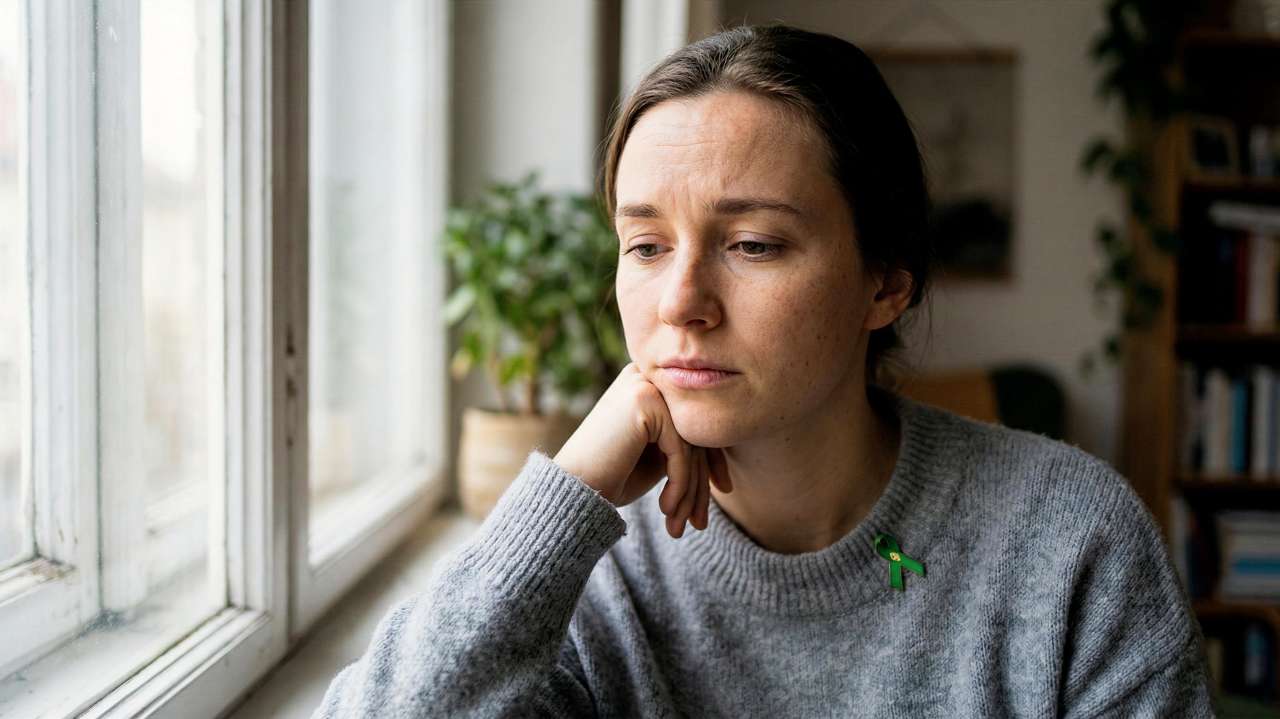
Moving to Sweden with its long winters, social norms, and slower pace of life can affect people in ways they don’t expect. Many newcomers mistake early mental-health symptoms for “just stress” or “just the weather.” This guide helps you recognise what’s normal, what’s not, and when to seek help.
Most importantly: help is available, interpreters can be arranged, and you do not need to navigate the system alone.
Call 112 immediately if you or someone you know is in danger or at risk of suicide.
seasonal and light-related symptoms
Sweden’s winters bring very little daylight, especially in the north.
Common signs:
- Low mood during autumn/winter
- Low energy or fatigue
- Sleeping more than usual
- Sugar/carbohydrate cravings
- Loss of motivation
This may be seasonal affective disorder (SAD) or winter depression.
culture shock and isolation symptoms
Sweden is friendly but socially reserved. Many internationals experience loneliness during their first year(s).
Signs:
- Feeling socially disconnected
- Difficulty making friends
- Feeling “out of place”
- Homesickness or grief for your old life
- Feeling emotionally numb
stress and adjustment overload
Normally, relocation involves lots of paperwork, financial stress, looking for a new job, and language barriers.
Signs:
- Constant worry or anxiety
- Trouble concentrating
- Irritability
- Sleep problems
- Burnout symptoms
trauma and displacement symptoms
Common among refugees or people from conflict areas.
Signs:
- Nightmares or flashbacks
- Hyper-alertness
- Panic attacks
- Emotional numbness
- Avoiding reminders of past events
Call 112 immediately if you or someone you know is in danger or at risk of suicide.
Seek help if symptoms:
- Last more than 2 weeks
- Affect sleep, work, or relationships
- Feel overwhelming or worsening
- Include thoughts of self-harm
Early help = faster recovery.
Call 112 immediately if you or someone you know is in danger or at risk of suicide.
- Mental-health care is part of Swedish healthcare
- You do not need to be in crisis to ask for help
- Interpreters can be arranged at healthcare appointments
- Call 112 immediately if you or someone you know is in danger or at risk of suicide
This article is for general informational purposes only and does not constitute medical, psychological, or therapeutic advice. It is not intended to diagnose, treat, or replace professional care. If you are experiencing mental health difficulties, please seek support from a qualified healthcare professional or local emergency services if needed.
↗︎ 1177 healthcare guidance website
↗︎ Mind – Swedish mental health nonprofit (English available, helpline)
↗︎ Röda Korset – Red Cross support for refugees & asylum seekers
↗︎ Uppsala University – multilingual therapy
↗︎ Bris – support for children & youth in crisis (hotline, multilingual)
↗︎ Sveriges Kommuner och Regioner (SKR) – information on public healthcare access
⬢ How and where to get involved in arts and dance communities throughout Sweden
is it normal to struggle mentally after moving?
Yes. Adjustment stress is extremely common.
is winter depression real?
Yes — it’s very common in Nordic countries.
can I ask for help even if unsure?
Absolutely. Early support is encouraged.
can I ask for an interpreter?
Yes. Interpreters can be arranged. Let your clinic know you need an interpreter when you book your appointment.
is social isolation common for internationals?
Yes. Many internationals say building friendships in Sweden can take time.
People often experience loneliness during the first months or years after moving, especially during winter or periods without structured social activities.
Joining groups and clubs or even volunteering can make a major difference for both social connection and mental wellbeing.
can I get mental-health support in english?
Often, yes.
Many healthcare professionals in Sweden speak English.
If needed, you can also request an interpreter when booking your appointment.