

Sweden makes staying active surprisingly easy: nature is free, gyms are everywhere, and movement is built into daily life. Whether you love lifting weights, hiking forests, dancing salsa, or joining community sports, there are options for every age, budget, and background — including discounts and free activities for asylum seekers and newly arrived residents.
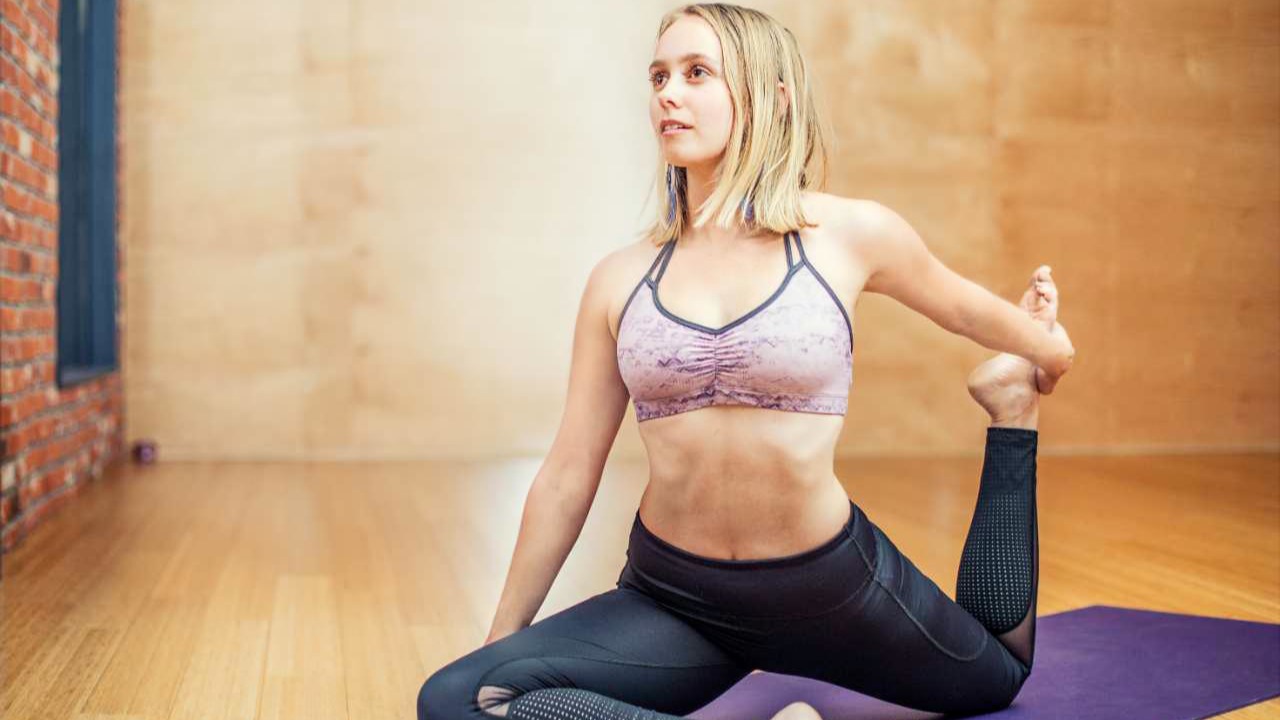
You may arrive here expecting gym culture — and that exists — but you’ll quickly discover something bigger: Swedes treat movement as part of everyday life.
People bike to work in winter. Grandparents power-walk with poles. Toddlers go to outdoor preschool. And when the sun appears, the entire country seems to head outside at once.
This guide helps you understand how fitness works in Sweden, how to get started cheaply, and where newcomers (including asylum or temporary protection residents) can find support and free activities.
In many countries, exercise means going to the gym.
Here, movement is woven into everyday life.
People stay active through:
- walking or cycling instead of driving
- spending time outdoors in nature
- joining sports clubs and community groups
- taking part in seasonal activities
- building simple, sustainable routines
The goal isn't perfection or intense training — it's feeling good, staying healthy and enjoying an active lifestyle.
Typical gyms feature:
- group classes included (yoga, spinning, HIIT)
- sauna access in many locations
- monthly memberships rather than contracts
- strong beginner culture — everyone starts somewhere
Popular gym types:
- Budget 24/7 gyms
- Premium training studios
- Municipal sports centres
- Workplace or university gyms
Many workplaces subsidise gym memberships through a wellness allowance called friskvårdsbidrag.
This is important: Sweden actively supports physical activity as part of integration and public health.
You may be eligible for free or discounted activities through:
municipality programmes
Local municipalities often offer:
- free group workouts in parks
- free swimming hours
- beginner exercise classes
- community sports introductions
Search your municipality website for:
- “friskvård”
- “motion”
- “integration activities”
sports clubs (föreningar)
Swedish sports clubs are huge and often subsidised.
Many clubs offer:
- low membership fees
- free trial sessions
- reduced costs for newcomers, youth, or low-income residents
Common beginner-friendly sports:
- football
- floorball
- volleyball
- running clubs
- martial arts
refugee & newcomer initiatives
Many cities run integration projects offering:
- free gym access periods
- women-only fitness groups
- swimming lessons
- outdoor adventure days
- youth sports programmes
Ask your kommun, SFI school, or integration coordinator for more information — these programmes are often local and change frequently.
Nature is Sweden's biggest gym — and it's completely free.
Thanks to the right of public access (allemansrätten), you can:
- hike through forests
- run scenic trails
- cycle country roads
- ski across snowy landscapes
- swim in lakes and the sea
- camp almost anywhere that respects nature
Many parks also have free outdoor gyms (utegym) with pull-up bars, weights, cardio equipment and bodyweight stations. They're open all year — even in winter.
Swedes don't wait for perfect weather. With the right clothing, it's perfectly normal to exercise outside in every season.
kids and teens
Children in Sweden are very active.
Common activities:
- football clubs
- gymnastics
- dance classes
- swimming lessons
- outdoor play year-round
Sports clubs often prioritise fun and inclusion over competition
adults (20–50)
Typical routines:
- gym + group classes
- running or cycling
- yoga or pilates
- team sports leagues
- cross-country skiing in winter
Work-life balance makes regular exercise easier than in many countries.
seniors (50+)
Sweden has a strong “active ageing” culture.
Common activities:
- walking groups
- Nordic walking (with poles)
- swimming
- gentle gym classes
- dance classes
- outdoor hiking groups
Many senior classes are subsidised or free.
summer
Options include:
- hiking
- kayaking
- swimming in lakes
- cycling
- beach volleyball
- outdoor boot camps
- fun runs and community races
autumn
Try:
- trail running
- mushroom and berry picking (yes — it definitely counts as exercise!)
- forest hikes
- cycling before winter arrives
winter
Think about:
- cross-country skiing
- downhill skiing
- ice skating
- winter running
- indoor climbing
- gym training
- swimming and spa visits
Late winter is also when many people begin training for events like Göteborgsvarvet and Stockholm Marathon.
spring
As the snow melts, Sweden comes alive.
You'll see people returning to:
- running season restarts
- cycling returns
- outdoor gyms fill up again
Getting active doesn't have to be complicated.
A simple approach is to:
- visit your local outdoor gym or park workout area
- ask your municipality or SFI school about free activities
- try a free gym trial
- join a local sports club (förening)
- attend a community run, walk or charity event
- build a simple weekly routine that you enjoy
You don't need expensive equipment — or perfect Swedish. Curiosity is enough.
simple newcomer weekly routine
- 2 gym sessions or home workouts
- 2 long walks or bike rides
- 1 group class or sport
- Weekend outdoor activity
Consistency beats intensity.
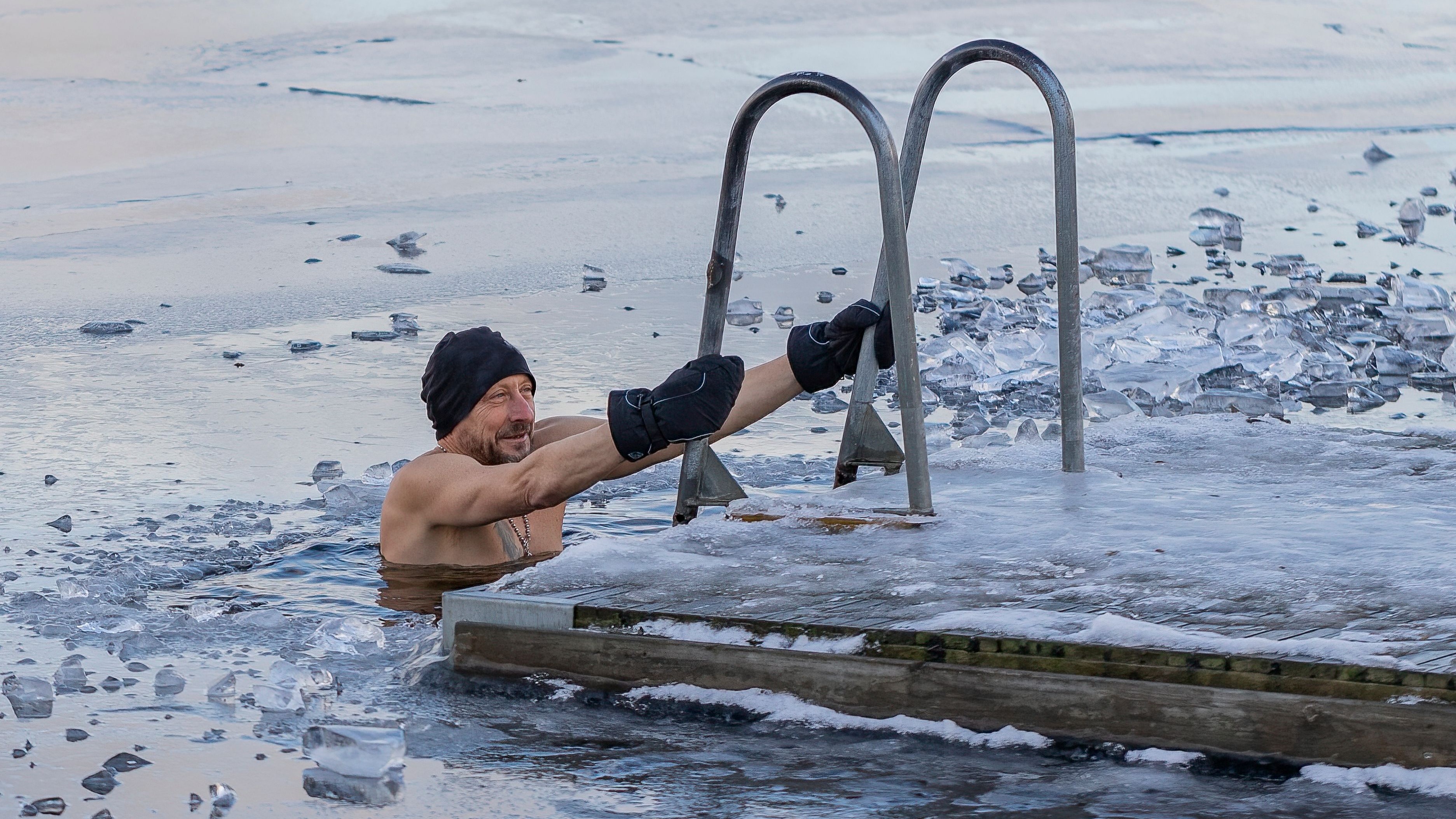
Sweden is surprisingly international when it comes to fitness.
You can find classes like:
- salsa & bachata dancing
- capoeira (Brazilian martial art)
- Bollywood dance fitness
- African dance workouts
- pole dancing studios
- aerial yoga & circus training
- ice swimming clubs
- cold-water dipping communities
Yes — winter swimming is a real hobby here.
Start small and experiment until you find activities you genuinely enjoy.
Your workout might begin with a gym session, then become a weekend forest hike, a swim in a nearby lake, a football club, a salsa class or even training for your first Göteborgsvarvet.
In Sweden, staying active isn't about chasing perfect fitness. It's about building healthy habits, enjoying nature, meeting people and finding activities you'll still enjoy years from now.
- Many workplaces offer friskvårdsbidrag (wellness allowance) that can reimburse gym memberships, fitness classes, massages, and sports activities. Ask your employer
- Outdoor exercise is normal year-round — don’t wait for warm weather
- Gyms typically require ID and a Swedish bank card for memberships, but many offer prepaid or short-term options
- Swimming pools often require showering without swimwear before entering (standard hygiene rule)
- Group classes are beginner-friendly and welcoming to non-Swedish speakers
- Start with free outdoor gyms before committing to a membership
- Try multiple activities — Sweden has a strong “try first, commit later” culture
- Look for free trial weeks at gyms (very common)
- Join a sports club (förening) if you want social fitness and new friends
- The closer you live to your gym or sports club, the more often you will use it
- Ask your municipality or SFI school about free newcomer activities
- Buy winter workout gear early — exercising outdoors in winter is much easier with proper clothing
- Don’t feel pressured to be advanced; consistency matters more than intensity
⬢ Guide to nutrition for newcomers
↗ Student discounts on fitness (Mecenat / Studentkortet)
Search your city or municipality name along with these terms to show free or low-cost activities near you:
- Friskvård – wellness and exercise programmes
- Fritidsaktiviteter – leisure activities
- Föreningar – sports clubs and associations
- Integration activities – newcomer programmes
- Simhall – public swimming pool
- Utegym – outdoor gym
do I need a gym membership to stay active ?
Not at all. Outdoor gyms, walking paths, hiking trails, and sports clubs make it easy to exercise.
are gyms expensive?
Prices vary, but workplace wellness allowances and student discounts can reduce costs significantly.
I don’t speak swedish yet — can I join classes?
Many instructors teach in English, and fitness environments are generally very welcoming to internationals.
are there women-only workout spaces?
Yes — many gyms and municipalities offer women-only sessions, especially for swimming and group fitness.
is it normal to exercise in winter?
Very. Many people actually become more active in winter through skiing, gym training, and indoor sports.