

This is an important article to read early after arriving. Knowing how hospitals work can save time, reduce stress, and help you feel prepared if an emergency happens.
- Hospitals handle emergencies, surgery and specialist care
- You usually need a referral from a clinic first
- Emergency care is always available to everyone
- Costs are protected by the yearly healthcare fee ceiling
- Different legal statuses mean different costs and level of care
- Ambulances, interpreters and emergency care are available nationwide
- Call 112 in case of life-threatening emergencies
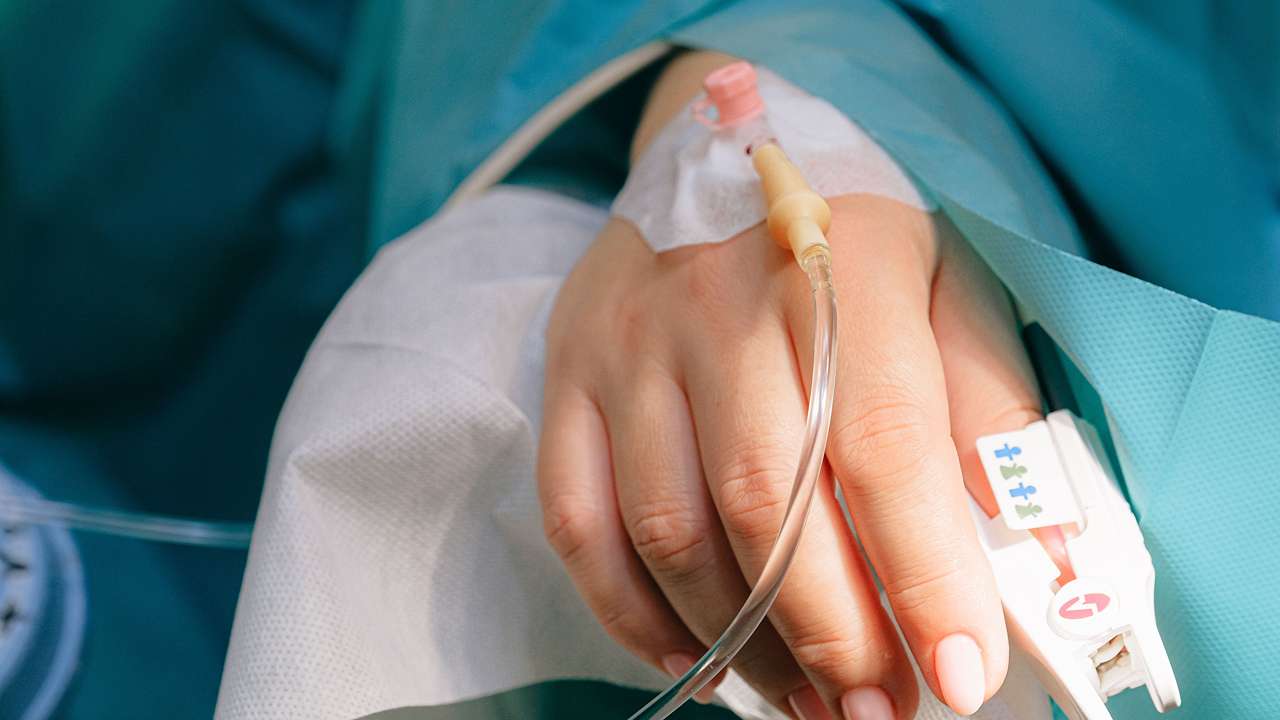
Hospitals provide care for emergencies, surgery, specialist treatment, and serious mental-health conditions. Understanding costs, and what happens before, during and after a hospital visit will help you feel calmer and more prepared.
In most situations, you are expected to visit a local clinic first and receive a referral before going to a hospital, unless it is an emergency.
Go to the emergency department if you have:
- chest pain
- serious injuries
- difficulty breathing
- severe mental-health crisis
- suspected stroke
- heavy bleeding or broken bones
Emergency number: 112
You can call for yourself or for someone else.
Ambulances in Sweden are advanced mobile medical units staffed by trained nurses and paramedics.
An ambulance will:
- Assess the patient on site
- Start treatment immediately
- Decide the correct hospital
- Contact the emergency department before arrival
Ambulance transport is not free, but is covered by the healthcare fee ceiling (see below for more information on Sweden’s healthcare fee ceiling).
Typical cost for residents per ambulance ride: SEK 300–400
Never avoid calling an ambulance because of cost if someone is seriously ill.
When you arrive, you first go through triage.
A nurse will:
- ask about symptoms
- measure vital signs
- decide how urgent your case is
This means patients are treated based on medical urgency, not arrival time.
More serious cases are always treated first.
Waiting times vary depending on urgency and hospital pressure.
typical waiting times
- Life-threatening conditions: Immediate care
- Serious but stable: 1–3 hours
- Non-urgent problems: 3–8+ hours
This can feel long, but it is normal and part of the triage system.
If your condition worsens while waiting, tell staff immediately.
During your visit you may receive:
- Blood tests
- X-rays or scans
- Medication
- Specialist consultation
- Admission to hospital if needed
Interpreters are available at no cost.
After your visit you may:
- Go home with instructions and medication
- Receive a referral to a specialist
- Be admitted for observation or surgery
Follow-up communication usually happens via:
- 1177 Vårdguiden digital messages
- letters sent by post
- phone calls from clinics
Invoices are usually sent by mail or digital post after your visit.
You do not pay at the hospital desk.
note: 1177 Vårdguiden is Sweden’s official healthcare advice service. You can call 1177 or visit their website to get 24/7 medical advice, find clinics and hospitals, read reliable health information, and access your digital healthcare messages and appointments.
Emergency visit: SEK 300–400
Hospital admission cost: about SEK 100 per day
Children under 20 (residents): no cost
Any costs count toward the yearly healthcare fee ceiling.
healthcare fee ceiling reminder
Maximum cost per year: SEK 1,450
After reaching the ceiling, all further hospital and doctor visits cost SEK 0 that year.
real-world example:
You use healthcare many times in 1 year:
- 3 doctor visits: SEK 750
- 2 emergency visits: SEK 700
- 3 specialist visits: SEK 1,500
- 1 physiotherapy course: SEK 1,000
Total real cost: SEK 3,950
You only pay SEK 1,450. The remaining SEK 2,500 is covered by the state.
All further visits that year cost SEK 0.
Emergency care: about SEK 50
Hospital stay: very low daily fee
Children under 18: hospital care at no cost (residents are covered until 20, but asylum/TPD follows a different law)
Emergency care is never refused.
You can still get hospital care, but you pay the full cost unless covered by private insurance.
Who this includes:
- Short-term workers
- Visitors
- Students staying under 12 months
You should:
- obtain private health insurance
- use travel insurance when possible
This changes things a bit:
- You can get urgent or necessary care in public hospitals
- You pay the resident co-pay (usually 100–300 SEK per visit, much lower than full cost)
- The hospital can claim the rest from your EU/EEA country via the EHIC system
You are entitled to:
- Emergency care: you may be asked to pay the full cost, as there is no subsidy for regular care (hospitals often offer reduced rates or payment plans)
- Maternity care & abortion: often subsidised, some hospitals provide care at no cost, but it can vary regionally
Children under 18 receive healthcare at the same cost as residents.
You usually need a referral to see specialists such as:
- cardiologists
- dermatologists
- psychiatrists
- surgeons
Typical specialist visit: SEK 300–400 until the SEK 1,450 fee ceiling is reached.
Most hospitals have:
- cafés and restaurants
- small grocery shops
- vending machines
- family waiting areas
Patients staying overnight receive meals.
Visitors can usually buy food on site.
stockholm region
karolinska hospital
Sweden’s most famous hospital and one of Europe’s leading academic medical centers. Closely linked to Karolinska Institutet and advanced research/complex care.
main sites
karolinska solna
Located at: Eugeniavägen 3, 171 64 Solna
karolinska huddinge
Located at: Hälsovägen 13, 141 57 Huddinge
danderyds sjukhus
Located at: Mörbygårdsvägen 5, 182 88 Danderyd
södersjukhuset
Located at: Sjukhusbacken 10, 118 83 Stockholm
gothenburg region
sahlgrenska
The largest hospital in Scandinavia. Main teaching hospital for the University of Gothenburg. Multiple campuses.
sahlgrenska (main)
Located at: Blå stråket 5, 413 45 Göteborg
östra
Located at: Diagnosvägen 11, 416 50 Göteborg
mölndal
Located at: Göteborgsvägen 31, 431 80 Mölndal
malmö / skåne region
skåne university hospital
Covers both Malmö and Lund; the main university hospital for southern Sweden.
malmö
Skånes universitetssjukhus Malmö
Located at: Carl-Bertil Laurells gata 9, 205 02 Malmö
lund
Skånes universitetssjukhus Lund
Located at: Getingevägen 4, 221 85 Lund
- If you don’t have a personal ID (personnummer) you have to cover full hospital costs, in which case:
- private health insurance is strongly advised
- use travel insurance for emergencies; check if it covers primary care or dental visits
- keep all receipts — some insurers will reimburse international treatment costs
- Emergency care is always available to everyone
- Costs are protected by the yearly Swedish healthcare fee ceiling for residents (personnummer)
- Call 112 in case of life-threatening emergencies
This article is for general informational purposes only and does not constitute medical advice. If you are experiencing mental health difficulties, please seek support from a qualified healthcare professional or local emergency services if needed.
- Call 1177 before going to emergency if unsure
- Bring ID and a medication list
- Bring phone charger and snacks for long waits
↗︎ 1177 Healthcare guide
↗︎ Emergency information (in English)
↗︎ Understanding Swedish healthcare and regional systems
can I go directly to a hospital?
Yes, but only in life-threatening emergencies.
For routine or non-urgent care, contact your local health centre (vårdcentral) or call 1177 first. For severe, acute illness or injuries, always call 112 for an ambulance or visit a hospital emergency department (akutmottagning).
will I be refused care if I cannot pay?
No. Emergency care is always provided regardless of your background or immediate ability to pay. However, uninsured or unregistered visitors may receive an invoice later for non-emergency treatments.
is mental-health emergency care available?
Yes. Emergency psychiatric clinics (psykiatrisk akutmottagning) operate in all regions. Call 112 for urgent crises, or contact 1177 and your local vårdcentral for non-emergency mental health support.
can I choose which hospital or clinic I go to?
Yes. Under Sweden’s patient choice rules, you can freely choose any vårdcentral. For specialised hospital care, a doctor's referral is required.
what should I bring when visiting a doctor or hospital?
Valid ID and proof of coverage. Bring your passport or national ID card, along with your Swedish personnummer, EHIC card, private insurance details, or LMA card (if an asylum seeker).
can I get care in my mother tongue?
Yes, through medical staff or professional interpreters.
While most doctors and nurses in Sweden speak fluent English — particularly in major cities — you also have the legal right to request a professional interpreter (tolk) for medical consultations, which is provided free of charge by the clinic
what happens if I fall ill outside of regular clinic hours?
Use urgent care clinics or call 1177. When regular vårdcentraler are closed, contact 1177 to find the nearest open evening/weekend clinic (jourcentral or närakut).