

- Emergency care including mental-health crisis support is available to everyone, regardless of legal status
- Costs for emergency care vary depending on legal status
- Emergency visits count toward the healthcare fee ceiling
- Children: emergency care is free
- Interpreters are provided at no cost
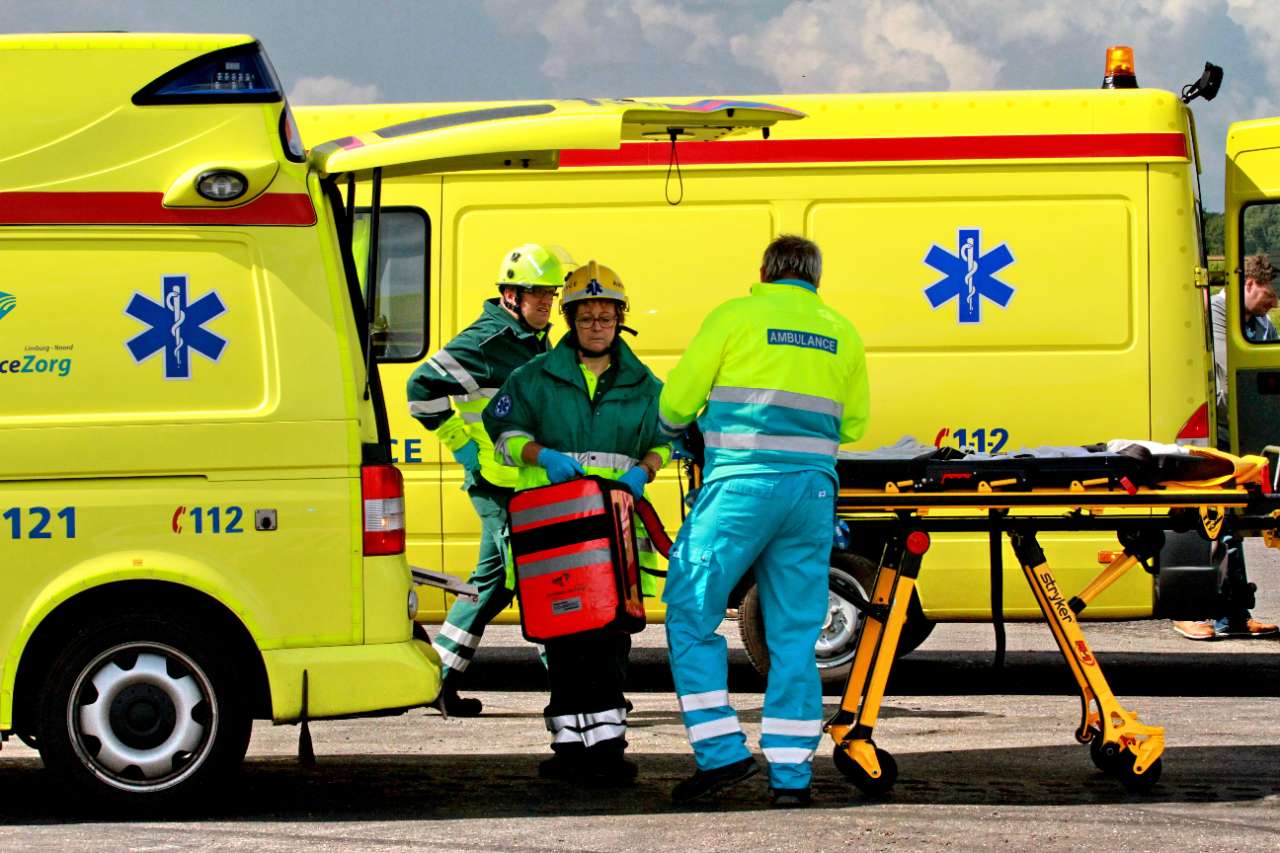
Emergencies can happen at any time, and knowing exactly what to do can save lives. This section is important to read early, especially for newcomers or international residents in Sweden, so you feel prepared, calm, and confident if you or someone you care for needs urgent medical help.
Call 112 in life-threatening situations, and follow operator instructions.
Call emergency services if someone has:
- chest pain or breathing problems
- signs of stroke
- severe injury or bleeding
- unconsciousness or seizures
- serious mental-health crisis (suicidal thoughts, psychotic episodes, severe anxiety or panic attacks)
step 1
call 112
Call 112 to reach SOS Alarm. Remain calm.
You will be asked:
- what happened
- where you are
- who needs help
- phone number to call back
Stay on the line until told to hang up.
step 2
follow instructions
The operator may guide you through:
- CPR or first aid
- how to position the person
- what to prepare before the ambulance arrives
Follow their instructions carefully.
step 3
prepare for the ambulance
If possible:
- unlock doors and clear access
- bring ID or documents
- bring medication list
Do not drive to hospital if the situation is life-threatening — wait for the ambulance.
- Location details: When calling 112 from a mobile phone in Sweden, having the 112 app (SOS Alarm app) installed is a lifesaver. It automatically transmits your exact GPS coordinates to the dispatcher, which is especially helpful if you are new to the area or outdoors and unsure of your exact address
- Sweden provides immediate psychiatric care in all regions
- Emergency departments or psychiatric emergency units handle crises such as suicidal thoughts, panic attacks, or psychosis
- Interpreters are available at no cost
- For non-life-threatening but urgent mental-health concerns, you can also contact 1177 or Mind Sverige
Most importantly, emergency care is never refused.
Typical costs and access:
- Asylum seekers and people with temporary protection (TPD) usually pay heavily subsidised emergency care fees (often around SEK 50)
- Residents with a personnummer pay standard regional patient emergency fees
- Children under 18 generally receive emergency and hospital care at no cost
- EU/EEA visitors with a valid EHIC card receive medically necessary emergency care at standard Swedish patient fees
Emergency ambulance fees may vary between regions.
Healthcare providers can arrange interpreters if needed.
You can request interpretation:
- when calling 112
- when contacting 1177
- when arriving at a clinic or hospital
If you are unsure whether your situation is an emergency, call 1177 first for medical advice.
- You can receive emergency care without a personnummer: emergency care is available regardless of citizenship or residence status
- You don’t need to speak Swedish: 112 can assist in English, and healthcare providers can arrange an interpreter when needed
- Emergency departments prioritise the most serious cases first: if your condition is less urgent, you may have to wait
- Not every urgent problem requires the emergency department: if you are unsure where to go, call 1177 for 24-hour medical advice and guidance
- Bring identification and relevant healthcare information if you can: this may include your personnummer, residence documents, EHIC and a list of medications
- Emergency care isn't necessarily free: what you pay depends on factors such as your region and residence/insurance status
- In a life-threatening situation, don't drive yourself to hospital: call 112 and follow the operator's instructions
- Location details: when calling 112 from a mobile phone in Sweden, having the 112 app (SOS Alarm app) installed is a lifesaver. It automatically transmits your exact GPS coordinates to the dispatcher, which is especially helpful if you are new to the area or outdoors and unsure of your exact address
This information is not medical advice. In a medical emergency, call 112 or seek immediate medical care. If you are unsure about the urgency of your symptoms, contact healthcare services for guidance.
- Always register with Skatteverket to get a personal number if eligible
- Register at a local clinic (vårdcentral) to access regular healthcare
- Save receipts; they count toward the yearly fee ceiling (~SEK 1,450)
↗︎ 1177
when should I call 112?
Call 112 if someone is seriously ill, badly injured, unconscious, having difficulty breathing, experiencing chest pain, showing signs of a stroke, or is in immediate danger. The operator will connect you to the appropriate emergency service.
what is the difference between 112 and 1177?
Call 112 for life-threatening emergencies that require immediate assistance. Call 1177 for non-emergency medical advice, guidance on where to seek care, or questions about symptoms.
can I go directly to an emergency department (akutmottagning)?
Yes. If you have a serious illness or injury that cannot wait, you can go directly to an emergency department. For less urgent problems, you may be directed to a local clinic or an urgent care centre instead.
will I be treated in an emergency if I don't have a personnummer?
Yes. Emergency healthcare is available to everyone in Sweden regardless of citizenship, residence status, or whether you have a personnummer.
do I need to speak swedish in an emergency?
No. Emergency services can often assist in English, and healthcare providers can arrange interpreter support when needed.
how much does emergency care cost?
Costs depend on your residence status and the region where you receive care. Residents usually pay a standard patient fee, while visitors without Swedish healthcare coverage may receive a larger bill.
what should I bring to the emergency department?
Bring identification, your personnummer (if you have one), residence documents, EHIC card (if applicable), and a list of any medications you take.