

- Swedes celebrate a few key traditions deeply, not many casually
- Some of the biggest ones: Midsommar, Valborg, Jul, Påsk, Nyår
- Traditions = food + nature + family + simple rituals
- Alcohol, singing, dance and seasonal foods are common themes
- Celebrations are cosy, not chaotic
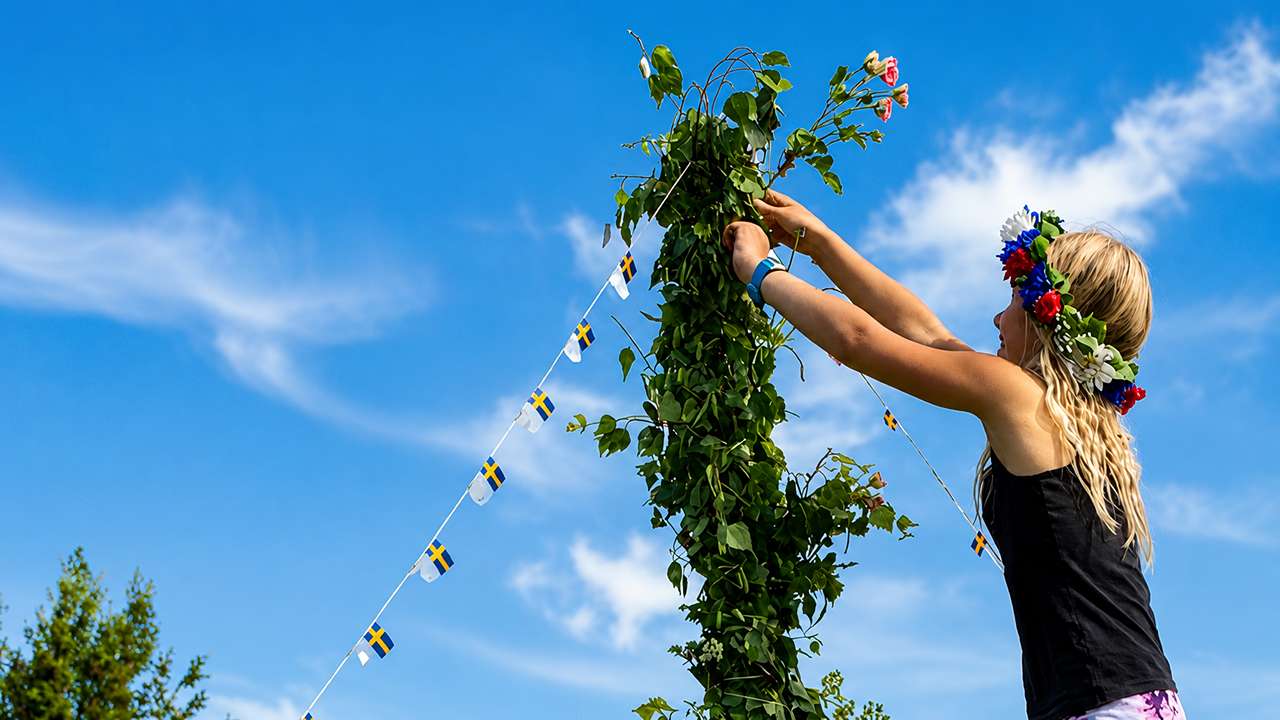
If you see adults dancing around a flower-covered pole like they’ve collectively decided botany is a religion, you’ve stumbled upon Midsommar — a cultural event (not a strange movie) that manages to bridge the gap between ancient paganism and a corporate team-building retreat gone horribly wrong.
Sweden has an impressive ability to turn the changing seasons into highly anticipated traditions. Every few months, the country collectively gathers to eat familiar foods, spend time with family and friends, and embrace customs that can seem wonderfully strange to newcomers. Some celebrations fill parks and town squares, while others are quieter and more reflective — but almost all of them revolve around nature, the seasons, and being together.
Seen Midsommar? Don’t worry — the real thing is considerably less… unsettling.
Ari Aster’s 2019 horror film turned Swedish summer traditions into something decidedly sinister. Real Midsommar is much more about flower crowns, herring, dancing and spending time with friends than, well, that.
Midsommar takes place in late June and celebrates the longest days of the year. It's one of Sweden's most beloved holidays — a celebration of summer, nature, and spending time outdoors with family and friends.
If you're lucky enough to be invited to a traditional Midsommar gathering on a warm, sunny day, it's an experience you'll never forget.
Many businesses close or operate with reduced hours over the Midsommar weekend, and millions of people leave the cities for the countryside. If you're planning to travel or shop, it's worth planning ahead.
what actually happens
- Friends and families gather in gardens, parks, the countryside, or at summer cabins
- Many communities organise public Midsommar celebrations, where a midsommarstång (maypole) is decorated, raised, and danced around
- Those who attend often join traditional songs and dances — including the famous Små grodorna ("Little Frogs") dance
- Many people make and wear flower crowns, whether they're at a public celebration or a private gathering
- Outdoor games like kubb, boules, and lawn games are common
- The day is usually centred around a long lunch or dinner, with plenty of time spent eating, chatting, and enjoying the long daylight
food
- Pickled herring (sill) in several flavours
- New potatoes with dill
- Sour cream and chives
- Crispbread and Västerbotten cheese
- Gravlax (cured salmon)
- Barbecued meat or sausages (at many gatherings)
- Fresh strawberries with whipped cream or ice cream
drinks
- Schnapps (served in small glasses, often with drinking songs)
- Beer, especially lager
- Wine
- Sparkling wine or prosecco
- Cider and plenty of non-alcoholic options
the vibe
This is one of the few times Swedes go all out socially. It is joyful, slightly chaotic, and very memorable.
December in Sweden is dark. Up north it's dark 24/7. But with darkness, comes light. Candles, and warm lights, everywhere.
And that's a big part of Christmas. Candles everywhere, slow dinners, and a buffet that quietly challenges your appetite, all washed down with shots of snaps and good ol' Swedish song.
key traditions
jul
December in Sweden is dark... but darkness, brings light!
In the far north, the sun barely rises — or doesn't rise at all for part of the season. Across the country, short days and long nights transform homes, streets and towns with candles, fairy lights and glowing stars in windows.
That's a big part of Swedish Christmas.
Rather than trying to escape the darkness, people embrace it. Homes fill with candlelight, festive decorations and the smell of baking, while family, food and slowing down take centre stage.
advent
The Christmas season begins on the first Sunday of Advent.
- Advent candles are lit each Sunday leading up to Christmas.
- Homes are decorated with stars, lights and candle arches.
- Christmas markets begin appearing across the country.
lucia (13 december)
One of Sweden's most distinctive traditions.
- Processions of singers dressed in white.
- A Lucia wearing a crown of candles (or electric candles today).
- Traditional songs performed in schools, churches and workplaces.
- Saffron buns (lussekatter) and ginger biscuits are commonly served.
julbord
Throughout December, families, workplaces and friends often gather for a julbord (Christmas buffet).
Typical dishes include:
- Christmas ham (julskinka)
- Swedish meatballs
- Pickled herring
- Gravlax (cured salmon)
- Small sausages
- Rödbetssallad (creamy beetroot salad)
- Janssons frestelse (potato and anchovy casserole)
- Crispbread, cheeses and salads
- Rice pudding (risgrynsgröt)
common drinks include:
- Glögg (mulled wine)
- Julmust (a popular soft drink enjoyed almost exclusively at Christmas)
- Beer
- Wine
- Schnapps (at many traditional julbord)
christmas eve (24 december)
This is the main celebration — not Christmas Day. In the weeks leading up to Christmas — and especially on Christmas Eve — you'll hear "God Jul!" everywhere. It's the standard way to wish someone a Merry Christmas.
families gather to:
- exchange gifts
- eat Christmas dinner
- spend time together
- watch the traditional Christmas television programme before dinner (for many households)
the overall vibe
- Warm
- Cosy
- Family-focused
- Traditional
- Unhurried
Unlike some countries where Christmas centres on shopping or big parties, Swedish Christmas is about creating warmth during the darkest time of the year. Candles, comforting food and spending time together are what make the season feel special.
One thing absolutely worth mentioning is Julmust. It's one of the most uniquely Swedish Christmas traditions, and newcomers are always surprised that a soft drink temporarily outsells Coca-Cola every December.
New Year’s Eve is one of the few times Sweden loosens up — at least a little. There’s dressing up, champagne, fireworks (Swedes LOVE fireworks), and late-night celebrations, but still with a noticeable sense of structure underneath it all.
It’s festive without becoming completely chaotic: dinner reservations are planned early, house parties are organised well in advance, and even big nights out tend to feel surprisingly controlled compared to some other countries.
It’s also one of the more openly social celebrations in Sweden, with people gathering in homes, restaurants, city squares, and waterfronts to watch midnight fireworks together.
what happens
- Fancy dinners with friends
- Champagne at midnight
- Fireworks (big in cities like Stockholm, Gothenburg)
the vibe
- More energetic than other holidays
- But still not “wild” compared to some countries
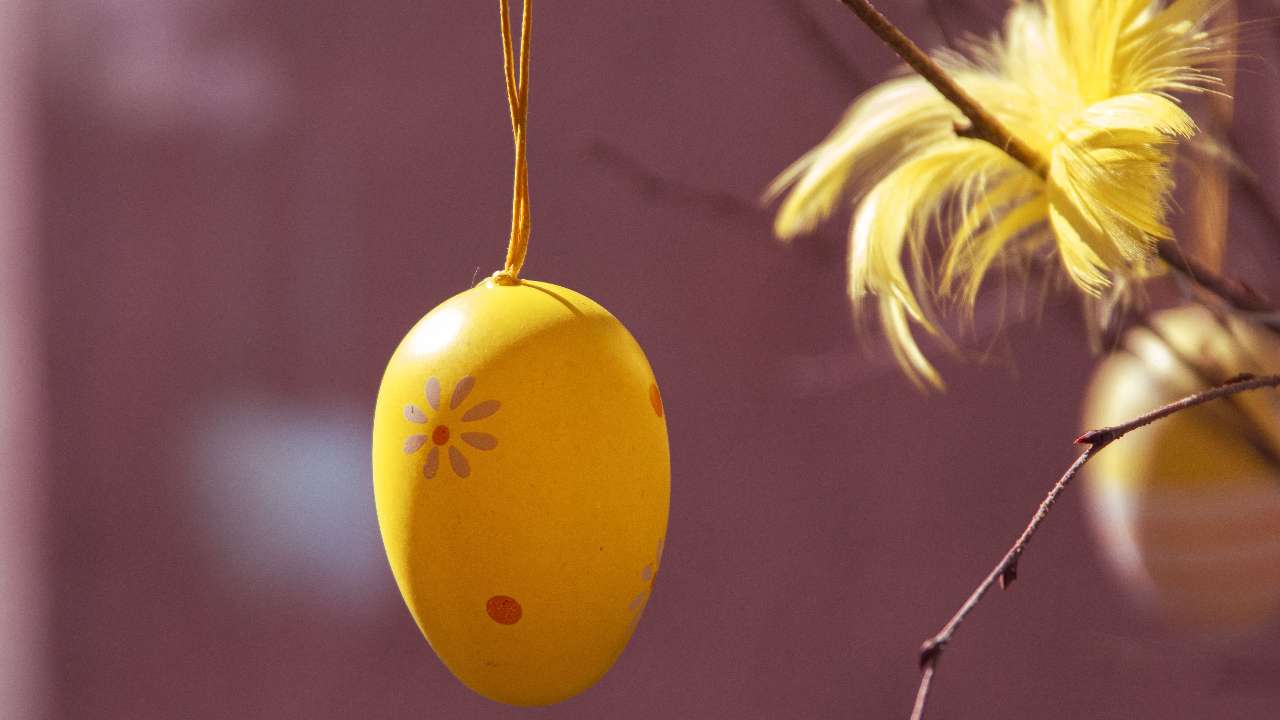
Spring arrives slowly in Sweden, and Easter marks one of the first real signs that winter is finally loosening its grip.
While Easter has Christian origins, for many Swedes it's primarily a long weekend spent with family, enjoying good food, decorating the home with bright colours, and welcoming the return of lighter days.
You'll notice homes filling with colourful feathers, painted eggs and spring flowers, making it one of Sweden's most cheerful holidays.
For many internationals, seeing little children dressed as witches in spring is one of the most unexpected Swedish traditions.
what actually happens
- Homes are decorated with colourful feathers on birch branches, painted eggs and spring flowers
- Families gather for long Easter meals and spend time together over the long weekend
- Children often dress up as påskkärringar (Easter witches), wearing headscarves, aprons and painted freckles. They visit neighbours with homemade Easter cards and receive sweets in return — a tradition that's often compared to a gentler, springtime version of Halloween
- Easter eggs are hidden or given as gifts, usually filled with chocolate and sweets
- If the weather is kind, many people spend time outdoors or head to their summer cottages
food and drink
The Easter table (påskbord) resembles a smaller version of the Christmas buffet, with plenty of familiar favourites.
typical dishes include:
- eggs (prepared in many different ways)
- pickled herring (sill)
- gravlax (cured salmon)
- potatoes
- Janssons frestelse (in many households)
- Swedish meatballs
- Västerbotten cheese pie
- crispbread and cheeses
common drinks include:
- beer
- schnapps (often accompanied by drinking songs)
- wine
- Easter-themed soft drinks and alcohol-free options
Of course, there's also plenty of chocolate and sweets hidden inside large Easter eggs.
the vibe
- Bright
- Relaxed
- Family-oriented
- Hopeful
- Spring-like
Compared with Christmas, Easter feels lighter and less formal. It's a celebration of longer days, fresh beginnings and finally being able to spend more time outdoors after the long Swedish winter.
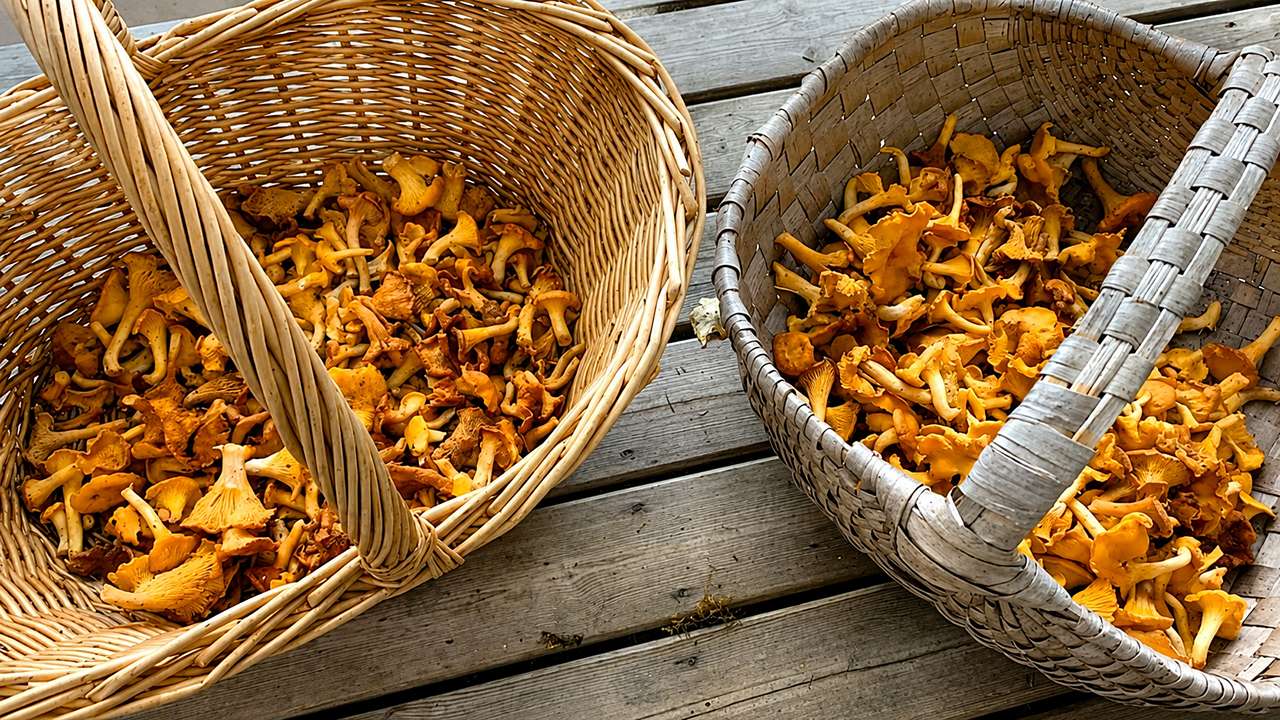
A deeply rooted Swedish tradition where people head into forests to gather wild berries and mushrooms—part hobby, part survival history, and part peaceful escape into nature.
Rather than being tied to a specific holiday, foraging follows the rhythm of nature.
when
The season stretches from late summer into autumn, depending on the weather.
- July–September: blueberries (blåbär), wild strawberries and later lingonberries
- August–October: mushroom season begins, with chanterelles (kantareller) among the most prized finds
- A warm, rainy autumn often produces the best mushroom harvests, making October surprisingly productive
what happens
- People head into forests carrying baskets or buckets
- Families, friends and solo walkers quietly search for berries and mushrooms
- Many people keep their favourite mushroom spots a secret—especially for chanterelles (kantareller). Discovering a productive patch is almost like finding buried treasure
- The harvest is taken home and turned into jams, sauces, pies, soups or simply fried with butter
the vibe
- Calm
- Slow
- Meditative
- Quietly competitive
what to bring
- A basket or bucket for collecting berries and mushrooms (many people prefer baskets because they keep mushrooms from getting squashed)
- A small mushroom knife — often with a brush on the handle — for trimming and cleaning mushrooms in the forest
- Coffee and a fika: Many people pack a thermos of coffee and something simple like cinnamon buns, sandwiches or biscuits. A break in the forest is often just as important as the picking itself
- Water and snacks, especially if you're planning to spend several hours outdoors.
- Comfortable waterproof shoes or boots, as paths can be muddy and uneven
- Long trousers and layers to protect against ticks, scratches and changing weather
- A waterproof jacket, especially during mushroom season
why it matters
Foraging is closely connected to Allemansrätten (the Right of Public Access), which allows everyone to roam freely through nature and pick wild berries and mushrooms, even on much privately owned land, as long as they respect the environment.
The tradition also has practical roots. For generations, wild berries helped families stock up on vitamins for the long winter, while mushrooms provided an important seasonal food source.
Today, it's less about necessity and more about reconnecting with nature. On a good late-summer weekend, forests across Sweden are full of people quietly wandering between the trees, enjoying one of the country's most cherished seasonal traditions.
- If you are on private land, make sure you stay within 150 metres of any dwellings
- Always take your waste out of the forest with you
- Sometimes certain terrain can be challenging, so go in prepared!
- Stick to marked paths if you’re unfamiliar with the area, especially in dense forest
- Check the weather: picking is best after several days of rain, especially for mushrooms
- Start earlier in the berry season (July–September) before mushroom season peaks
- Wear long trousers and closed shoes to protect against ticks, especially in grassy or forest edges
- Always check your body and clothing for ticks after forest walks (common in southern and coastal Sweden)
- Be cautious around wasp nests when picking berries close to the ground or in dense bushes — avoid sudden movements and slowly back away if you notice activity
- Bring a basket or breathable bag for mushrooms (plastic bags can damage them)
- Only pick what you can confidently identify — many mushrooms have toxic lookalikes
↗︎ Mushroom knife and brush (best overall)
↗︎ Mushroom knife and brush (search "svampkniv")
↗︎ Learn how to avoid mushroom poisoning
↗︎ Buy a blueberry picker
A classic Swedish late-summer celebration marking the start of crayfish season in August. Historically, it developed when crayfish fishing in Sweden became more regulated, turning the late-summer harvest into a seasonal social event rather than an everyday food tradition. Over time, it evolved into a distinctly Swedish ritual combining food, symbolism, and humour.
Crayfish parties are typically held outdoors or in summer houses, with long communal tables, paper lanterns, and brightly coloured decorations.
what happens
- People eat crayfish — and only crayfish — with their hands, often wearing bibs and paper hats
- Schnapps (“snaps”) is commonly served, often with repeated singing of traditional drinking songs
- Long, shared meals with multiple small toasts throughout the evening
- Decorations often include lanterns, candles, and playful summer themes
the vibe
- Relaxed
- Slightly silly
- Very social
One of Sweden’s biggest spring celebrations, Valborg takes place on 30 April and marks the symbolic end of winter. The tradition dates back centuries and is linked to older European spring fire festivals, university traditions, and seasonal gatherings.
Today, Valborg is especially associated with large bonfires, student celebrations, singing, and the collective feeling that Sweden is finally emerging from the long dark winter.
what happens
- Large public bonfires (“majbrasor”) are lit across the country
- Choirs and crowds sing traditional spring songs
- Students, especially in university cities, celebrate heavily throughout the day and night
- Parks, outdoor cafés, and public spaces fill up quickly if the weather is good
- Many people gather with friends for food, drinks, and outdoor socialising
where it’s biggest
Valborg is celebrated nationwide, but some places are especially famous for it:
- Uppsala — arguably the most iconic Valborg celebration in Sweden, known for huge student events, river rafting, and packed city-wide festivities
- Lund — major student celebrations and outdoor gatherings
- Stockholm, Gothenburg, and smaller towns also host public bonfires and concerts
the vibe
- Energetic and social
- Slightly chaotic in student cities
- A collective release after winter
- One of the first major outdoor social events of the year
Valborg captures the wild emotions of seasonal change. After months of darkness and cold, the first real signs of spring do oddly good thing to you, and are treated as something worth celebrating together outdoors — even if it’s still a little chilly in the air.
- Dress for unpredictable weather — warm afternoons can turn into cold evenings quickly
- Arrive early for popular bonfire spots and parks
- Expect large crowds, especially in university cities
- Bring layers, snacks, and something waterproof if staying outdoors for long periods
- Don’t underestimate how crowded public transport and parks can become
- Don’t stand too close to bonfires — they are often much larger than people expect
- Don’t expect a highly organised schedule everywhere; many celebrations are informal and community-based
- Don’t assume the entire country celebrates the same way — university towns are usually far more intense
- Many Swedish celebrations include public events, but the most meaningful traditions often take place in private with family and friends. Your experience may feel very different depending on whether you're invited into someone's circle
- Many traditions are planned well in advance, so it's worth organising ahead rather than expecting spontaneous invitations
- Holiday food can seem repetitive from one celebration to the next, but that's part of the tradition. Familiar dishes are often valued more than constantly trying something new
- The seasons shape Swedish celebrations just as much as the holidays themselves — from bright, outdoor gatherings in summer to cosy, candlelit traditions during the darker months
- Some holidays can be confusing at first. For example, Halloween overlaps with the quieter observance of All Saints' Day, so you'll often see both festive decorations and moments of reflection around the same time
- Showing up with something small — like dessert, flowers, or drinks — is expected and appreciated, even if no one explicitly says it
- Timing matters more than you think; being on time is the norm, not the exception
- If you don’t understand what’s happening (songs, rituals, dancing), just observe first — people won’t expect you to know, but they will notice if you’re respectful
- You don’t need to be overly social or loud; being calm and present fits in better than trying too hard
- Drinking is common during celebrations, but there’s no pressure to overdo it — moderation is very much the vibe
↗︎ Foraging (berries and mushrooms)
↗︎ SVT (Sveriges Television) — national coverage of Lucia, Midsummer, and major holidays
↗︎ SVT Play (culture & documentaries) — longer-form cultural and seasonal content
↗︎ Nordiska museet — historical and cultural context for Swedish traditions
is it easy to join swedish celebrations as an international?
Yes, but usually through people — friends, colleagues, or community groups — rather than randomly on your own.
which celebration should I prioritise experiencing?
All of them! But if we had to choose... then Midsommar. It’s the most unique and culturally expressive.
are these traditions religious?
Not strictly. Most are cultural today, even if they have religious roots.
why does the food feel the same across holidays?
Because repetition is part of the tradition — it’s about continuity, not novelty.
what if I don’t understand what’s going on?
That’s completely normal. Just follow along and enjoy it — no one expects you to have it figured out.