

Sweden has a strong amateur arts culture for children, teens and adults, supported by study associations and municipal culture schools. You don’t need experience or Swedish fluency to participate.
Activities like theatre, choir, dance, hip-hop, music and improv are widely available and are one of the easiest ways for internationals — including families — to build friendships, confidence and a sense of belonging.
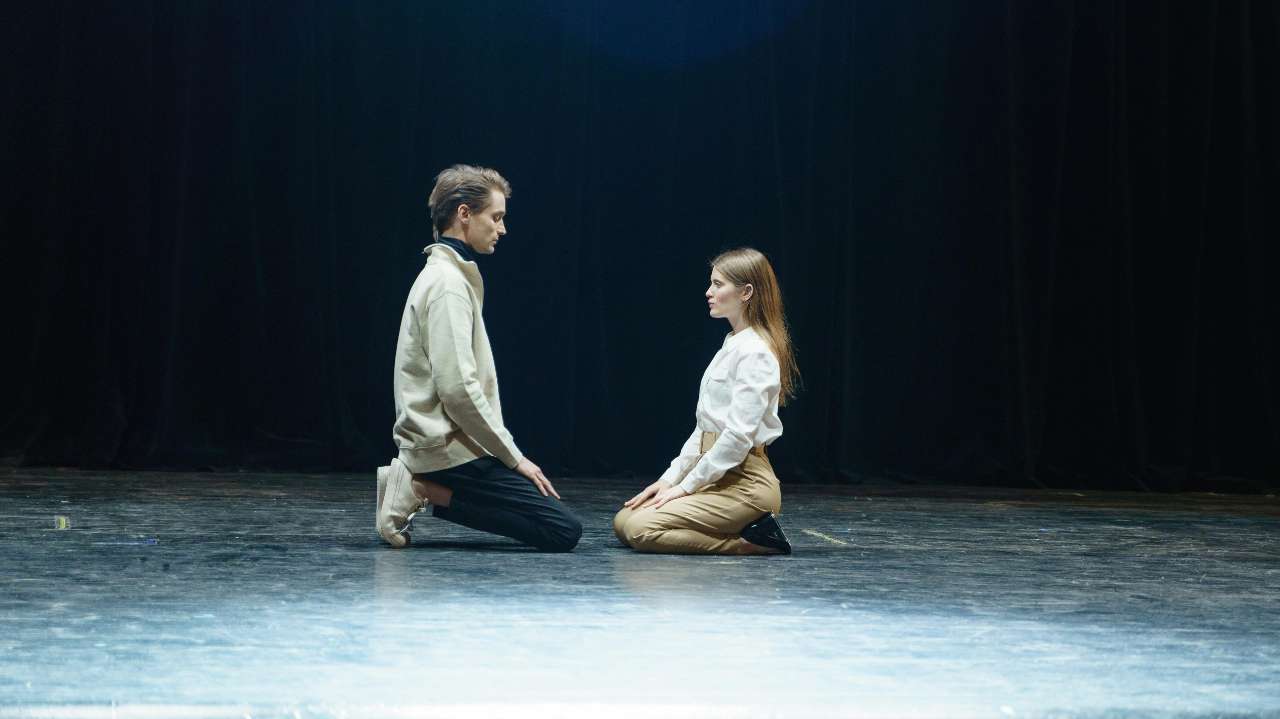
Moving to a new country can be exciting — but it can also be lonely, isolating and mentally exhausting. Many internationals in Sweden discover that making Swedish friends takes time, especially outside work.
One of the most powerful shortcuts into Swedish social life is amateur arts. This can’t be overstated.
Choirs, theatre groups, dance communities, improv clubs, film collectives and creative workshops are everywhere — and they are designed for beginners and hobbyists.
This is not about becoming a professional artist. Rather, it's about belonging, wellbeing and community which when combined, is a very uplifting energy source.
Importantly, this ecosystem is not just for adults. In Sweden arts participation is part of growing up and lifelong learning. Children often begin in municipal culture schools, teenagers continue through youth programmes and study associations, and adults join hobby groups or return to creative interests later in life.
Swedes often build friendships through structured group activities, not spontaneous socialising.
Joining an arts group gives you:
- a weekly social routine
- a place where conversation happens naturally
- a mix of internationals and locals
- a low-pressure way to practice Swedish
- a strong boost to mental health
Research consistently shows that singing, dancing and performing in groups reduces stress, anxiety and loneliness. For newcomers, this impact can be huge.
Many internationals say joining a choir, improv class or dance group was the moment Sweden finally started to feel like home.
what internationals say online
Common themes from international communities:
“Choir was the first place I made Swedish friends.”
“Improv fixed my social life.”
“Joining theatre helped my Swedish more than SFI.”
Many internationals regret not joining earlier.
how amateur arts work
Most activities are run through:
- non-profit associations (föreningar)
- study associations (studieförbund)
- community arts organisations
- local cultural centres
Key things internationals love:
- beginners are welcome
- participation is cheap (often SEK 0–200 per session)
- you don’t need formal training
- people of all ages join
- it is normal to join alone
You usually don’t need to audition. Showing up is enough.
Sweden has a strong hip-hop and street culture scene, and it is one of the most accessible entry points into arts participation for internationals.
These spaces are often:
- multilingual
- youth-driven
- informal and welcoming
- focused on self-expression
You don’t need experience or perfect Swedish — just curiosity and willingness to show up.
the role of study associations in hip-hop culture
A major driver of Sweden’s grassroots arts scene is the study association system.
One of the most influential organisations is NBV.
NBV plays a huge role in making arts participation accessible — especially for newcomers and people without formal arts education.
Across Sweden, and particularly in Gothenburg, Stockholm and Malmö, NBV supports:
- break and street dance training
- d.j. and music production workshops
- rap and songwriting circles
- community performances and battles
- cultural events and festivals
NBV workshops and events are a great way for internationals to discover Swedish hobby culture.
gothenburg’s strong street culture scene
Gothenburg's hip-hop scene, vs Stockholm for example, is more participation heavy — it's more community focused.
NBV has had a particularly strong influence in Gothenburg, helping support long-running hip-hop workshops, community spaces and events across the west coast.
Regular activities often include:
- open dance sessions
- beginner breaking classes
- d.j. workshops
- community performances
These spaces are designed to be affordable, welcoming and beginner-friendly.
For some internationals, hip-hop communities become a first step into Swedish social life.
kulturskolan
Most municipalities offer Kulturskolan, which is the main entry point into the arts for children.
Typical activities include:
- music lessons (instrument or singing)
- dance classes
- theatre and musical theatre
- visual arts and crafts
- film and creative media
- sometimes digital creation (game design, animation)
These classes are:
- heavily subsidised
- after-school based
- beginner-friendly
- designed for long-term participation rather than performance pressure
youth centres and creative groups
For teenagers, social life often shifts toward:
- youth centres (fritidsgårdar)
- band rooms and rehearsal spaces
- theatre and dance collectives
- film and media workshops
- creative clubs via study associations
These spaces focus less on formal teaching and more on:
- hanging out
- creating together
- building identity and friendships
- experimenting with music, art and performance
Many teens discover lifelong hobbies here.
study associations and youth creativity
Study associations such as NBV also run youth-focused programmes, including:
- hip-hop and street dance workshops
- DJ and music production courses
- band coaching and rehearsal spaces
- theatre and performance groups
- creative media projects
These activities are often low-cost or free and are designed to be inclusive and accessible.
stockholm: amateur arts and performing
Stockholm — Sweden’s capital and mind-blowingly beautiful city — has the largest hobby arts scene in Sweden and a strong international community.
theatre and improv
Popular organisations include:
- Stockholm International Improv Theater (SIIT)
- Improvisation & Co
- Teaterverket
- Kulturama evening courses
Improv is especially popular among internationals because language barriers matter less and social bonding happens quickly.
choirs and singing groups
Stockholm has hundreds of choirs, many open to beginners.
Common options include:
- international choirs
- community choirs through study circles
- workplace and neighbourhood choirs
Choir culture is huge in Sweden. Many internationals join with zero singing experience.
dance and movement
Popular for newcomers:
- swing dance and lindy hop communities
- salsa and bachata schools
- contemporary dance workshops
- contact improvisation groups
Many dance communities organise social events and festivals, making them powerful friendship networks.
gothenburg: welcoming and inclusive arts scene
Gothenburg has one of Sweden’s most accessible and community-driven arts cultures.
inclusive performing arts
A standout organisation is House of Possibilitas.
They run inclusive theatre and performance workshops focused on accessibility, creativity and community participation.
theatre and improv
Well-known groups include:
- Improverket
- Gothenburg English Studio Theatre (GEST)
- community workshops and courses through study associations
GEST is a major gateway for internationals who want to act in English.
choirs and music
Gothenburg has a strong choir tradition with many beginner-friendly groups and international members.
Many internationals say choirs in Gothenburg are particularly welcoming and social.
malmö: small city, big creative community
Malmö’s arts scene is known for being international, experimental and informal.
theatre and performance
Popular spaces include:
- Malmö Community Theatre
- PotatoPotato Performing Arts
- Inkonst workshops
- theatre courses through study circles
The Malmö scene is often described as easy to enter and very inclusive.
dance and performance communities
Strong communities include:
- contemporary dance collectives
- queer performance groups
- contact improv and movement workshops
- social dance communities
Many internationals describe Malmö’s arts scene as relaxed and beginner-friendly.
outside the 3 biggest cities
If you don’t live in Stockholm, Gothenburg or Malmö, the arts scene can feel hidden at first — but it absolutely exists everywhere. The key is knowing where to look.
Start here:
1
search in swedish (this makes a huge difference)
Use Google with terms like:
- teater + your town
- amatörteater + your town
- kör + your town (choir)
- dansförening + your town
- musikförening + your town
- studieförbund + your town
Many amateur arts groups only publish in Swedish.
2
check your municipality culture page
Search: “[municipality] kultur fritid”.
You’ll often find:
- amateur theatre groups
- choirs and orchestras
- dance schools
- rehearsal spaces
- grants or open calls
3
facebook is the real events calendar
In smaller towns, most arts groups organise through Facebook.
Search for:
- “[Town] teater”
- “[Town] kör”
- “[Town] kulturförening”
- Expats in [region] groups
Many internationals say their first choir, band or theatre group came from Facebook.
4
visit the library or local culture house
Libraries and “kulturhus” often host:
- writing groups
- open mic nights
- community theatre
- art exhibitions and workshops
5
follow local artists on instagram
Try hashtags like:
- #[townname]kultur
- #[townname]teater
- #[townname]musik
- #[townname]dans
Small-town arts scenes often live on social media more than websites.
reality check
Outside the big cities the arts scene is smaller, but often more open and welcoming. Once you join one group, word-of-mouth quickly leads to others.
Start simple:
☐ Search your city + choir / improv / theatre / dance
☐ Check study associations and cultural centres
☐ Reach out, join local Facebook groups
☐ Try a beginner workshop or open class
☐ Go alone if you have to — many others will too
- You do not need experience to join amateur arts
- Most activities are beginner-friendly and low cost
- Arts groups are one of the fastest ways to meet people in Sweden
- Choirs, improv, dance and hip-hop are especially welcoming for internationals
- Many activities run in English or are language-neutral
stockholm
↗ Stockholm International Improv Theatre (SIIT)
↗ Teaterverket (courses + community theatre)
↗ Kulturama (huge performing arts school for adults)
↗ Balettakademien Stockholm (dance courses for adults)
↗ Stockholm Singers (English-speaking choir)
↗ Parkteatern (free outdoor theatre in summer)
↗ Konträr (experimental theatre & performance venue)
gothenburg
↗ House of Possibilitas (inclusive performing arts community)
↗ Gothenburg English Studio Theatre (GEST)
↗ Balettakademien Gothenburg (dance courses)
↗ Folkteatern Gothenburg (community workshops & events)
↗ NBV West Sweden (arts & music activities)
malmö
↗ PotatoPotato Performing Arts (courses, workshops, experimental theatre)
↗ Inkonst (performing arts venue & workshops)
↗ Malmö Sommarscen (free outdoor summer performances)
↗ Malmö Opera Community & events
choirs & music communities
↗ Stockholm International Choir
↗ Immanuel International Choir - Immanuel Church
↗ Stockholm Singers (English-speaking choir)
↗ Meetup (search “choir”, “improv”, “jam session”)
↗ Bandfinder (find musicians in Sweden)
do i need to speak swedish?
No. Many groups run in English or are beginner-friendly.
am i too old to join?
No. People of all ages participate.
when do kids typically start with arts performance classes?
Most children start around age 6–8, once they are in primary school.
do i need experience?
Almost never. Beginners are expected.
will it be awkward to join alone?
No — many participants join solo.
are these activities expensive?
Usually very affordable compared with private classes.
is this really a good way to make friends?
Yes. Many internationals say hobby groups became their first social network in Sweden.