

Sweden looks calm, but it secretly dances a lot. Clubs warm up slowly but go hard, social dance scenes (salsa, bachata, kizomba) are huge, and every city has its own vibe — Stockholm is structured, Gothenburg is creative and loose, Malmö is small but experimental. You don’t need Swedish, just show up and you’ll find the rhythm.
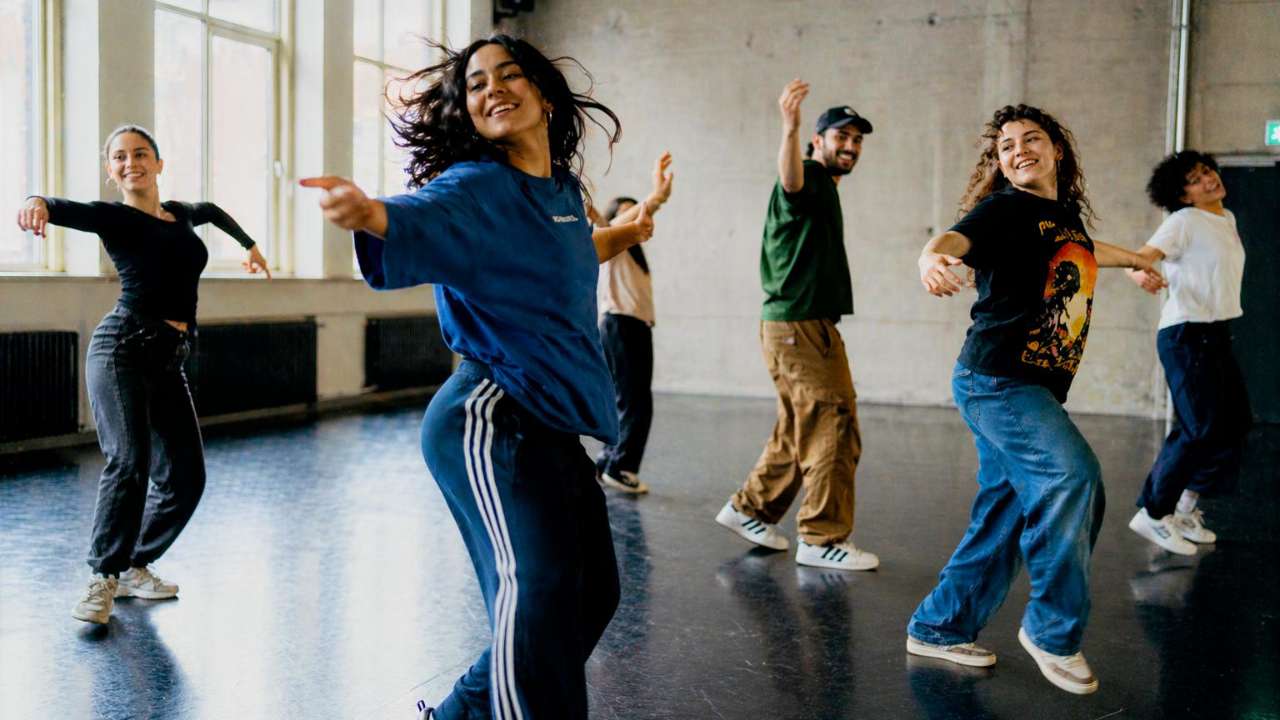
You might think Swedes don’t dance. They look calm, composed… maybe even a little too put together.
Then Friday night hits, and suddenly there’s salsa, and someone confidently doing moves you did not expect.
Swedish dance culture isn’t loud or flashy. It’s more like a hidden level you unlock.
Let’s breakdance it down.
Across Sweden, partner dance culture is surprisingly strong.
You’ll regularly find:
- salsa
- bachata
- kizomba
These scenes are:
- beginner-friendly
- very welcoming
- heavily international
- structured but social
And the key detail: you don’t need Swedish at all. The dance is the communication.
Outside nightlife, dance is also just… a normal hobby.
Studios across Sweden offer:
- hip-hop
- street dance
- contemporary
- ballet
- commercial dance
People join for:
- exercise
- creativity
- social life
- routine
It’s not about being “good enough” — it’s just part of weekly life for many.
Sweden also has traditional group dances, especially during Midsummer.
It looks like:
- circles of people
- simple coordinated steps
- lots of laughing, not performing
It’s not about skill — it’s about participation. And once you’re in it, it feels surprisingly natural.
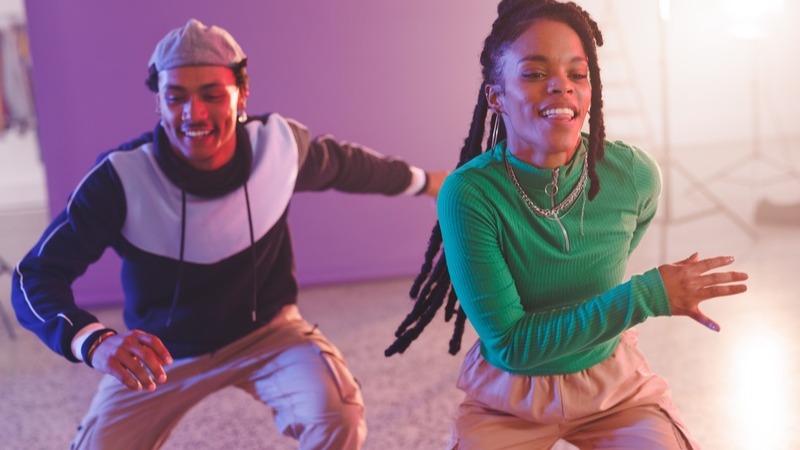
We focus on Stockholm, Gothenburg and Malmö, and each have their own flavour.
If you are looking to get involved outside of the larger centers, simply search what you’re after online.
stockholm — structured, international, polished
Stockholm is the most “organised” dance city — everything exists, and it’s easy to find if you know where to look.
clubs
Expect sleek venues, big student nights, and polished nightlife production. Music is often EDM, pop, or hip-hop depending on the crowd.
Dance floors here warm up slowly, but once they do, they stay consistent all night.
social dance scene (very strong here)
Stockholm has one of the most developed partner dance ecosystems in Sweden where you'll find:
- salsa
- bachata
- kizomba
You’ll find weekly socials almost every night of the week somewhere in the city.
Key vibe:
- beginner-friendly
- very international
- rotating partners (you dance with everyone)
It’s one of the easiest places to meet people without forcing conversation.
studio culture
Dance is also just a normal hobby here.
Studios offer:
- hip-hop
- street dance
- contemporary
- commercial dance
People go weekly like it’s the gym — not for performance, just for life balance.
where to start
- Fryshust: Hip-hop, contemporary, popular amongst kids/young adults
- Stockholm Salsa Dance: Salsa/bachata
- Folkuniversitetet: Ballet + contemporary + professional training + open classes
gothenburg — creative, loose, slightly chaotic (in a good way)
Gothenburg feels less structured and more emotionally expressive. The dance scene is not as “packaged” — it just kind of happens.
clubs and nightlife flow
Nights often move between:
- bars
- small clubs
- afterparties
- hidden venues
Dance floors feel more spontaneous and less curated than Stockholm.
social dance scene (community-driven)
Salsa and bachata exist here too, but the energy is different:
- more tight-knit
- more familiar faces
- more “we all know each other here” vibe
You’ll still find beginner nights and socials, but it feels less formal and more relaxed.
dance vibe (important cultural layer)
There isn’t one single venue called this — it’s more a recurring ecosystem of dance energy across the city:
- pop-up dance events
- DJ + dance collaborations
- studio socials that turn into parties
- festival-linked dance nights in summer
It’s where Gothenburg’s creative side really shows up — less branding, more community flow.
key places
- Dance Forum: One of the biggest dance schools (hip-hop, jazz, ballet, contemporary
- Dance Vida: A major partner-dance hotspot focusing on salsa, bachata, kizomba, weekly socials, workshops & mini-festivals
- Gothenburg Opera: Dance education + workshops
malmö — experimental, intimate, underground-leaning
Malmö is smaller, but the dance culture is very active and creatively loose.
clubs
Expect:
- alternative music nights
- electronic-heavy sets
- experimental DJs
- mixed cultural influences
The scene feels close and personal rather than big-city polished.
social dance scene
Partner dances exist, but feel more relaxed and informal:
- Salsa nights in studios
- Smaller bachata socials
- Mixed international crowds
It’s very easy to show up as a beginner.
creative underground layer
Malmö’s dance energy often overlaps with art spaces:
- Pop-up events
- Hybrid art + music nights
- DIY gatherings
It’s less structured, more experimental, and often last-minute.
studios (well-known)
- Malmö Opera: Dance, workshops + contemporary work
- Love Dance: Salsa & bachata classes and socials
- Studieförbundet: Broad beginner-friendly dance courses
- Personal space matters, don’t be overly physical unless it’s part of the dance
- Consent is important, especially in partner dances
- Alcohol is often part of club dancing culture
- Many events require tickets or registration in advance
- Dance communities are usually very respectful and structured
- Start with beginner-friendly dance classes, they’re the easiest entry point
- Try salsa/bachata nights, they’re the most social
- Go with a friend the first time if you’re unsure
- Don’t overthink, confidence matters more than skill
- Follow local dance groups on social media to find events
- Be patient, connections take time, but dance helps a lot
gothenburg
↗ Dance Vida — a major partner-dance hotspot focusing on salsa, bachata, kizomba, weekly socials, workshops & mini-festivals
↗ Dance Forum — one of the biggest dance schools (hip-hop, jazz, ballet, contemporary)
↗ Gothenburg Opera for dance education + workshops
↗ Authentic Swing Dance event — "Swing Spring"
malmö
↗ Skolor | Malmö Opera for dance, workshops + contemporary work
↗ Love Dance Academy for salsa & bachata classes and socials
↗ Studieförbundet for beginner-friendly dance courses for adults
stockholm
↗Danscenter Fryshuset for hp-hop, contemporary, popular amongst kids/young adults
↗Stockholm Salsa Dance for salsa/bachata
↗Folkuniversitetet for ballet + contemporary + professional training + open classes
regional
do swedes like dancing?
Absolutely. They just keep lowkey about it.
is it easy to join dance events as an international?
Very. Most dance communities run in English by default and love new people. Showing up is honestly the hardest part.
do I need a partner?
Nope. Social dances rotate partners constantly. You show up solo, you leave having danced with half the room.
is club dancing big?
Yes — especially in bigger cities. The dance floor just warms up slowly before it pops off.
what’s the easiest way to start?
Beginner class, then social dance night. Suddenly it’s part of your weekly routine.