

Swedish culture is built around balance, trust, and respect for others. Values like "lagom" (not too much, not too little), personal space, punctuality, equality, and independence shape everyday life. Conversations are often brief, and people usually say exactly what they mean, without much extra explanation. Nature also plays a central role. Time outdoors, adapting to the seasons, and enjoying quiet moments are seen as essential parts of a healthy life.

The culture here is often understated, rather than loud or expressive.
If you’re coming from a more social or spontaneous culture, it can feel distant at first. Swedes aren’t unfriendly — they tend to be more reserved with their energy, space, and conversation.
Once you get used to the unwritten social norms, everyday life here usually becomes very smooth and predictable.
Read on to help understand those patterns so you can settle in more comfortably and navigate Swedish social life without too much drama.
meaning: not too much, not too little. Just right.
This shows up everywhere:
- Don’t brag too much
- Don’t complain too loudly
- Don’t try to stand out aggressively
lagom at work
- Speak up, but don’t dominate the room
- Be confident, but not flashy
social lagom
- Being “normal” is a compliment
Trying too hard to impress can feel uncomfortable to Swedes.
Sweden is one of the few places where silence feels completely normal.
you'll notice:
- people don't talk unless there's something to say
- public transport is usually quiet
- random conversations with strangers are uncommon
Silence doesn't mean someone dislikes you. Most of the time, it simply means everything is fine.
Think about walking through a forest with someone. You don't have to fill every moment with conversation to enjoy being together. Sharing the space is often enough.
personal space
It's equally important.
- Don't stand too close
- Avoid oversharing when you've just met
- Respect physical boundaries
Giving people space is considered polite, not distant.
Hierarchy exists, but it’s flattened socially.
Bosses, teachers, doctors — usually first names.
Meetings feel like long rounds of careful input where nobody wants to overpower anyone else.
It can feel slow if you’re used to fast decision-making, but the idea is: nobody’s voice should automatically dominate.
gender equality is strong
- shared responsibilities at home
- equal expectations in work and life
Swedes like to plan. It's a real thing. If you're moving from somewhere more laissez-faire — New Zealand, for example — you'll notice it immediately. It stands out like lingonberries on an apple tree.
Meetups are often arranged days or even weeks in advance.
Being late is generally viewed as disrespectful because it wastes someone else's time.
Calendars aren't just helpful — they're almost sacred.
Swedes don’t tend to open up quickly, and social connections usually build slowly over time. Small talk often stays at a surface level for a while, and it’s normal for interactions to feel polite but reserved.
That’s not a sign of disinterest — it’s just a different social rhythm.
Friendships here are usually formed gradually through repeated contact: work, studies, shared activities, or familiar environments. Instead of quick emotional bonding, things tend to develop through consistency and trust over time.
It can take longer than many people expect, and that’s completely normal. It’s rarely personal — it’s just how social circles tend to form.
When friendships do form, they’re often steady, low-drama, and long-lasting rather than intense or fast-moving.
fika
You can’t talk about Swedish culture without fika, but because it’s soooo cliche, we aren’t going to go into it.
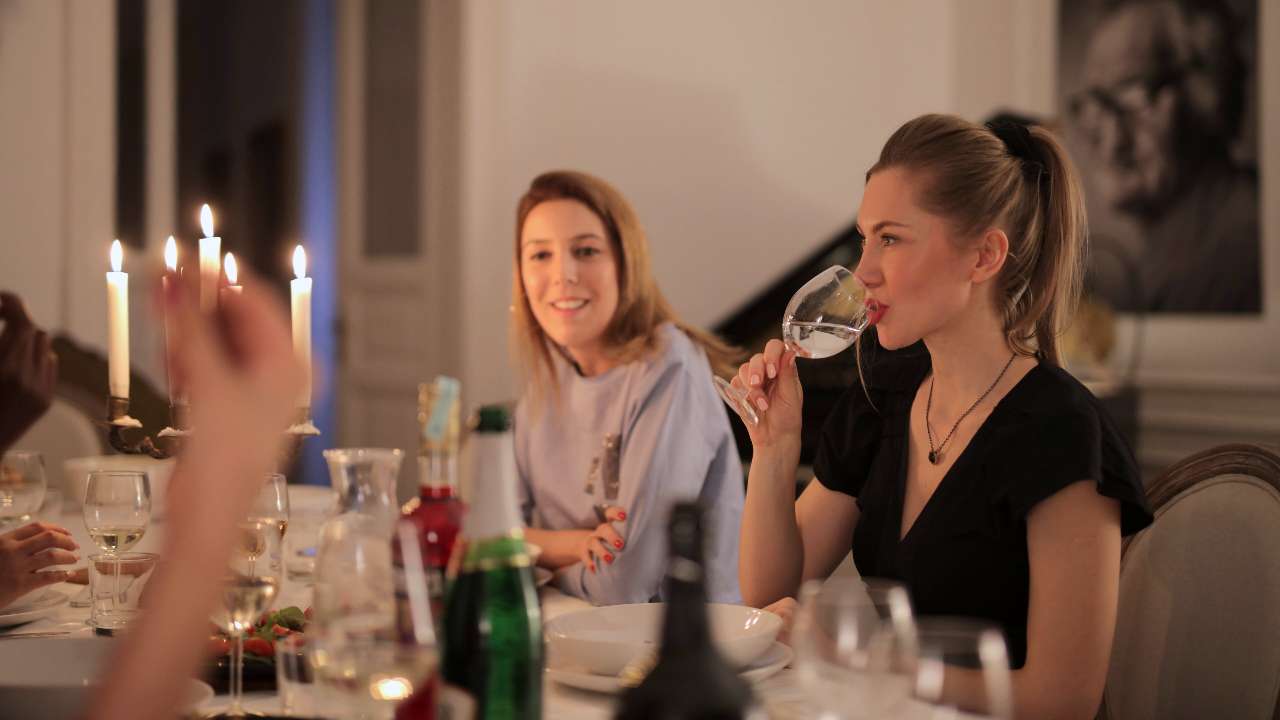
When visiting someone’s home:
- shoes off automatically
- don’t drop in uninvited
- bring something small if invited (simple, not performative)
- respect the calm tone of the space
Homes are controlled environments. Soft lighting, minimal noise, predictable rhythm.
It’s a contrast to the outside world’s emotional restraint — almost like people switch fully into “off-duty mode” indoors.
Sweden runs on quiet systems.
- Swedes love a queue (queues are respected)
- Rules are followed, even unwritten ones
- People trust systems and expect you to do the same
Cutting a line = instant social judgment.
The difference between people during winter and summer is like night and day. Well, literally.
winter = dark
- Life slows down
- Quiet, contained, low social output
- People spend more time indoors, light candles, enjoy cosy evenings and protect their routines
- But outdoor life doesn't stop, people simply dress for it
summer = light
- Suddenly social, outdoors, gatherings everywhere, like a collective mood shift
- Everything moves outside
- Parks fill up, restaurants spill onto pavements
- Lakes, beaches and forests become social spaces
Rather than fighting the seasons, people adapt to them.
It's like the country switches operating systems, and it's very special to be a part of.
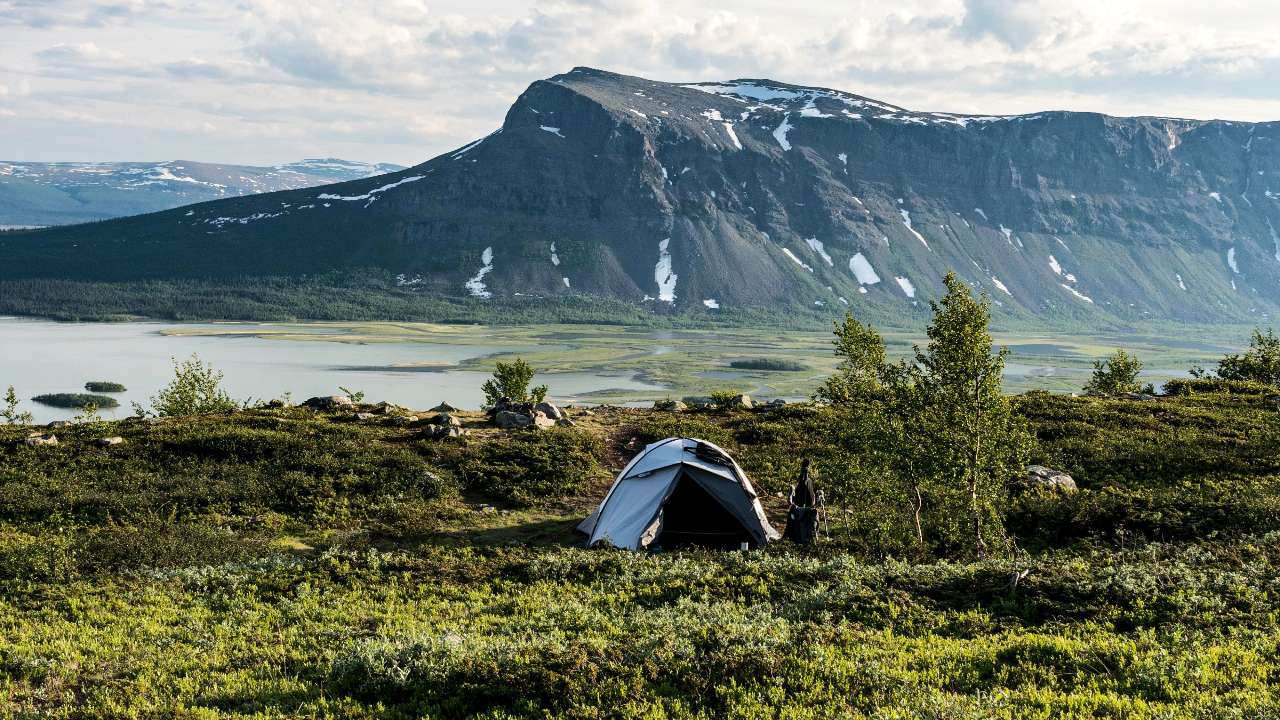
For a lot of Scandinavians, nature isn't somewhere you escape to. It's part of everyday life. It's definitively the case in Sweden.
A walk through the forest after work, swimming in a lake, picking berries or spending weekends at a cabin are all completely ordinary.
Children spend time outdoors in almost every season, and many adults see time in nature as essential for their mental wellbeing.
One uniquely Swedish idea helps make this possible — allemansrätten.
Allemansrätten — the Right of Public Access — allows everyone to enjoy nature responsibly, even on privately owned land in many cases.
It's a pretty cool rule which allows you to hike, camp for a night, swim, cycle, or pick wild berries and mushrooms as long as you don't damage nature or disturb people.
That simple idea reflects something bigger: Nature belongs to everyone.
- Allemansrätten: If you're camping on private land, stay at least 150 meters from any dwellings, and move on to a new spot each night. That's kind of the rules.

Okay yes — this is a thing.
Sweden doesn’t have strict fashion rules… but it absolutely has waves. And when a wave hits, everyone seems to ride it at the same time.
One year it’s white sneakers, beige pretty much everything else, and straight jeans.
Then suddenly it’s black wide trousers, chunky shoes, and oversized everything.
Trends spread quietly and quickly, and once something feels “right,” it becomes the safe default.
Which connects back to that whole balance mindset: standing out aggressively isn’t the goal — looking put-together and appropriate, is.
So if you go full punk, neon, or ultra-glam on a random Tuesday? People won’t say anything. Sweden rarely confronts. But you will feel the silent scanning. Not judgment exactly — more like mild confusion mixed with curiosity.
Our advice? Wear what you want to, when you want to. Just be confident in whatever you wear.
Salary, rent, savings, family finances — these are sensitive topics early on.
Even asking “how much do you earn?” can feel very invasive unless you’re close.
but get this — radical transparency (yes, your info is public)
This one freaks newcomers out.
Sites like Hitta.se, Eniro and Ratsit can show your address, age, phone number — even taxable income.
To outsiders: this feels insane.
To Swedes: it’s normal.
It comes from a centuries-old belief that society works better when information is open. Transparency = less corruption, less status games, more trust.
the paradox
swedes are very private socially… but not very secretive informationally.
They won’t ask personal questions or invade your space — but your basic data being searchable? Totally standard.
You'll probably notice this quickly.
Children are encouraged to:
- express their opinions
- make age-appropriate decisions
- become independent from an early age
Adults usually speak to children respectfully rather than talking down to them.
Sweden used to have serious nationwide alcohol problems. That history still shapes how alcohol is handled today, which is why strong alcohol is only sold through the state monopoly Systembolaget. You don’t casually pick up wine at the supermarket — buying alcohol is planned, regulated, and a bit ritualised.
Culturally, this created a funny contrast. Everyday social life is calm, restrained and low-key — but alcohol often acts like a social release valve. After a few drinks, the reserved layer drops fast and people become much more chatty and open.
But you rarely see drunk people on the street.
- Lagom shapes everyday life: Swedes value balance, moderation and “just enough” in work, social life, style and behaviour
- Quiet and personal space are normal: Silence is not awkward, strangers rarely make small talk, and giving people room is seen as polite
- Equality and flat hierarchy matter: People usually use first names, everyone is expected to contribute, and gender equality is deeply embedded in everyday life
- Planning, punctuality and trust are taken seriously: Plan ahead, arrive on time, respect queues and generally assume rules will be followed
- Nature and the seasons shape daily life: Forests, lakes and outdoor time are central to Swedish culture, and allemansrätten gives everyone the right to enjoy nature responsibly
- Social life is calm but lasting: Friendships often take time to build, fika is a cultural institution, and home is treated as a quiet place to relax and recharge
- Home etiquette is important: Shoes are usually taken off indoors, uninvited visits are uncommon, and bringing a small gift when invited for dinner is considered thoughtful
- Practical style is preferred over flashy dressing: Swedish fashion often favours clean, simple and functional looks, with trends spreading quickly once they catch on
- Privacy is valued, especially around money: Swedes usually avoid discussing salaries or personal finances, even though public information is relatively open and transparent
- Alcohol has a special social role: Drinking is more regulated than in many countries, so alcohol can feel like a social release valve and often changes the atmosphere quickly
- Don’t interrupt people when they speak
- Keep your voice moderate in public
- Respect personal space (this is huge)
- Be on time
- Don’t push for deep friendship too fast
- Learn basic Swedish phrases (it helps a lot socially)
- Wear whatever you want, when you want — the trick is to boss it
↗︎ Community events
↗︎ Systembolaget
↗︎ SFI — state funded language course
why do swedes seem distant?
You're not alone in thinking this.
They are not distant. Rather, they are reserved until comfortable.
is it hard to make friends?
At first, yes. But once you do, friendships are genuine and long-lasting.
can I be myself or do I need to “act swedish”?
Be yourself, but tone it down slightly in the beginning.
do I need to learn swedish to fit in?
Not required for survival, but:
- helps socially
- helps you integrate faster