

- Swedish food is simple, seasonal, and comfort-driven
- Expect lots of potatoes, fish, dairy, and bread
- Flavors are mild — not spicy — but high quality
- Eating out is expensive — home cooking dominates
- It all may feel a bit dull at first… but it grows on you
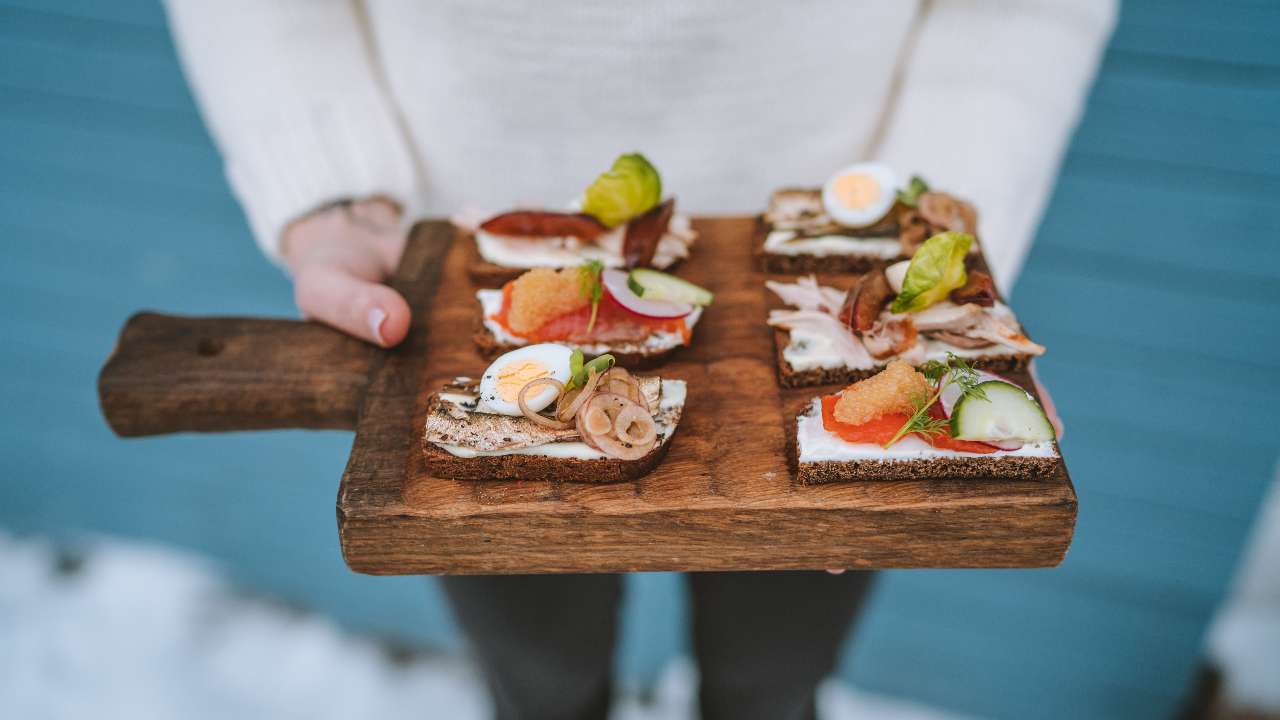
The food here is less about intensity and more about balance, routine, and comfort. Meals are often seasonal, practical, and built around ingredients that fit the climate and time of year.
And somehow, without really noticing it, you end up craving cinnamon buns, proper bread and strong coffee.
Seasonality matters too. The menu shifts naturally throughout the year, from fresh summer berries and crayfish to darker winter comfort foods and festive holiday dishes.
Dig in.
Sweden’s international food reputation is much bigger than its everyday home cooking.
Over the last two decades, Scandinavian fine dining helped popularise the idea of hyper-seasonal, ingredient-focused cooking — where menus change constantly based on weather, forests, fishing seasons, and local harvests.
Many of Sweden’s most famous restaurants focus on:
- local and wild ingredients
- preservation techniques like curing, pickling, drying, and fermenting
- simple presentation with extremely high-quality produce
- strong connections to nature and the seasons
This “new nordic” philosophy may look modern and experimental, but it actually grows from traditional Swedish food culture: making the most of what exists during each season.
Most people in Sweden obviously do not eat at Michelin-starred restaurants regularly, but the focus on seasonality and ingredient quality influences food culture far beyond fine dining.
the key suspects
- Potatoes (in every form imaginable)
- Fish (especially salmon and herring)
- Meat (meatballs, sausages)
- Dairy (cream, butter, cheese)
- Bread (crispbread, soft loaves)
The philosophy: keep it simple, let ingredients speak.
meatballs (köttbullar)
- Served with potatoes, gravy, lingonberry jam
- Sweet + savory combo = classic Swedish move
herring (sill)
- Pickled, flavoured in different ways
- Shows up at almost every holiday
gravlax
- Cured salmon with dill
- Fresh, light, and very “nordic”
open sandwiches
- Bread topped with fish, eggs, shrimps
- Looks simple, tastes surprisingly rich
semlor (seasonal obsession)
- Soft cardamom bun filled with almond paste and whipped cream
- Eaten in the weeks before Lent
Suddenly appears everywhere from January to March - You might think it’s too much cream. Then you eat one. Then you eat 5. Then you are fat, but happy, because you discovered semlor
crispbread (knäckebröd)
- Hard rye bread eaten with butter, cheese, eggs, caviar, or leftovers
Every Swedish home has at least one giant circular pack in the pantry - It’s not a snack. It’s a lifestyle
tube caviar (kalles kaviar)
- Yes, fish eggs in a toothpaste tube
- Salty, smoky, slightly sweet
Most commonly eaten on eggs and crispbread - Every foreigner is confused. Every Swede grew up with it
falukorv (the everyday sausage)
- Big, mild pork sausage used in quick home meals
- Classic dish: falukorv in the oven with mustard and cheese
- This is peak weekday dinner energy
You will notice this quickly in Swedish supermarkets:
Rows, and rows, and rows of small cans and jars of fish.
Tuna, mackerel in tomato sauce, sardines, herring — all perfectly normal, everyday lunch material.
And then there’s the special mention. The undisputed star of the show…
surströmming!
A fermented herring so notorious that it comes with unspoken rules, social warnings, and a strong suggestion to open it outside… far outside… preferably with wind in your favour and emotional support nearby.
Technically it’s food, and if prepared well, doesn’t taste bad at all (see our “smart tips” below for serving tips). Culturally it’s a challenge. Practically it’s a prank that Sweden collectively agreed to keep as a tradition.
Everything else in the canned fish aisle says: “quick, healthy lunch.”
Surströmming says: “maybe rethink your life choices.”
Most Swedes don’t eat it often. But it proudly exists as one of the world’s most famous delicacies.
Surströmming deserves special handling if you ever encounter it:
- Open it outside, never indoors
- A practical trick is opening the can in a bucket of water to reduce the pressure release and help contain the smell
- The fillets can then be rinsed in water before serving
- Typically eaten on thin bread with potatoes and toppings
- Still intense, but this method makes it far more manageable (and socially survivable)
↗︎ Learn more about the surströmming experience
Most Swedes cook and eat at home regularly. While restaurants and cafés are popular, everyday meals are usually prepared at home because:
- eating out is relatively expensive
- home cooking is practical, healthy and often more affordable
- many people cook extra dinner so they have a matlåda (packed lunch) for work the next day
- weeknight meals are usually simple and easy to prepare after a day's work
matlåda
Matlåda (leftovers) is very popular here, like in a lot of countries. Many people deliberately cook extra dinner so they can take leftovers to work the next day, saving money and reducing food waste. For newcomers, it explains why office kitchens are full of microwaves and why colleagues often bring homemade lunches instead of buying food every day.
typical home meals
- Meat, fish or a vegetarian protein with potatoes, rice or pasta
- Vegetables or a simple salad
- Soups, casseroles and pasta dishes
the vibe
- Practical rather than elaborate
- Fresh, seasonal ingredients when possible
- Home-cooked food is valued over convenience
- Cooking is part of everyday life, not just something reserved for weekends or special occasions
Swedish supermarkets are known for high food quality, clear labelling, and a strong focus on locally produced and seasonal ingredients. Compared with supermarkets in many large international cities, however, the selection can feel more limited.
what you'll notice
- Fresh produce, dairy and meat are generally of high quality
- Seasonal products are heavily promoted throughout the year
- Imported foods, tropical fruit and speciality ingredients are often more expensive
- Many stores have excellent selections of bread, dairy, crispbread and frozen foods
- Self-checkouts and contactless payments are common
common supermarket chains
- ICA (pronouced "E'KA") – the largest supermarket chain, with everything from small local stores to large hypermarkets
- Coop – member-owned, with a strong focus on sustainability and organic products
- Lidl – popular for lower prices and weekly special offers
- Hemköp (pronouced "Hem'shurp") – known for fresh food and neighbourhood locations
- Willys (pronounced "Villys") – one of Sweden's most popular budget supermarkets, offering low prices and a wide range of everyday groceries
- City Gross – large-format stores with a strong focus on fresh meat, bulk shopping, and families stocking up for the week
Swedish food follows the seasons more closely than many newcomers expect. While supermarkets stock produce year-round, many people naturally adjust what they eat as the weather changes.
what you'll notice
spring
- Fresh herbs and the first seasonal vegetables.
- Easter foods and lighter meals begin to appear.
summer
- New potatoes, strawberries and fresh berries.
- Outdoor barbecues, seafood and lighter dishes become popular.
autumn
- Apples, mushrooms and root vegetables come into season.
- Berry and mushroom picking is at its peak.
winter
- Hearty soups, stews and casseroles.
- Root vegetables, cabbage and preserved foods feature more often.
- Christmas brings a return of traditional favourites like herring, ham and saffron buns.
why it matters
Seasonal eating has long been part of Swedish food culture. It reflects both the country's climate and a tradition of making the most of what's fresh, local and naturally available throughout the year.
- Swedish food culture is built around consistency and comfort, not bold or experimental flavours
- Meals can feel repetitive at first, but that repetition is part of the tradition and daily rhythm
- Eating out frequently can get expensive, so most people rely heavily on home-cooked food
- Flavours are generally mild, with minimal use of spices or heat; balance and simplicity matter more
- Vegetarian and vegan options are widely available and clearly labelled, especially in supermarkets and cities
- Tap water is safe to drink and is commonly served for free in restaurants
- Surströmming deserves special handling if you ever encounter it:
- Open it outside, never indoors
- A practical trick is opening the can in a bucket of water to reduce the pressure release and help contain the smell
- The fillets can then be rinsed in water before serving
- Typically eaten on thin bread with potatoes and toppings
- Still intense, but this method makes it far more manageable (and socially survivable)
is swedish food really “bland”?
Not bland — just subtle. It focuses on natural flavours rather than heavy seasoning or spice-driven cooking.
what should I try first?
Meatballs with lingonberry sauce. It’s the most iconic and accessible introduction to Swedish food culture.
can I find international food easily?
Yes, especially in cities. You’ll find a wide range of cuisines, though prices are often higher than in many other countries.
do people eat out often?
Not daily. Eating out is more occasional and usually planned rather than spontaneous.
is it vegetarian/vegan-friendly?
Yes. Sweden is very accommodating, and plant-based options are widely available in both restaurants and supermarkets.