

- Sweden's international food scene is strongest in Stockholm, Gothenburg and Malmö
- Middle Eastern, Thai, Indian, Vietnamese and African cuisines are widely available in larger cities
- Authenticity often depends on the neighbourhood rather than the city centre
- Eating out is expensive, but lunch specials ("dagens lunch") offer excellent value
- Food delivery apps make international cuisine easy to access in most urban areas
- Markets, food halls and cultural festivals are great places to discover new flavours
- If you want to cook at home, specialist grocery stores are the key (see our international grocery guide)
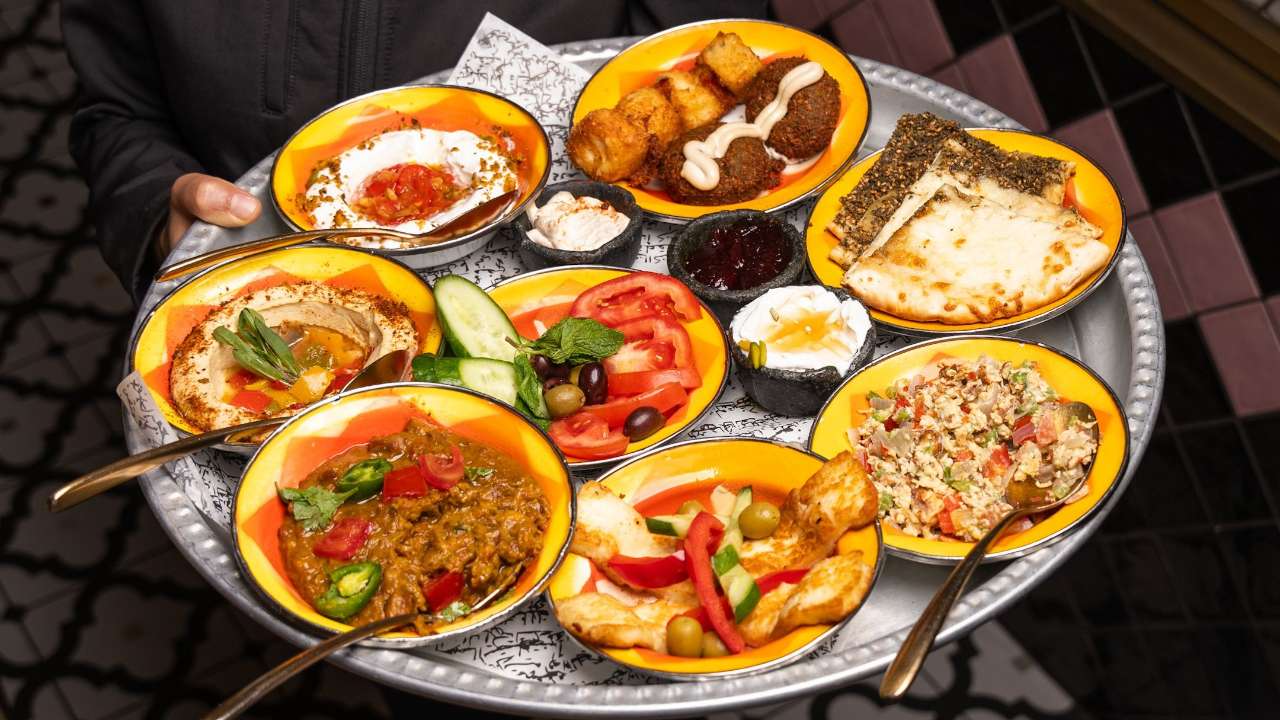
Moving here doesn't mean giving up the food you love. In fact, many newcomers are surprised by just how international Sweden's food scene has become.
Whether you're craving Lebanese shawarma, Vietnamese pho, Indian curry, Ethiopian injera or Japanese ramen, chances are you'll find it — especially in the larger cities.
The trick is knowing where to look.
The most authentic restaurants aren't always in tourist areas, and the best meals are often found in neighbourhoods with long-established international communities.
Once you know where to go, Sweden becomes a fantastic place to explore both familiar flavours and cuisines you've never tried before.
Sweden's growing international population has transformed its food culture over the past few decades.
Today you'll find restaurants representing cuisines from every continent, particularly in Stockholm, Gothenburg and Malmö.
Larger cities offer:
- hundreds of international restaurants
- authentic family-run eateries
- modern fusion restaurants
- specialty cafés and bakeries
- food trucks and street food
Smaller towns usually have fewer options, but many still have a handful of excellent international restaurants.
middle eastern (reliably excellent)
One of the strongest categories in Sweden.
You’ll easily find:
- shawarma
- falafel
- kebabs
- mezze plates
Why it stands out:
- Long-established communities
- Strong flavour consistency
- Often great value for money
asian cuisine (common, but mixed quality)
Includes:
- Thai (very widespread)
- Chinese
- Japanese (sushi everywhere)
- Vietnamese
reality check
- Thai food is often adapted to Swedish taste preferences (milder, slightly sweeter)
- Sushi is extremely common, even in small towns, but quality ranges from excellent to very basic
- The best meals are usually found in small, independent restaurants rather than chains
italian, european and american favourites
Pizza is one of Sweden's favourite takeaway foods.
Alongside traditional Italian restaurants, Sweden has developed its own unique pizza culture — including famous creations like kebab pizza.
You'll also find:
- burger restaurants
- barbecue
- steakhouses
- French cafés
- bakeries
- Mediterranean restaurants
indian and south asian food
Indian restaurants are common throughout Sweden's larger cities.
Expect:
- curries
- tandoori dishes
- biryani
- dosa (at specialist restaurants)
- Pakistani and Bangladeshi cuisine in some areas
Authenticity ranges from traditional family recipes to dishes adapted for local preferences.
african and latin american cuisine
These cuisines are less common but continue to grow.
In larger cities you'll find restaurants serving food from countries including:
- Ethiopia
- Eritrea
- Nigeria
- Ghana
- Colombia
- Mexico
- Peru
Many are hidden gems located outside the main shopping districts.
The best restaurants are often found where international communities live and work.
Neighbourhoods worth exploring include:
gothenburg
- Gamlestaden
- Angered
- Bergsjön
- Biskopsgården
- Majorna
stockholm
- Kista
- Rinkeby
- Södermalm
- Kungsholmen
malmö
- Möllevången
- Rosengård
These areas offer a mix of restaurants, cafés, bakeries and specialty food shops from around the world.
Eating out here works a little differently than in many countries.
Some things to expect:
- Lunch specials ("dagens lunch") are much cheaper than dinner
- Many casual restaurants ask you to order at the counter
- Free tap water is usually available
- Tipping isn't expected, but it's common enough
- Restaurants often close earlier than newcomers expect, especially outside city centres
Booking ahead is recommended for popular restaurants, especially on weekends and during special events. For more exclusive restaurants (no matter where they are located in the country), book well in advance, regardless of the day of the week.
Restaurant prices in Sweden are relatively high, but there are plenty of ways to save money.
Good options include:
- dagens lunch
- pizza restaurants
- falafel shops
- food courts
- university cafés
- takeaway meals
Lunch specials often include salad, bread, coffee and drinks, making them one of the best-value meals available.
If you'd rather stay home, Sweden has excellent food delivery services.
The biggest platforms are:
- Foodora
- Wolt
- Uber Eats (available in some cities)
Coverage is best in larger cities, where you'll find everything from sushi and burgers to Ethiopian and Indian cuisine delivered to your door.
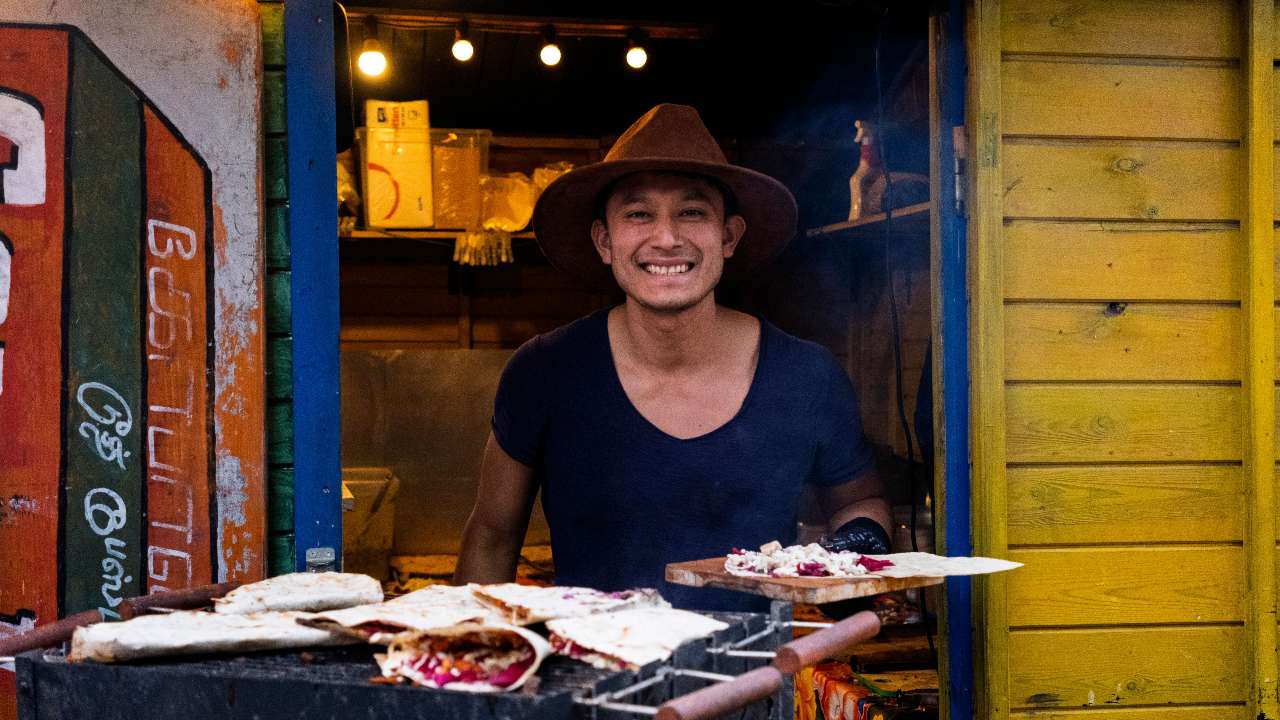
One of the best ways to experience Sweden's multicultural food scene is by exploring its market halls, street food events and cultural festivals.
Unlike restaurants, these places bring together food from dozens of countries in one location, making it easy to sample new cuisines, discover regional specialties and meet the people behind the food.
market halls (saluhallar)
Sweden has a long tradition of indoor food markets known as saluhallar. While many originally focused on Swedish produce, today's market halls often feature international flavours alongside local favourites.
Some of the country's best-known examples include:
- Östermalms Saluhall (Stockholm)
- Hötorgshallen (Stockholm), known for its international food stalls and delicatessens
- Saluhallen (Gothenburg)
- Malmö Saluhall
Depending on where you visit, you might find Middle Eastern pastries, Italian delicacies, Asian dumplings, Spanish cured meats, fresh pasta, imported cheeses, artisan breads and specialty coffee — all under one roof.
They're excellent places to enjoy lunch while exploring a wide range of cuisines.
street food festivals
During spring and summer, many Swedish cities host recurring street food festivals featuring food trucks and pop-up kitchens from around the world.
One of the best known is the International Food Festival, which tours cities across Sweden each year, bringing vendors from dozens of countries together in central squares. Visitors can sample everything from Greek gyros and Hungarian chimney cakes to Indian curries, Belgian waffles and South American barbecue.
Larger cities also regularly host food truck festivals and seasonal food markets, particularly during the warmer months.
cultural festivals
Many of Sweden's international communities organise annual cultural festivals where traditional food is a major attraction.
Events celebrating cultures from countries such as India, Thailand, Iran, Ethiopia, Turkey and Somalia often feature authentic home cooking alongside music, dance and cultural performances.
These festivals are a fantastic way to experience dishes that rarely appear on restaurant menus.
seasonal markets
Sweden's Christmas markets (julmarknader) increasingly include international food vendors alongside traditional Swedish treats, especially in larger cities.
Throughout the rest of the year, local farmers' markets and neighbourhood festivals may also feature stalls selling fresh herbs, spices, baked goods and specialty products from around the world.
why they're worth visiting
Markets and festivals offer more than just great food.
They give you the chance to:
- try authentic dishes from many countries in one visit
- discover small family-run businesses and local food producers
- experience music, art and cultural traditions alongside the food
- find specialty products and homemade treats that aren't sold in supermarkets
- meet people from Sweden's diverse international communities
For internationals, these events become one of the easiest — and most enjoyable — ways to explore Sweden's multicultural food culture while discovering flavours that remind them of home.
If eating out isn't enough and you'd rather cook your favourite meals yourself, Sweden has an excellent network of international grocery stores.
Large cities have specialist supermarkets selling ingredients from Asia, Africa, the Middle East, Europe and Latin America, while smaller towns usually have at least one international grocery shop.
For a complete city-by-city guide, see our article on international grocery shopping.
- International restaurants are much more common in larger cities than in smaller towns
- Authenticity varies—reading recent reviews is worthwhile
- Lunch is often significantly cheaper than dinner
- Many restaurants offer vegetarian, vegan and halal options
- Opening hours may be shorter than you're used to, especially on Sundays
- Explore neighbourhoods with diverse communities rather than staying in tourist areas
- Try lunch specials before committing to an expensive dinner
- Ask colleagues or neighbours for recommendations—locals often know the hidden gems
- Don't be afraid to try Swedish versions of international dishes—you may discover a new favourite
- Use food delivery apps to explore restaurants before visiting them in person
↗︎ Find restaurants
↗︎ Food reviews & ratings
↗︎ Discover flavours that unite Ghana with the Nordics
↗︎ Swedish Foodora
↗︎ Wolt
↗︎ Uber Eats
can I find food from my country?
In most cases, yes—especially if you live in one of Sweden's larger cities.
which cities have the best international food?
Stockholm, Gothenburg and Malmö offer the widest variety and the most authentic restaurants.
is eating out expensive?
Compared with many countries, yes. Lunch specials are usually the best value.
do restaurants cater for dietary requirements?
Many restaurants offer vegetarian, vegan, gluten-free and halal options.
where can I buy ingredients to cook at home?
See our dedicated guide to international grocery shops in Sweden, which covers specialist supermarkets across the country.