

Sweden is secretly a global music powerhouse. Pop, electronic, indie and hip-hop thrive here. Live music exists — you just need to know where to look. Summer festivals go big, underground scenes run year-round, and such is the beauty of music, you don’t need Swedish to be part of any of it.
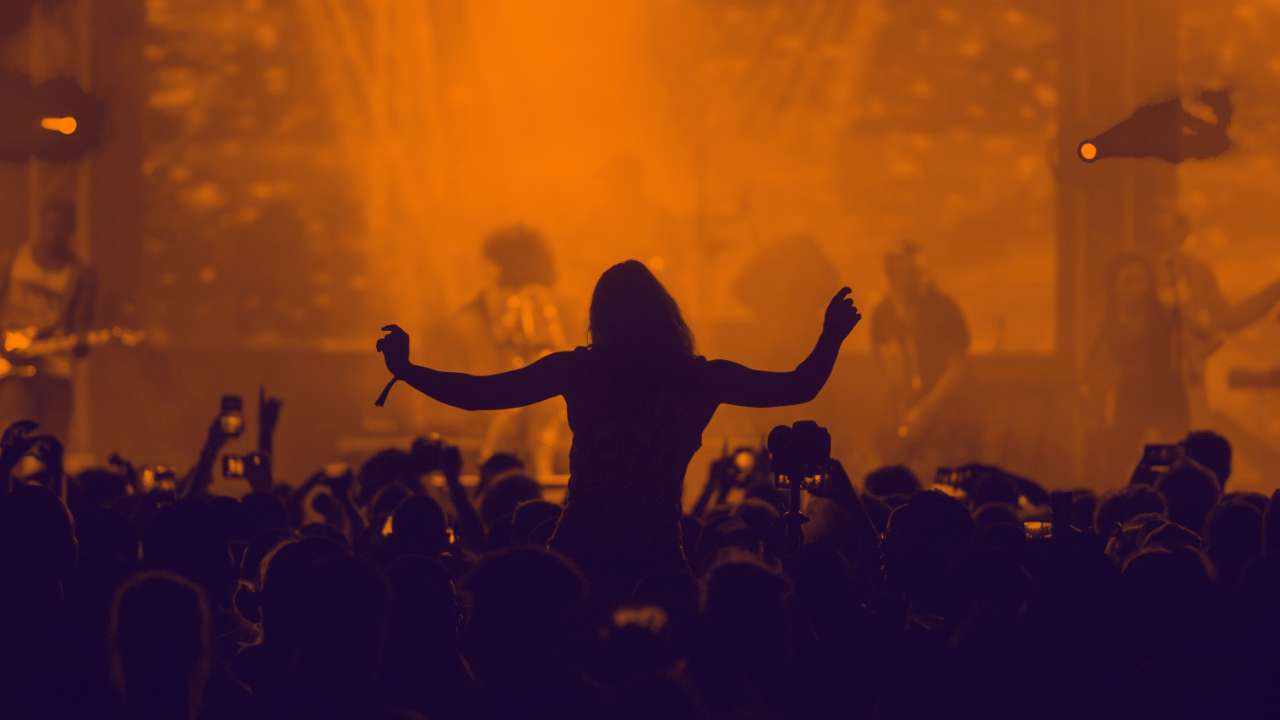
You might arrive expecting quiet streets, calm people, and early nights… and then discover that this nation of sensible shoes and queues has somehow become one of the world’s biggest music exporters. Max Martin, anybody?
How is a country this reserved responsible for so many global hits?
It’s one of Sweden’s great mysteries. Another is why, despite producing some of the best songwriters on Earth, it still subjects itself every year to the glitter-coated fever dream that is Melodifestivalen and Eurovision. Ouch!
Beyond the sequins and key changes, though, Sweden’s music scene runs deep. From intimate indie venues and underground clubs to major festivals and world-class artists, there's definitely something here for you.
Well, perhaps not so much 'unexpected', but for such a small population, Sweden punches wildly above its weight in music. Global pop hits. World-famous producers. International collaborations.
You’ve probably loved Swedish-produced music without even knowing it.
max martin
Heard of him? He is one of the most successful songwriters and producers in modern pop history. We’re talking decades of global chart-toppers and an absolutely ridiculous number of hits.
He’s worked with artists like Britney Spears, Taylor Swift, The Weeknd, Katy Perry and Backstreet Boys — basically shaping what pop music has sounded like since the late 90s.
His success is a perfect example of Sweden’s music culture in action: strong music education, collaboration, and a deep love for perfect pop melodies.
So yes — when we say Sweden is a music powerhouse, we really mean it.
And one of the reasons for it is because music here is treated as normal and accessible. Many people grow up with:
- music lessons in school
- access to instruments and rehearsal spaces
- a culture that actually supports creative careers
Just remember — especially you little hipsters out there — Spotify was created in Sweden, so music culture here is deeply digital too.
Where the music vibe actually lives
Think of this as your cheat sheet to the areas where gigs, DJs, record stores and late-night hangs naturally happen.
stockholm
södermalm
indie/hipster capital
Vintage shops, vinyl bars, tiny venues, art galleries that turn into dance floors at night. If you only explore one area for music culture in Stockholm, make it this one.
hornstull
the edgy corner of söder
Street food markets, waterfront hangouts, DJ bars and a younger nightlife crowd. Summer evenings here feel like a festival preview.
slakthusområdet
stockholm’s warehouse party zone
Old industrial buildings turned into clubs and event spaces. If there’s a big techno night or underground rave, there’s a good chance it’s happening here.
gothenburg
andra långgtan
classic alternative nightlife street vibes
Bars, indie gigs, cheap beer, and the place where everyone eventually ends up.
majorna
heart of indie gothenburg
Musicians live here, bands form here, rehearsal spaces hide in basements.
fun fact: Håkan Hellström grew up in Majorna. His music is full of Gothenburg references, and for many Swedes he’s basically the emotional soundtrack of the city (Valter Nilsson would like to have a word as he wanders through Högsbo Riviera).
ringön
industrial area turned creative playground
Warehouse parties, art studios, pop-up clubs, experimental electronic nights. If you hear “secret party”, think Ringön.
malmö
möllevången
the cultural heart of malmö
Indie venues, record stores, bars with live music, street art everywhere. Diverse, creative, and always buzzing.
folkets park
live music, festivals and outdoor events
In summer this place becomes a social hub full of concerts and community vibes.
norra grängesbergsgatan
DIY culture central
Studios, creative collectives, underground gigs and alternative club nights.
resident advisor for club culture
If you love techno or house, Resident Advisor is gold for finding DJ sets and club nights.
word-of-mouth magic
Once you attend a few gigs, invites spread fast.
The scene opens through people.

Across Sweden, summer follows a pretty consistent rhythm:
- June: everything starts waking up
- July: peak outdoor social energy, smaller festivals everywhere
- August: big headline festivals (like Way Out West)
- September: slow wind-down back into indoor life
And because daylight lasts so long, nights blur into mornings, and festivals feel like they last way longer than they actually do. It’s pure magic!
gothenburg's famous vibe
way out west: the big one
Let’s start with the heavyweight.
Way Out West in Gothenburg is basically Sweden’s most iconic modern outdoor festival.
It happens every August in Slottsskogen, a huge park right in the city.
what makes it different
- No camping — you stay in the city and walk in
- Strong focus on indie, pop, hip-hop and electronic
- Sustainability-focused (very Swedish energy)
- Films, talks and art programs alongside music
The vibe is less “muddy field chaos” and more stylish people, good food, great music, and crazy sunsets.
It’s the festival where you’ll see someone in a thrifted outfit dancing next to someone who just came from a lecture on climate policy.
stockholm’s summer festival energy
While Gothenburg has Way Out West, Stockholm spreads its festival scene across multiple events.
summerburst
A massive EDM festival that pulls huge international DJs.
Think big stages, light shows, and pure dance energy.
city-based concerts and pop-ups
Stockholm also has tons of smaller recurring events:
- park concerts
- waterfront DJ nights
- pop-up festivals in public spaces
A lot of it feels less like one giant festival and more like the whole city becomes a venue for a few months.
malmö’s cultural summer flow
Down south, Malmö keeps it more relaxed but still very active.
folket's park
This place basically becomes the city’s summer living room:
- free concerts
- food stalls
- DJ nights
- family-friendly events during the day
the underground summer layer (the one not advertised)
Alongside the official festivals, there’s a parallel scene:
- Warehouse parties in Ringön
- Secret DJ nights in Stockholm’s industrial zones like Slakthusområdet
- Pop-up events announced last minute on Instagram
- DIY festivals in forests or abandoned spaces
These aren’t always listed properly anywhere — they circulate through:
- Instagram stories
- Telegram group chats
- friend-of-a-friend invites
- Resident Advisor listings for electronic nights
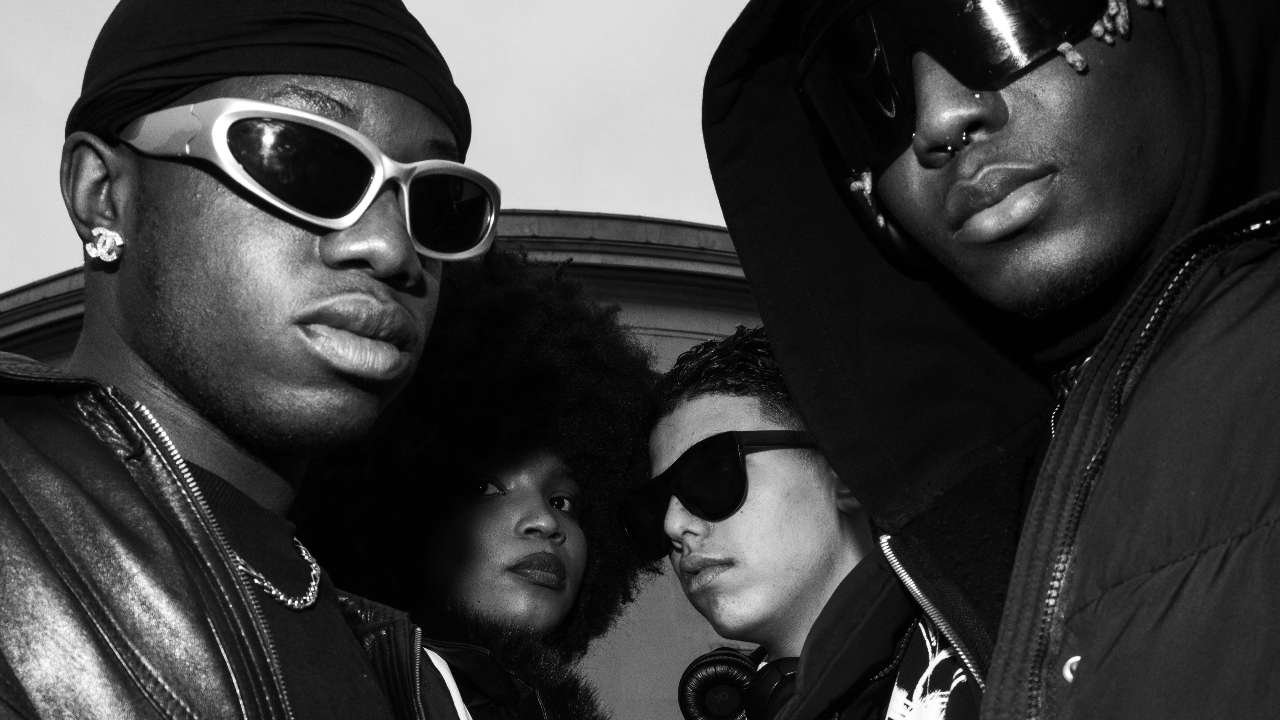
“allting blev komplicerat” (ant wan)
Over the last decade, Swedish hip-hop has gone from niche to massive. It’s now one of the most listened-to genres in the country and a huge part of youth culture.
A lot of Swedish rap blends global hip-hop with local stories, languages, and influences. You’ll hear tracks in both Swedish and English, often mixing them in the same song.
artists who shaped the scene
Some names you’ll hear constantly:
- Yung Lean – The internet-era pioneer who built a global cult following and helped put Swedish rap on the map internationally
- Bladee – Experimental, emotional, and hugely influential in underground and alternative hip-hop
- Z.E – A big voice in Swedish-language rap with strong local storytelling
- Einár – One of the most streamed Swedish artists of his generation
- Ant Wan – Massive streaming numbers and arena-level popularity
These artists helped push Swedish rap from underground to mainstream.
Their music is emotional, melodic, and often atmospheric compared to traditional US rap.
You’ll hear it everywhere:
- at parties
- in student corridors
- in gyms
- on public transport
If you spend time in Sweden, Swedish rap quickly becomes part of your daily soundtrack.
Here’s what many newcomers miss: Sweden has a thriving underground music culture.
Think:
- warehouse parties
- DIY gigs in basements
- art spaces turning into dance floors
- pop-up club nights that disappear after a year
Especially in Stockholm, Gothenburg and Malmö, there’s a whole layer of music culture under the mainstream radar.
This is where you’ll find experimental electronic, indie bands before they blow up, alt hip-hop collectives, and one-night-only DJ parties.
It’s less “big nightlife marketing” and more “my friend knows a DJ who knows a venue.”
And honestly, that’s what makes it alright.
going underground
A lot of events spread through:
- Instagram stories
- word of mouth
- small collective pages
- friends inviting friends
The easiest way in is simply to start showing up: small gigs, DIY events, art spaces, open decks, dance nights and community venues.
In Gothenburg, Stockholm and Malmö, music scenes often overlap with skate culture, art spaces, fashion and nightlife communities.
A lot of Sweden’s underground culture still has a strong DIY spirit: warehouse parties, temporary venues, independent collectives and one-night-only events run more for passion than profit.
You do not need to “look cool” or already know people. Curiosity, consistency and showing up matter more.
- Live music events are often not heavily advertised, so you need to actively look for them
- Nightlife can be expensive, especially in bigger cities
- Age restrictions (18+/20+/23+) can apply depending on venues
- Festivals are seasonal (mostly summer), so plan ahead, have fun, don’t get too drunk, and always remember your rubbers
- Follow local venues and artists on social media to stay updated
- Use apps like Spotify to discover Swedish artists before going out
- Start with smaller venues, they’re easier to enjoy and less intimidating
- Go to a Swedish festival at least once
- Don’t wait for invitations, just go, music spaces are more socially open
↗ Spotify – discover Swedish music
↗ Events & concert info and tickets
↗ Instagram – follow venues & collectives
↗ Facebook Events – find local gigs
↗ Resident Advisor – electronic music & club nights
is sweden good for music lovers?
Absolutely, it’s one of the best, even if it’s not always obvious at first.
is nightlife centered around music?
Yes, music is a huge part of clubs, bars, and social scenes.
are concerts expensive?
They can be, but smaller gigs are often affordable.
what’s the best time for music events?
Summer, for festivals. Year-round for smaller gigs and clubs.